

Avenida Paulista, 52
Bela Vista – São Paulo / SP
Tel.: +55 11 3149-5187
Tuesday to Friday | from 10:00 AM to 6:00 PM
Saturdays, Sundays, and holidays | from 10:00 AM to 7:00 PM
Monday* | CLOSED





WAVE – New Trends in Japanese Graphic Arts
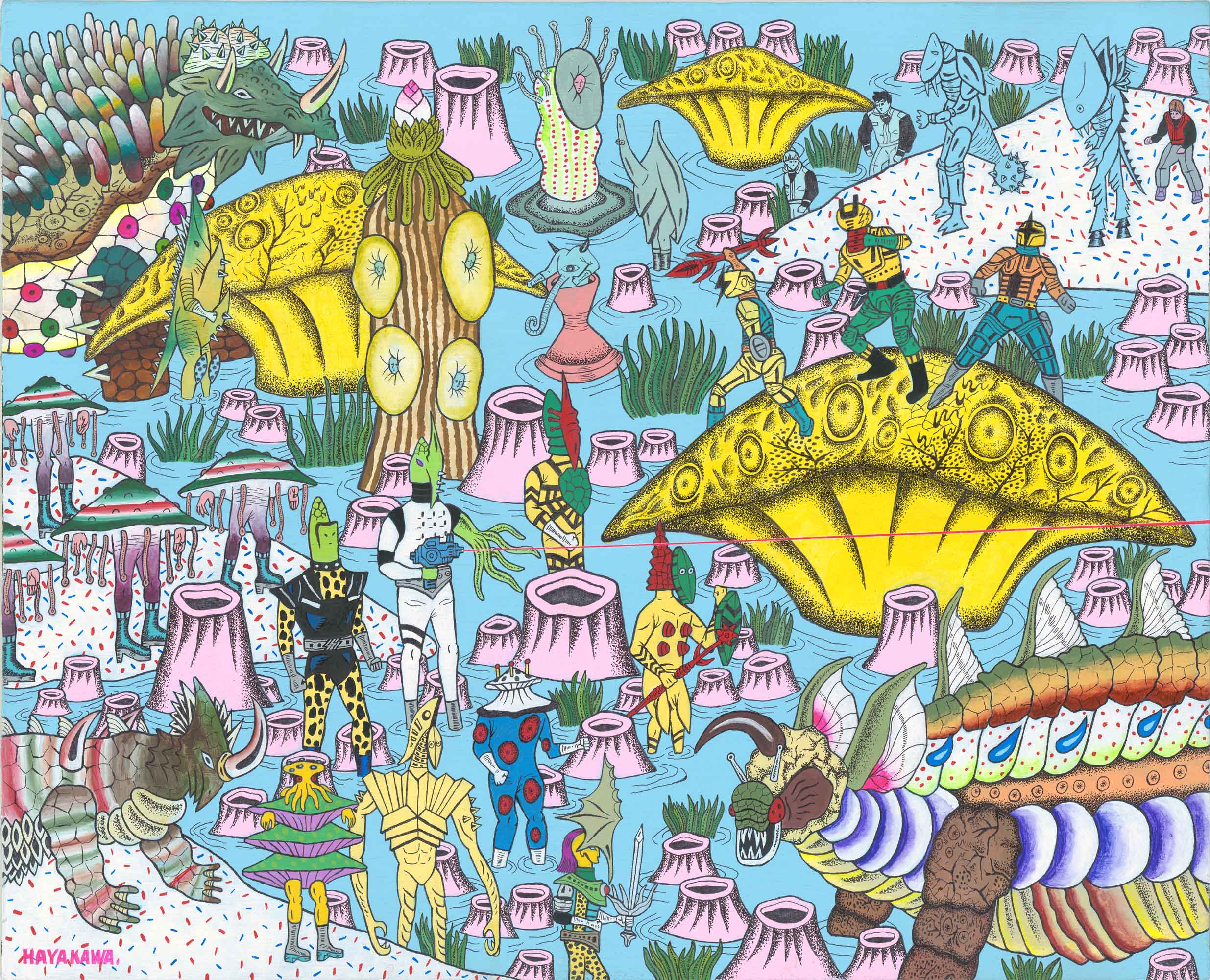
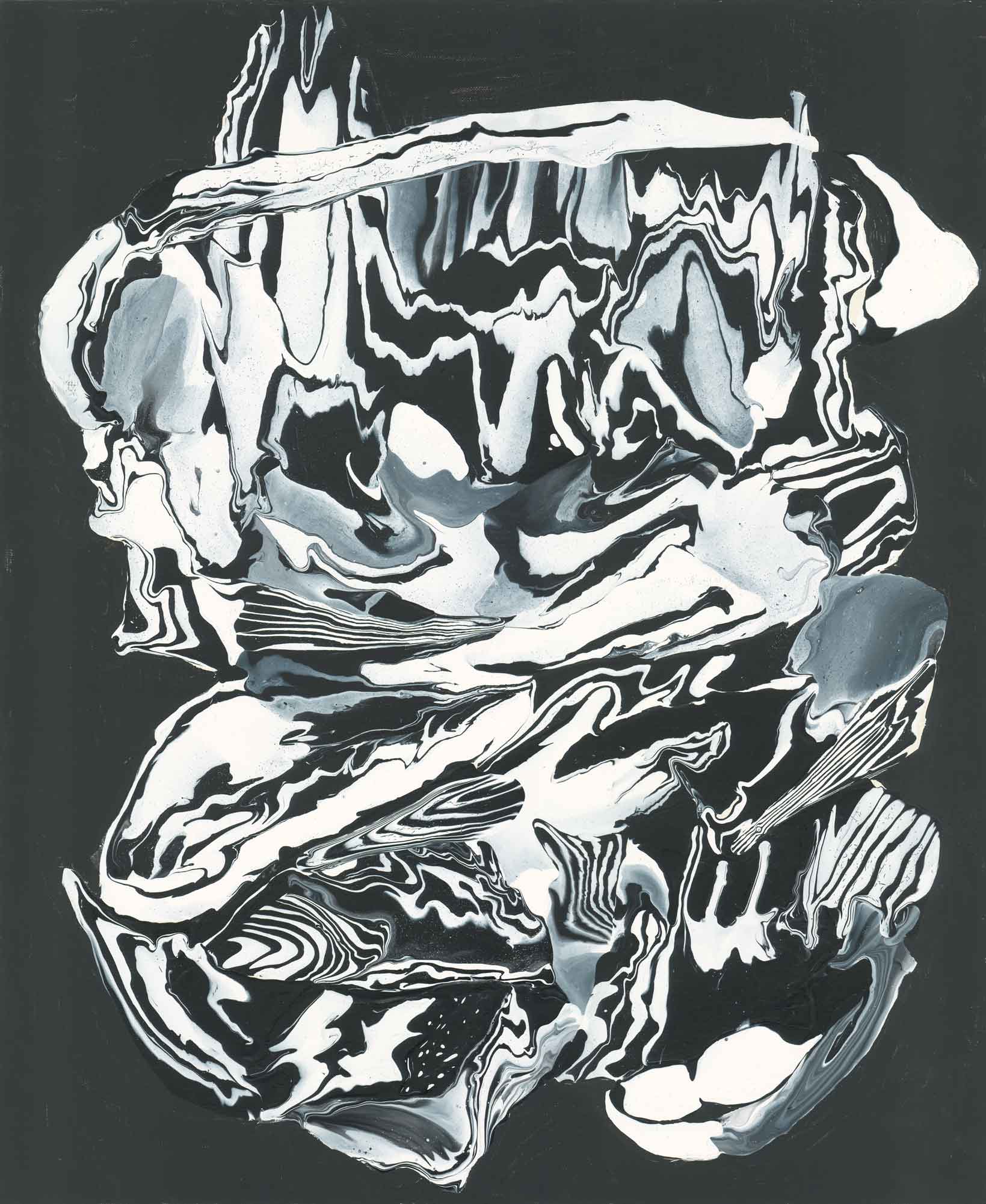
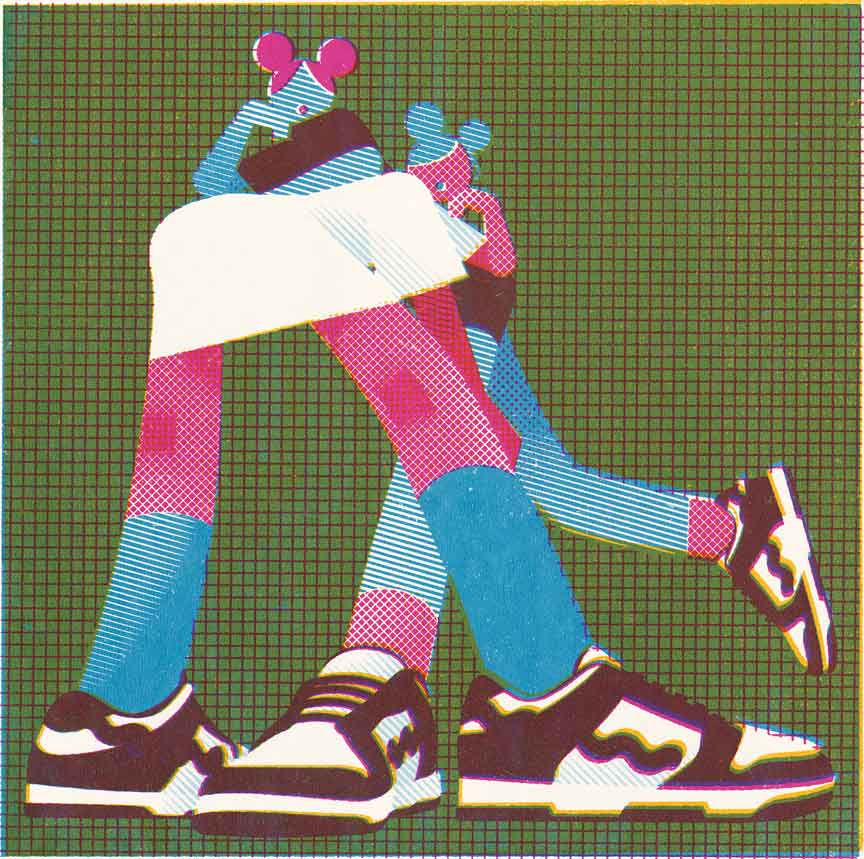
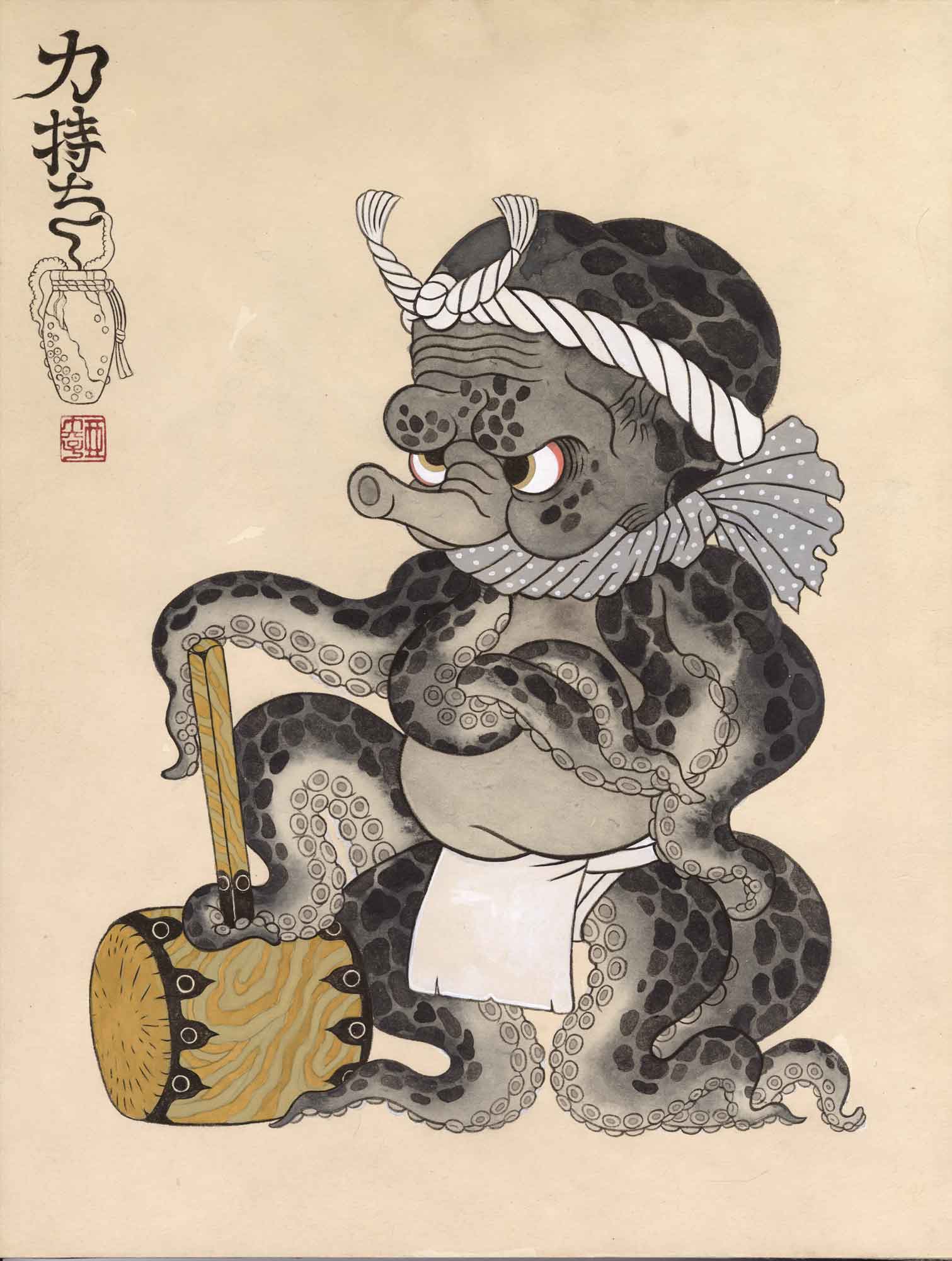
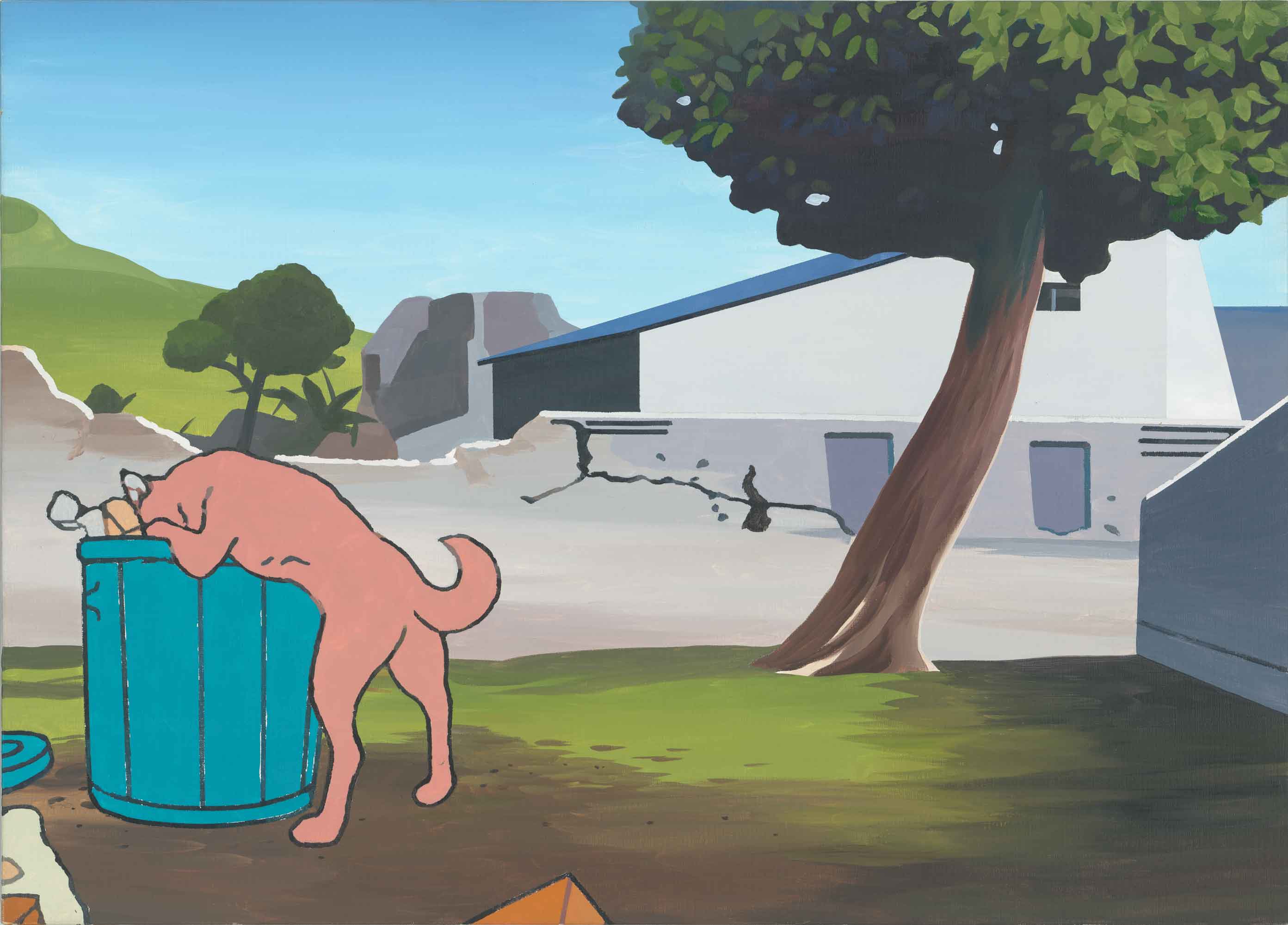
The exhibition presents the panorama of modern Japanese graphic arts and illustrations, bringing together work by pioneering and young artists who are prominent in the current scenario
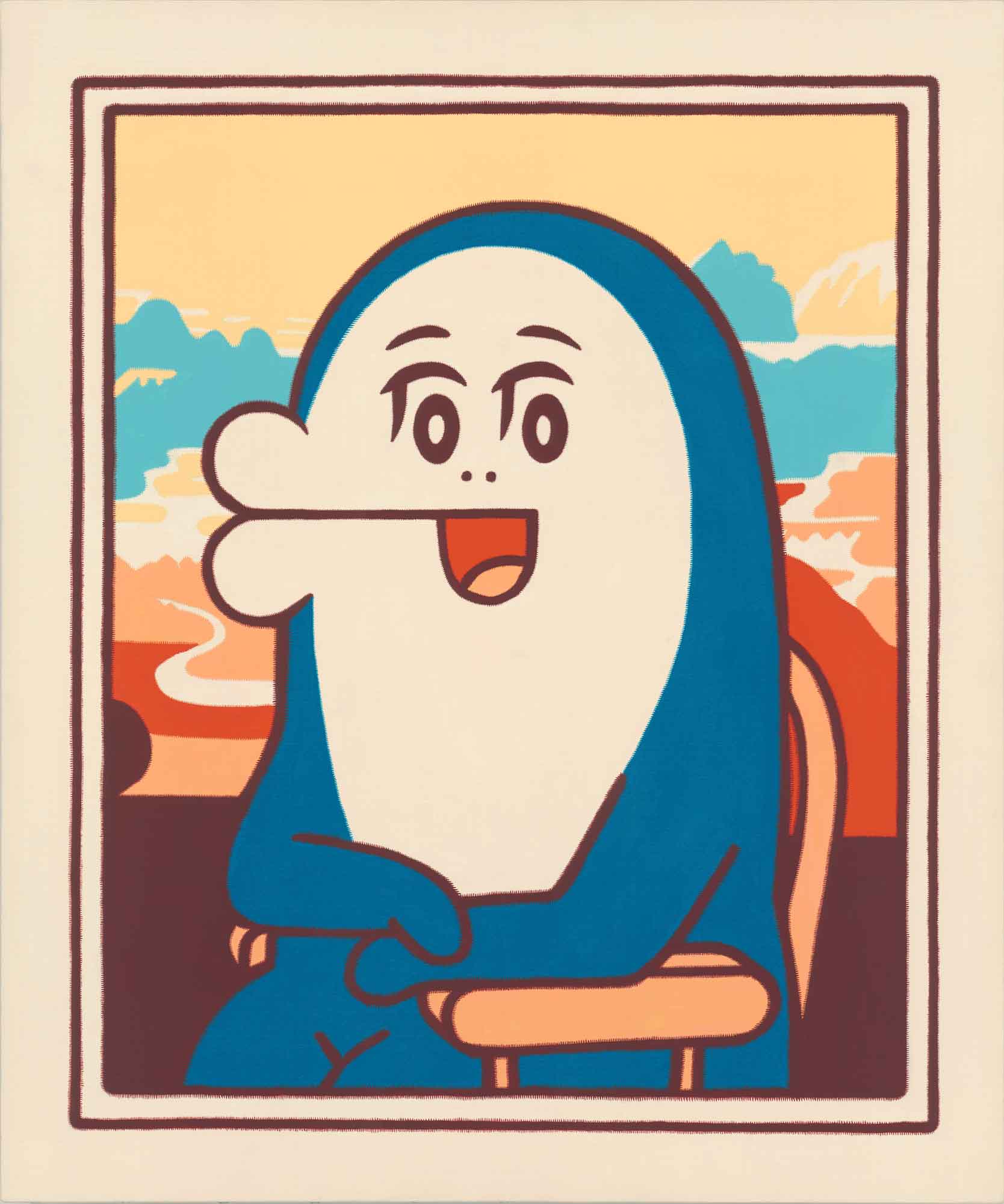
O sorriso do GOLFINHO chamado GOLFINHO
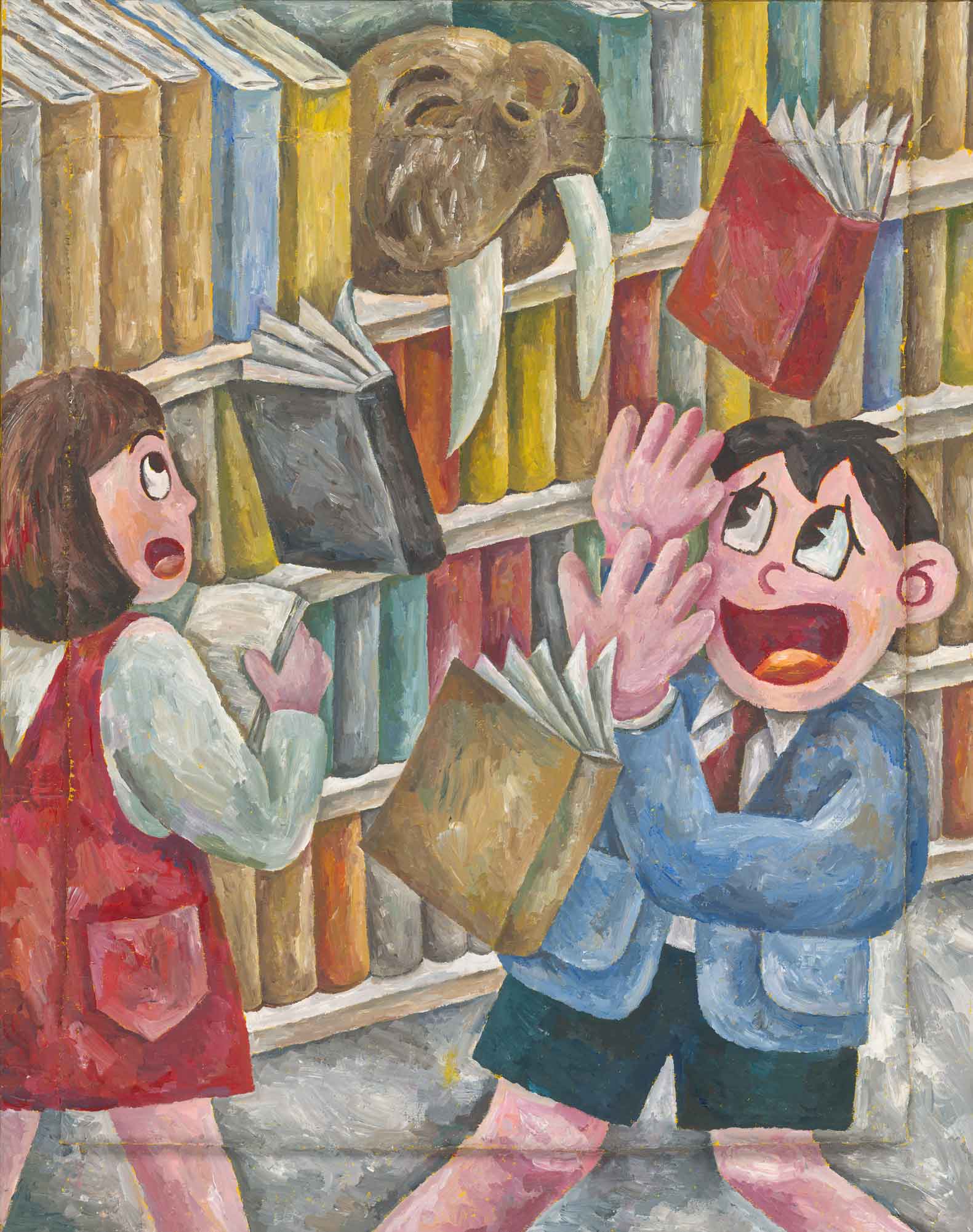
A morsa da estante
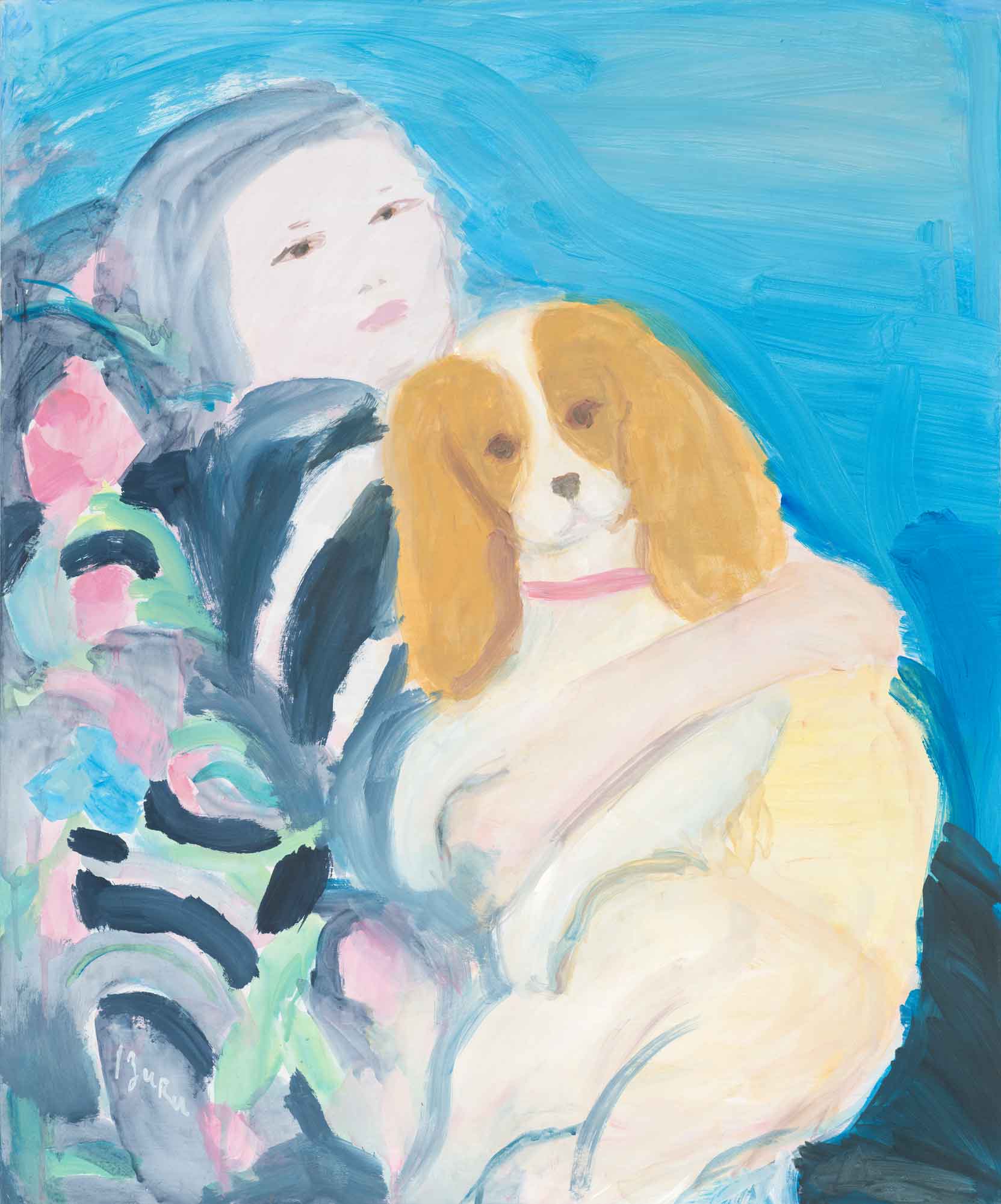
Cavalier
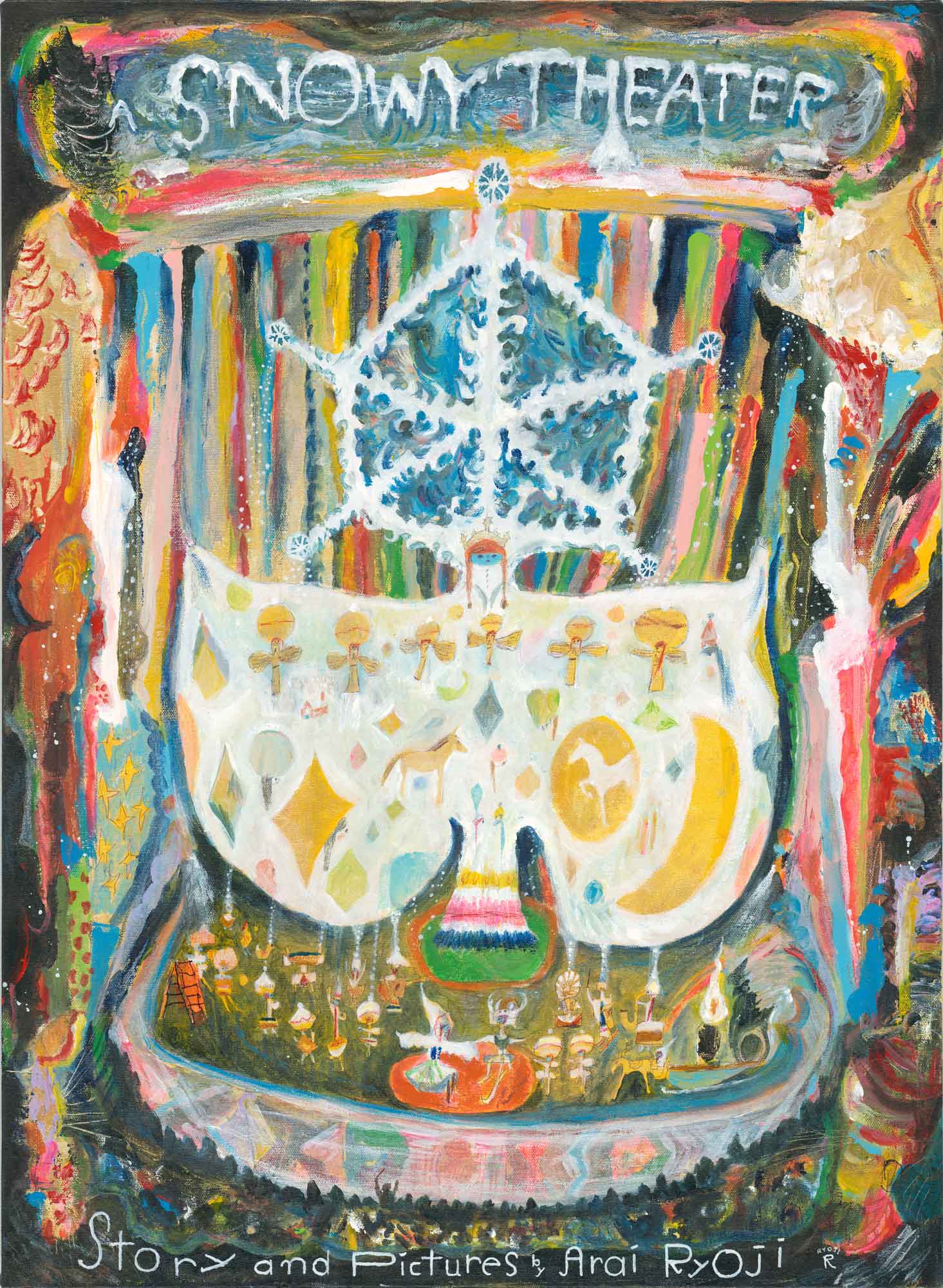
Teatro nevado
Sem título
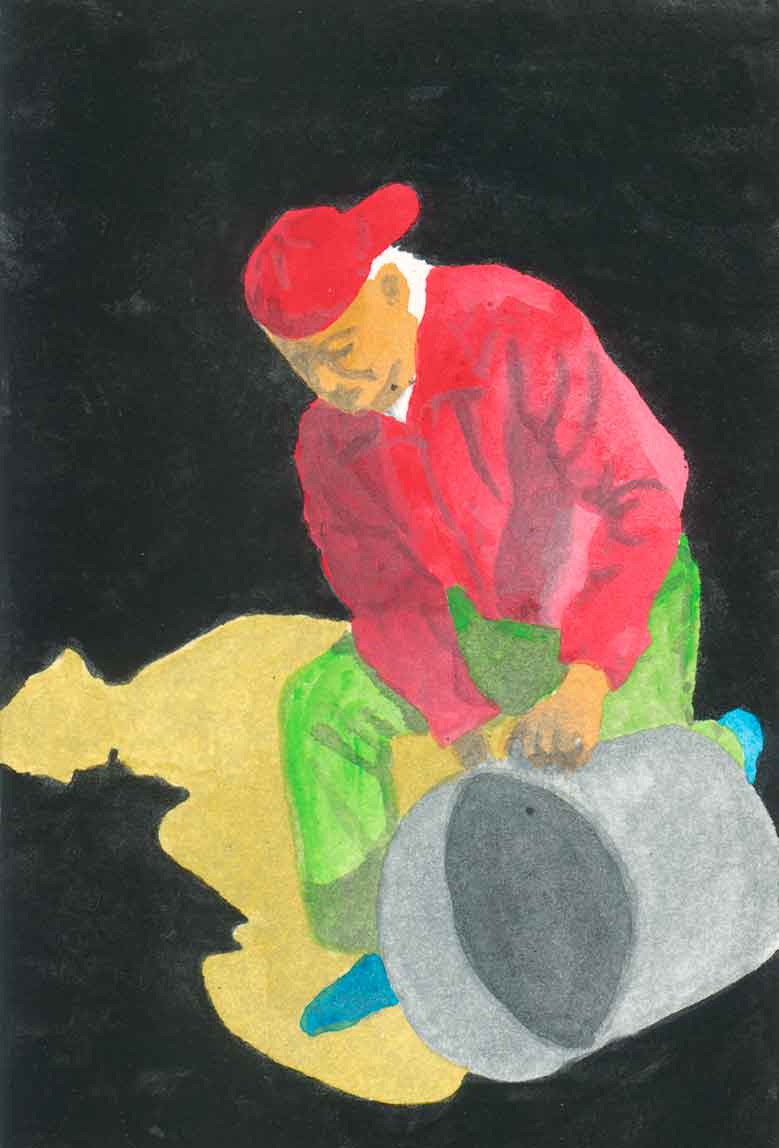
Sem título
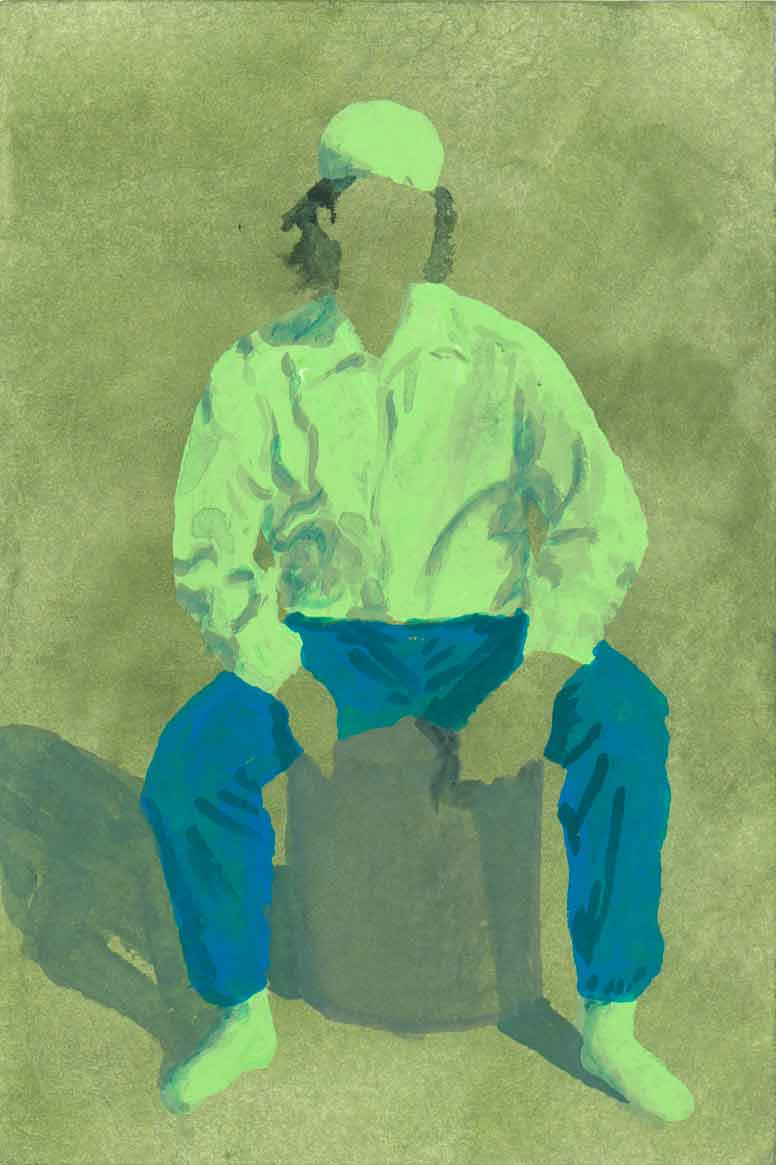
Sem título
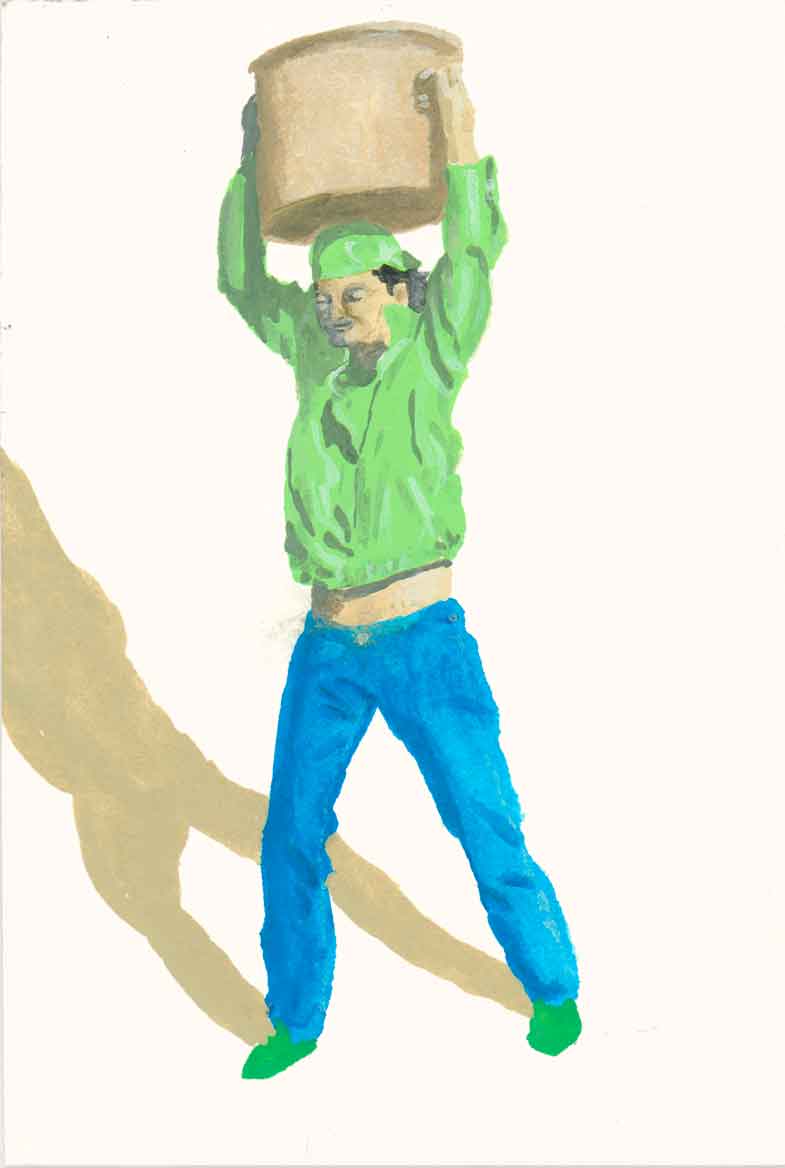
Sem título
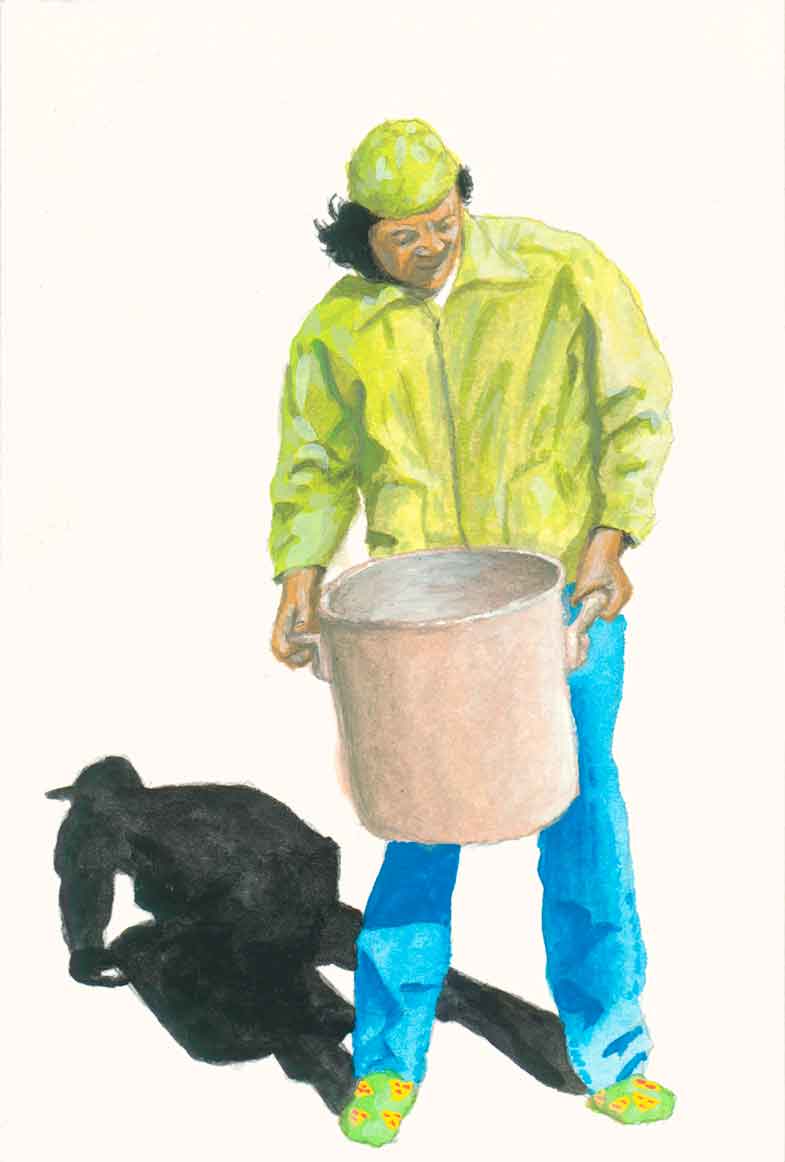
Flores desabrocham em espaços vazios

O sapato de Chen
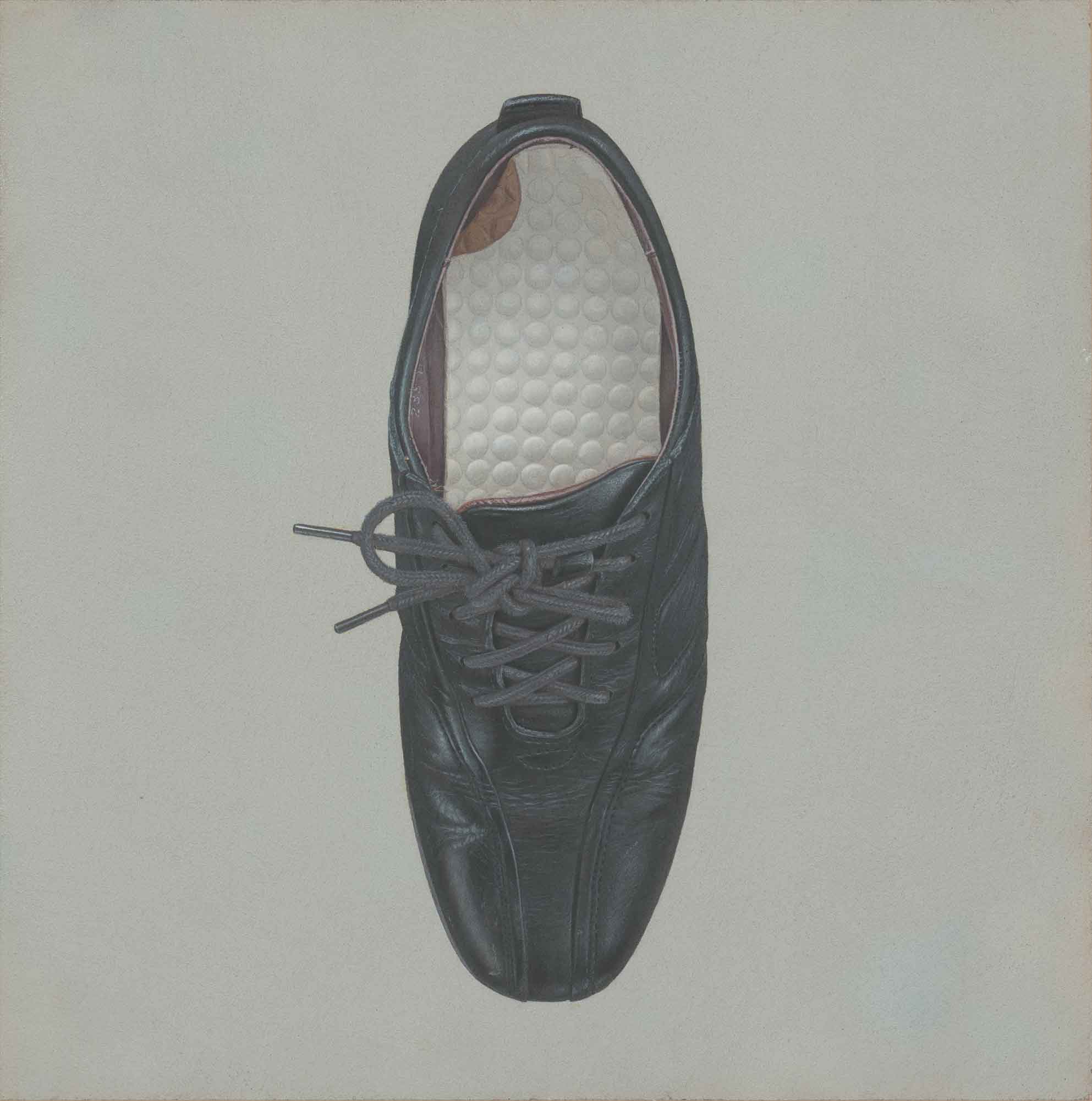
Cão espacial
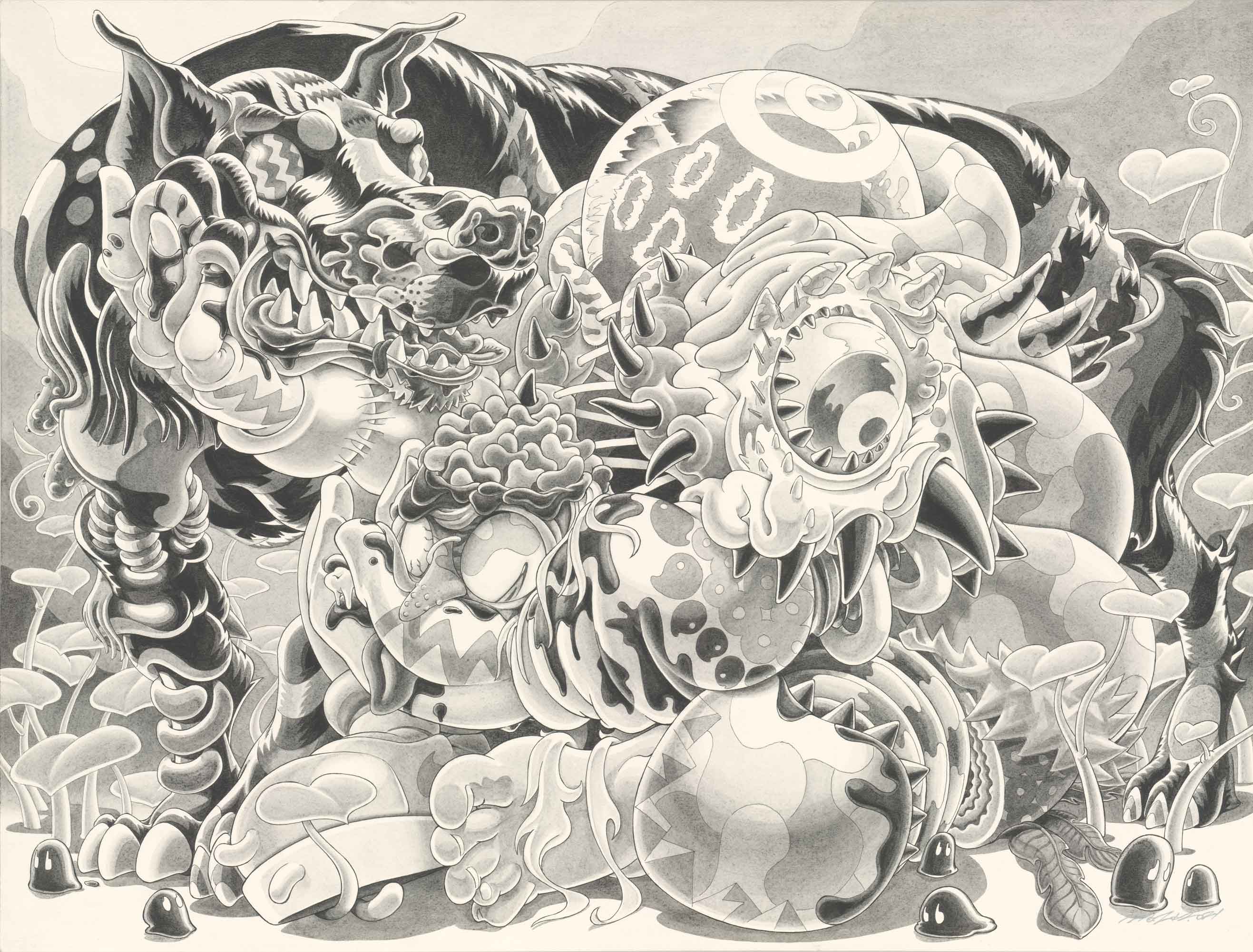
Azul
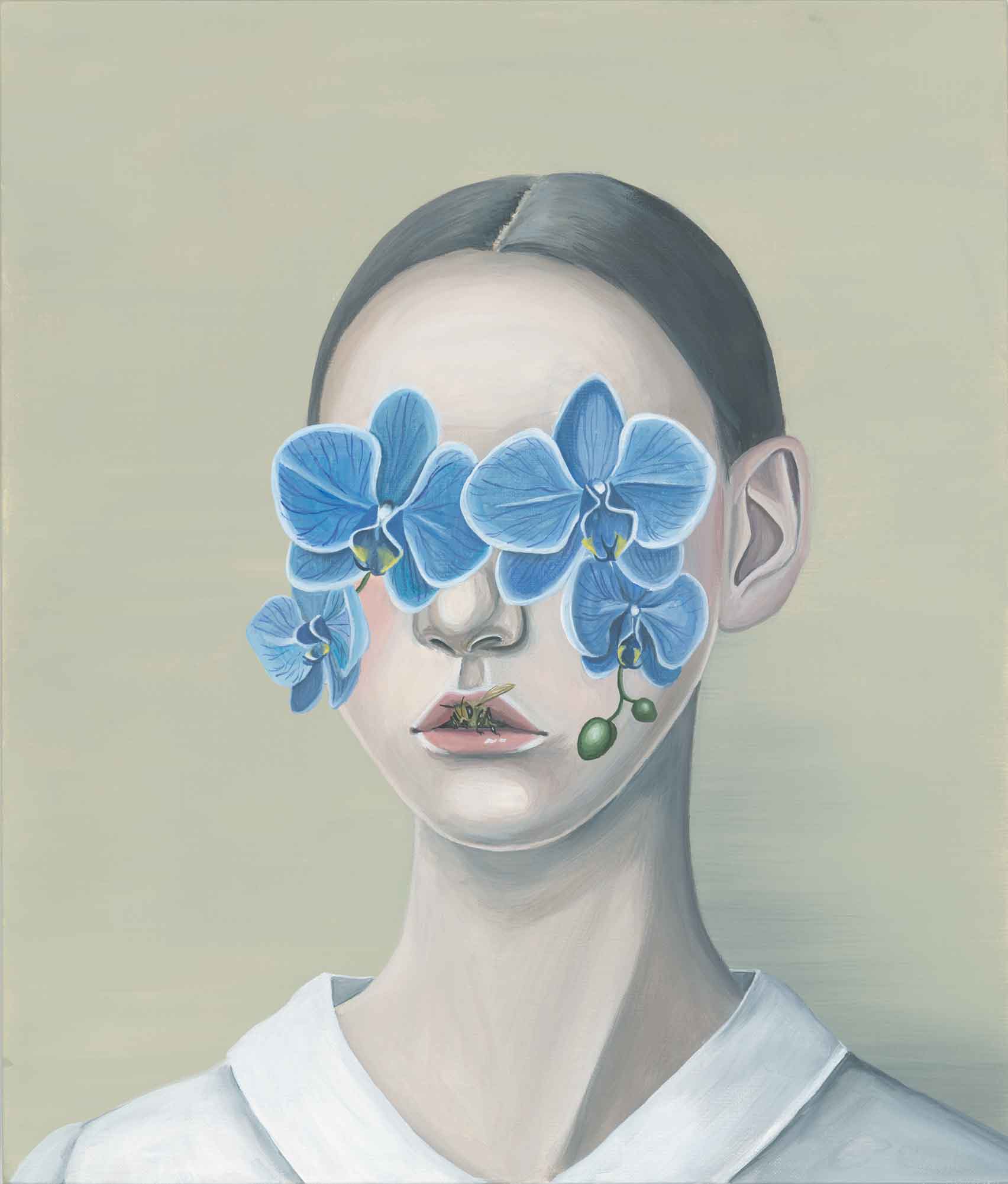
Triste, mas não derrotado
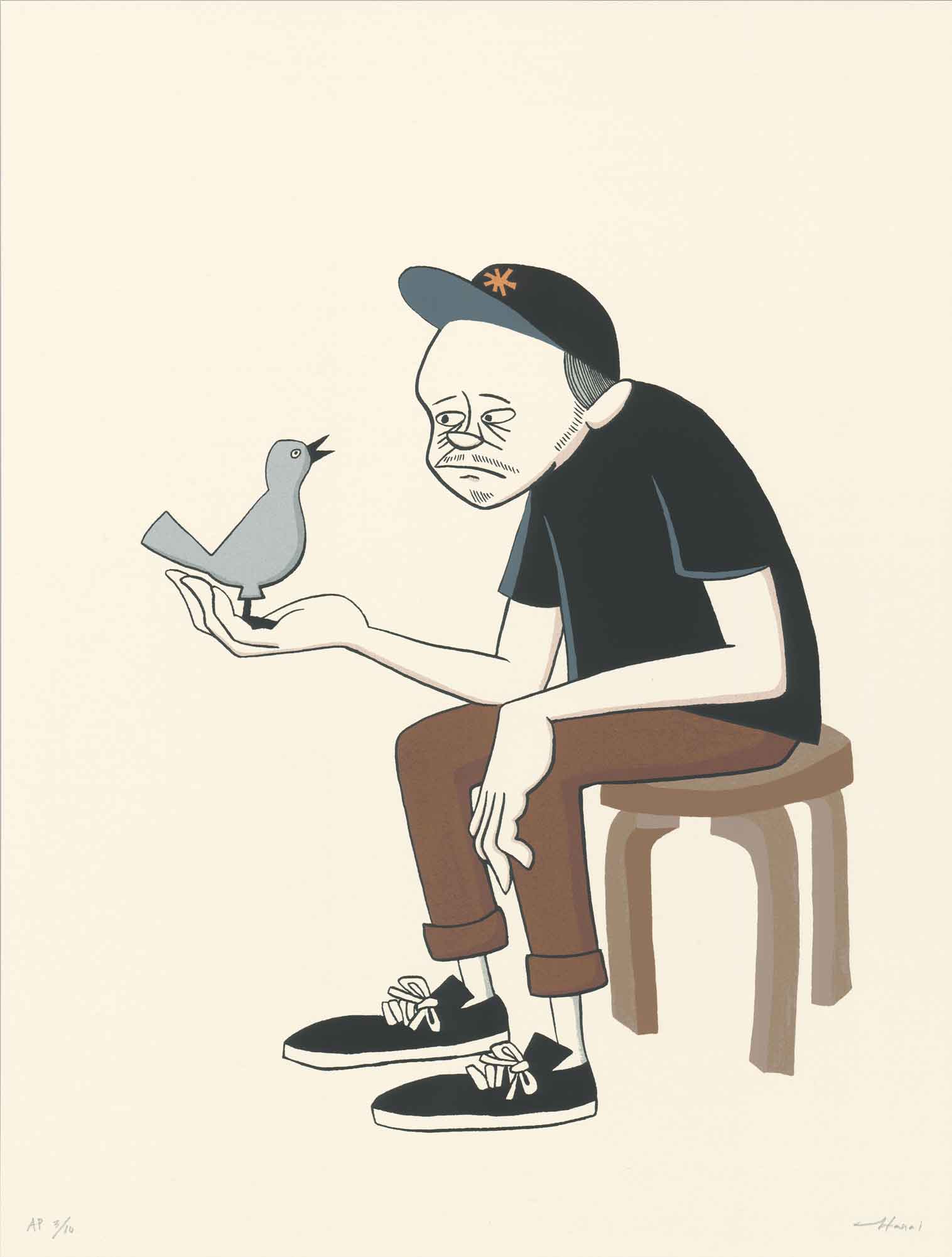
Batalhas do planeta X
Preto e branco
Gêmeos
Poderoso
Cinco tons
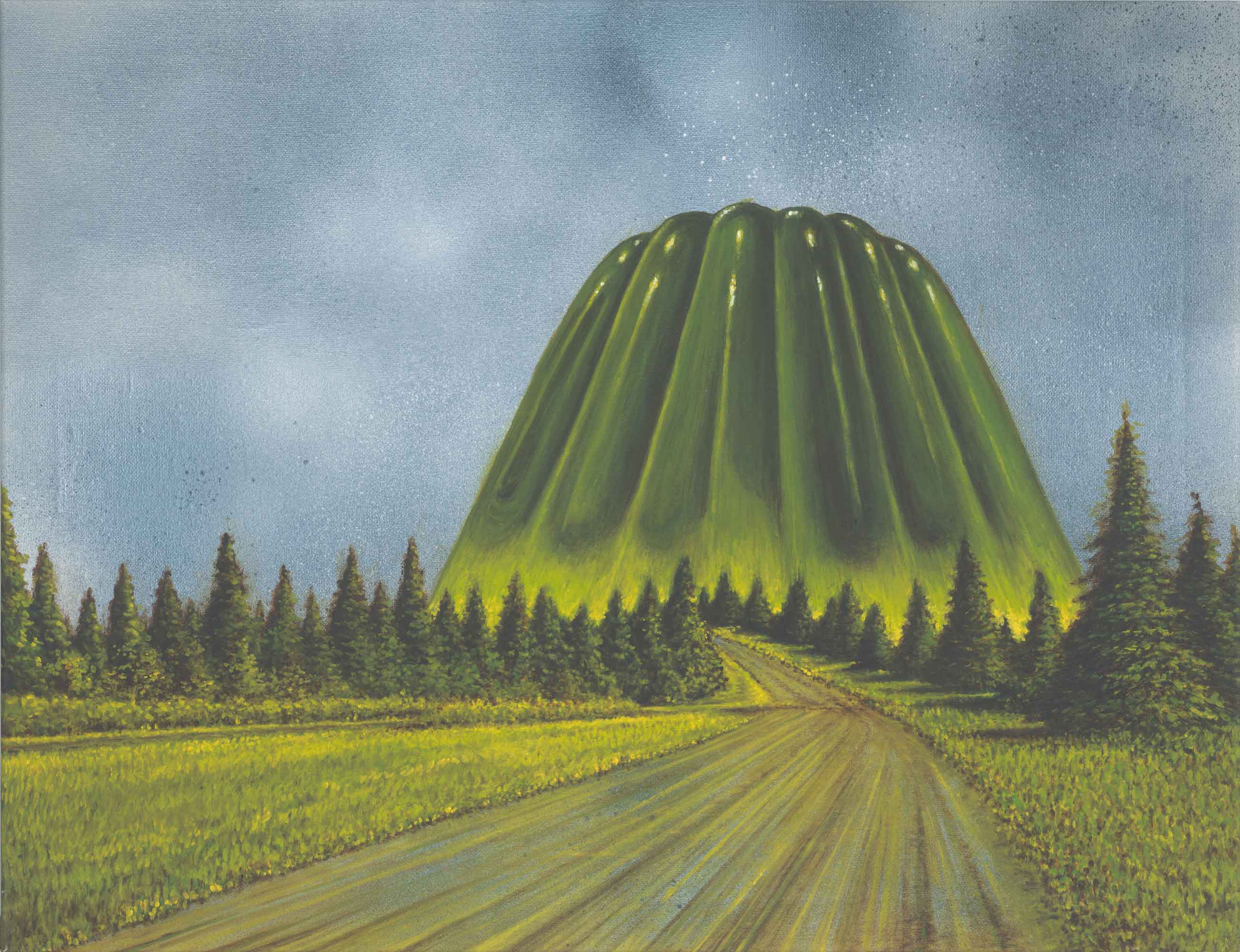
Sharaku
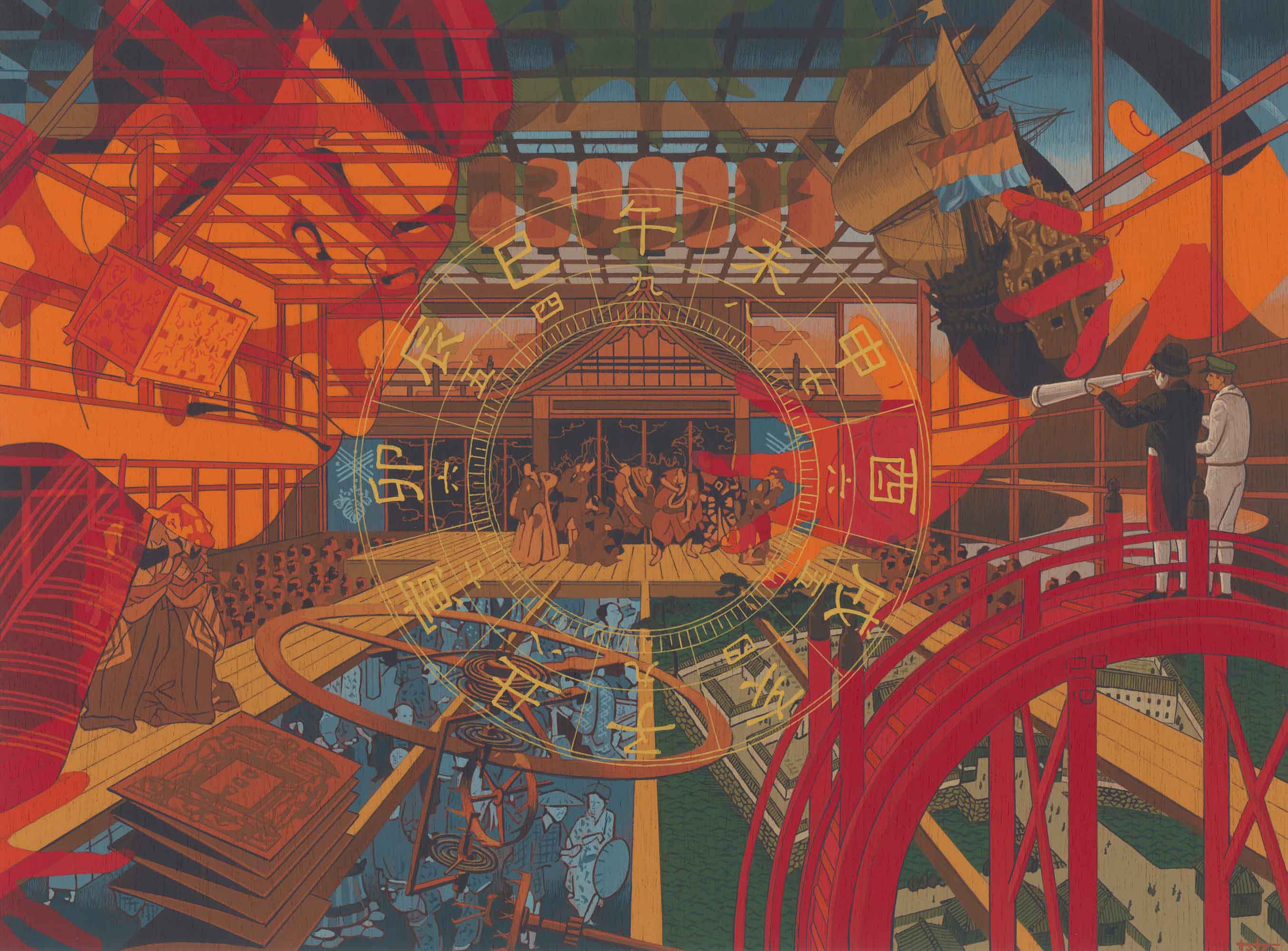
A vida é boa

Sem título
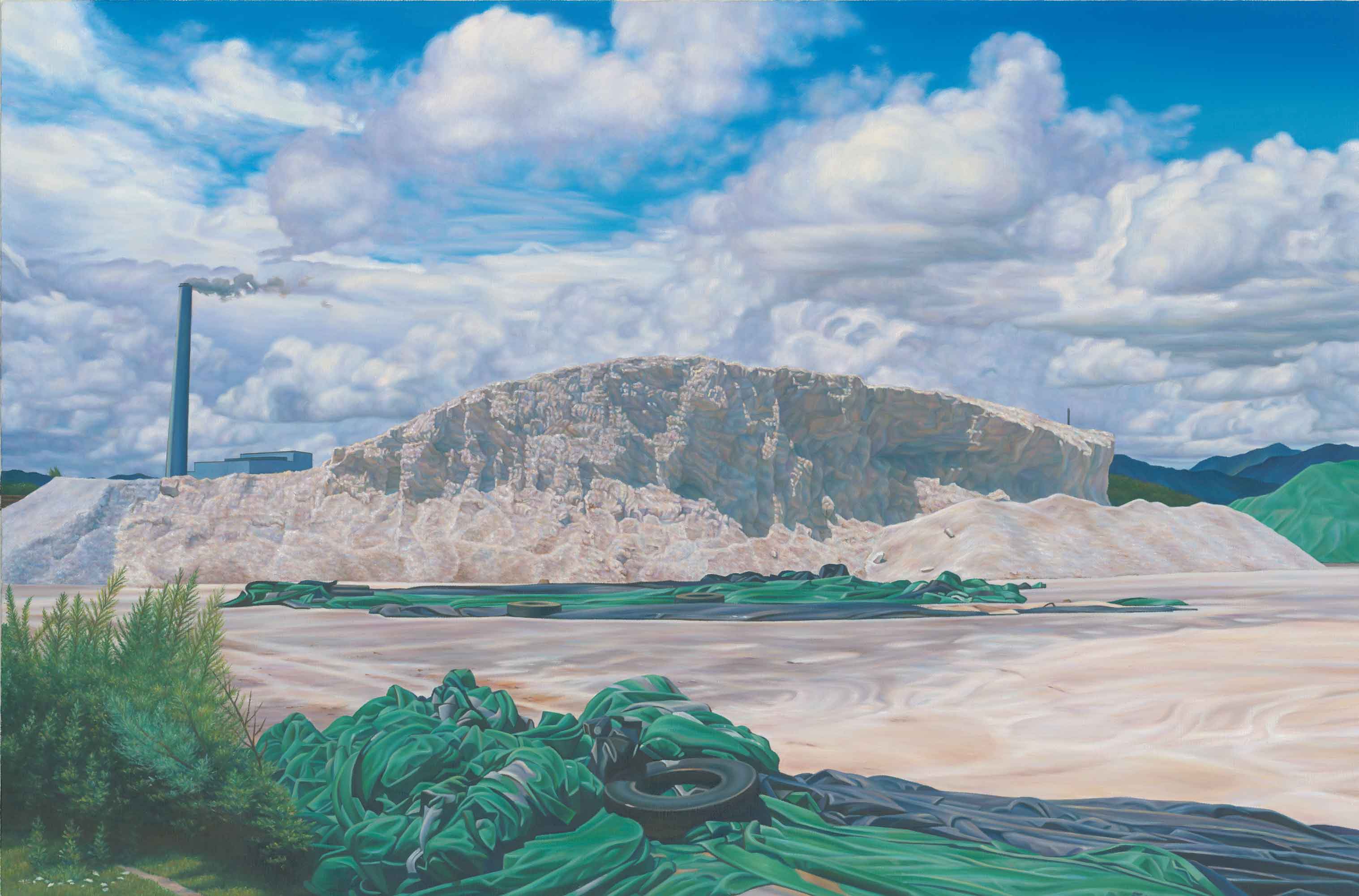
Sem título
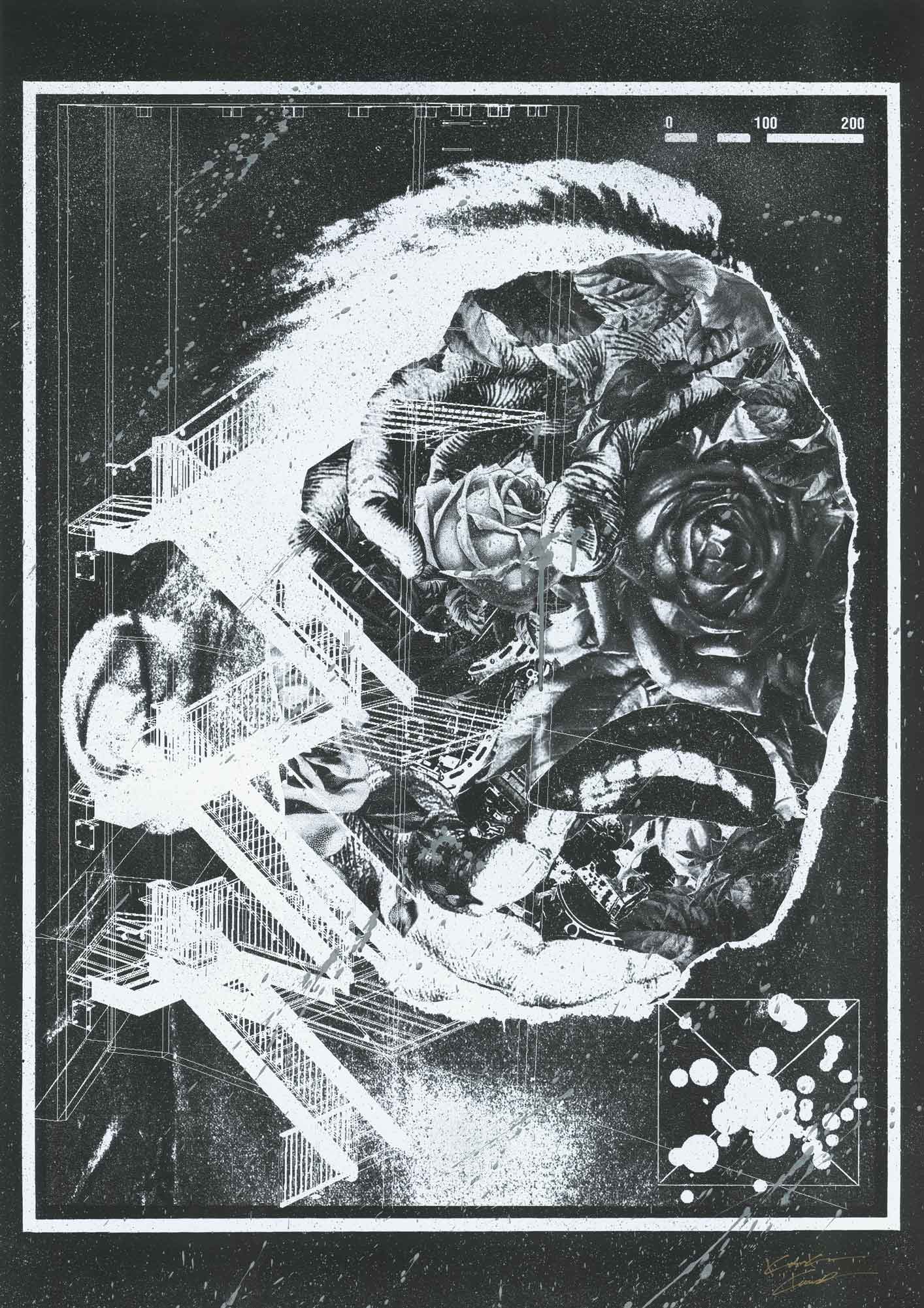
Uma pequena pausa
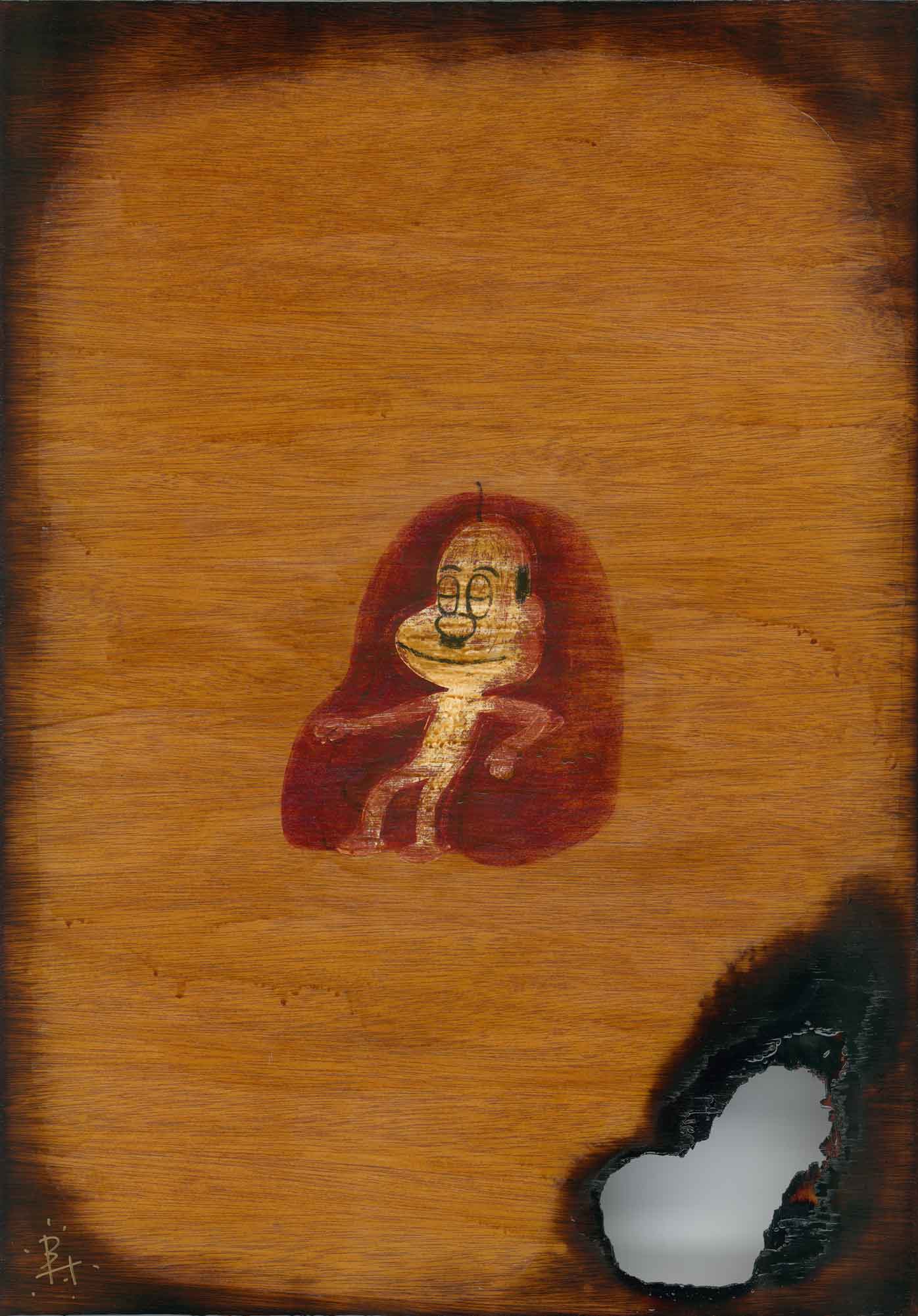
Shinobi
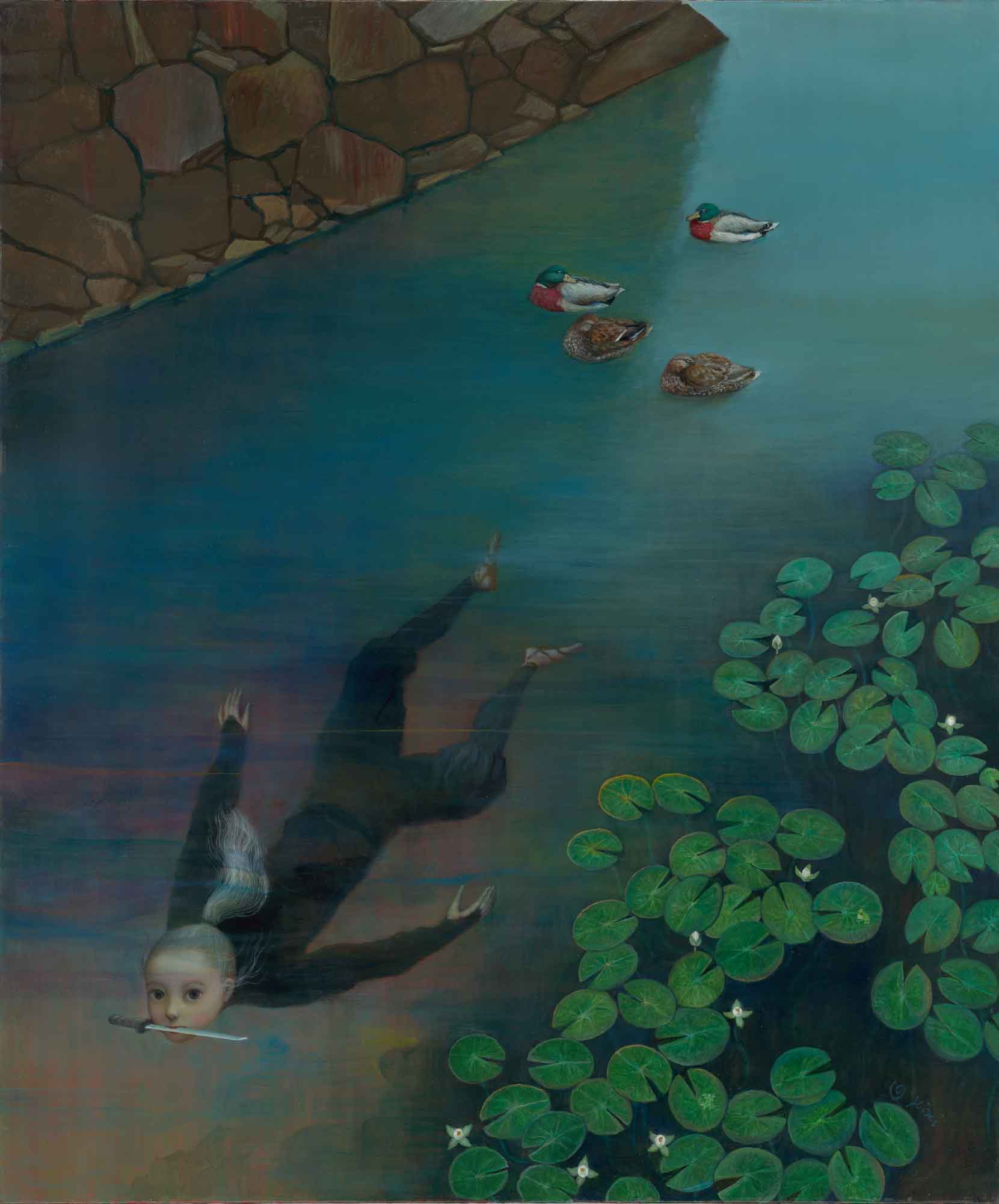
Almoço
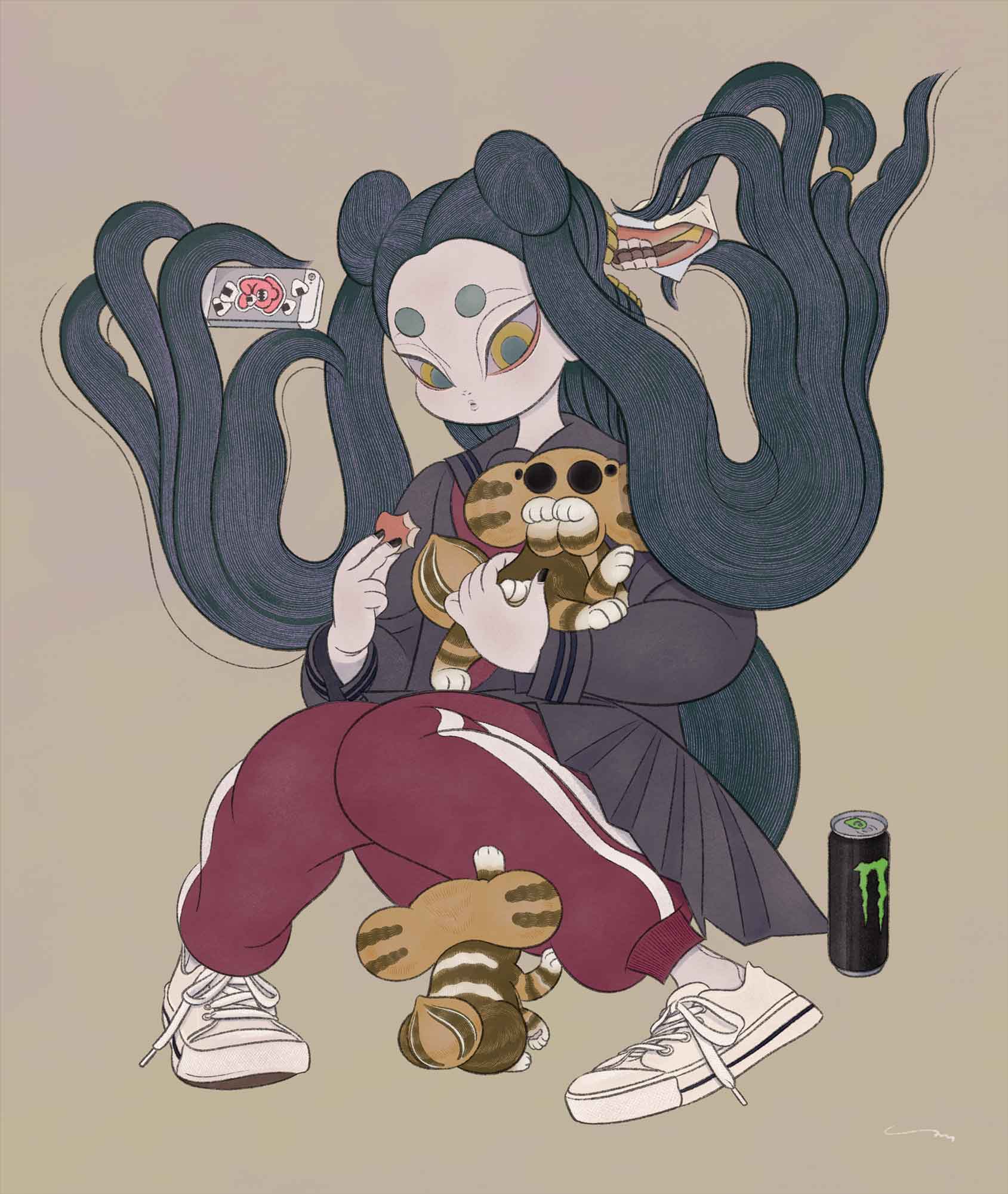
Flor meditativa
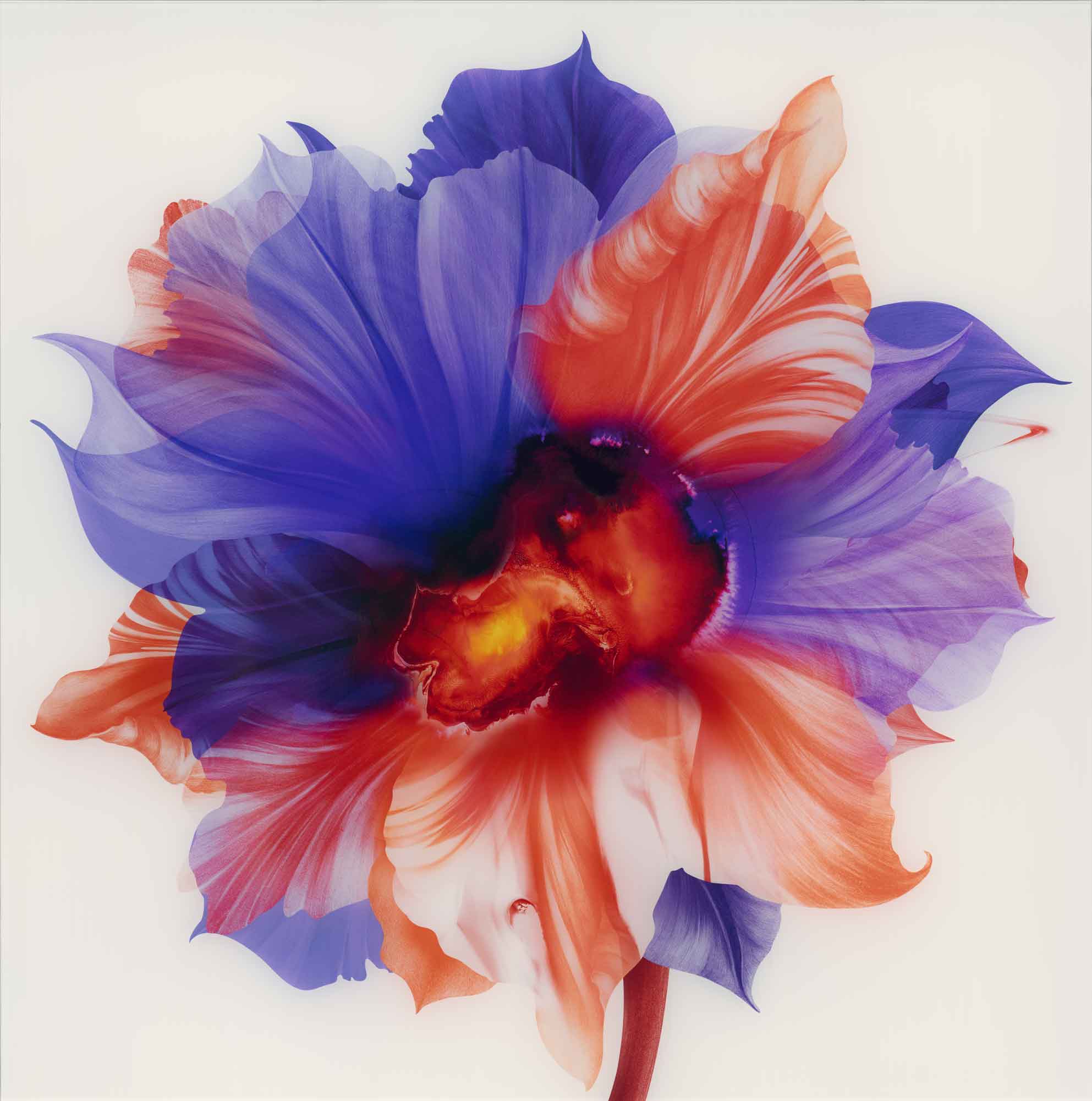
Existência casual
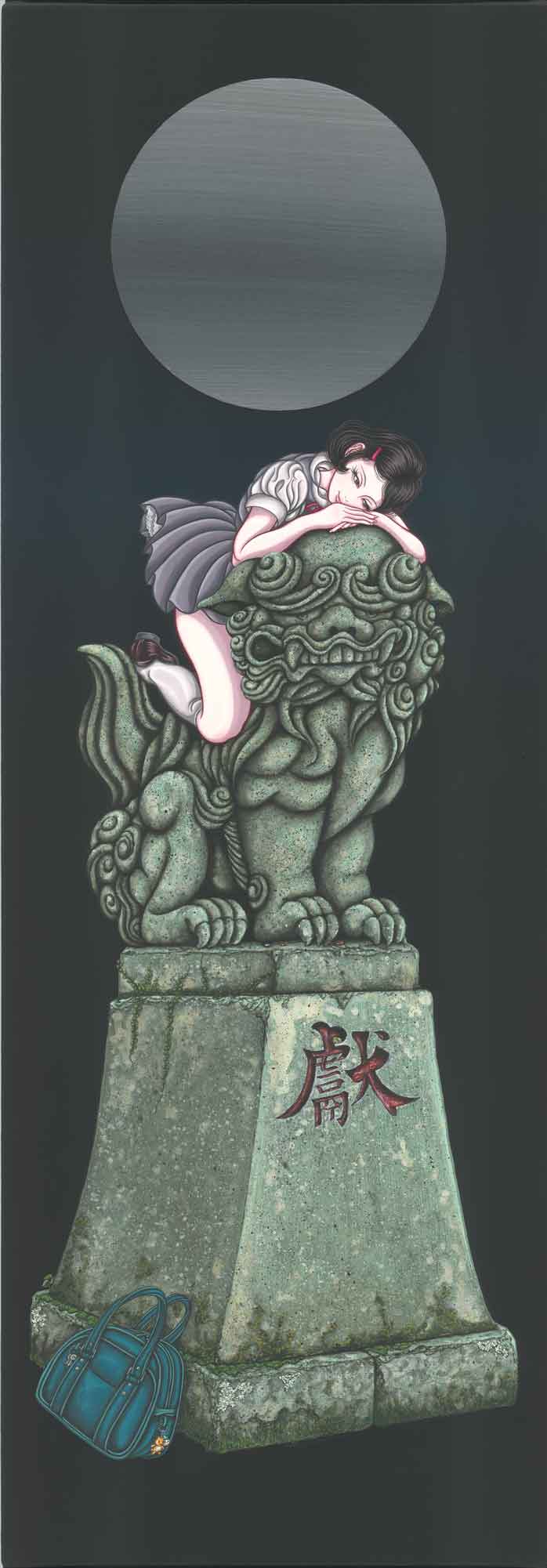
A-Un
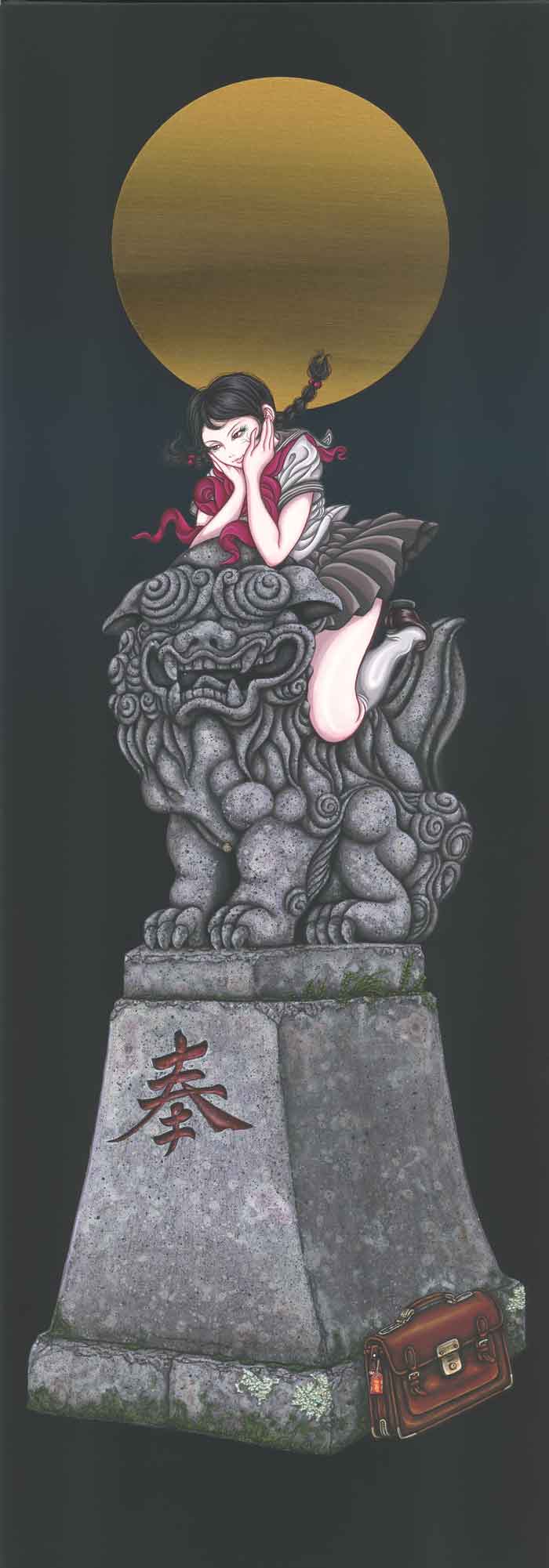
A-Un
As longas férias de Recosuke

Mona Lisa
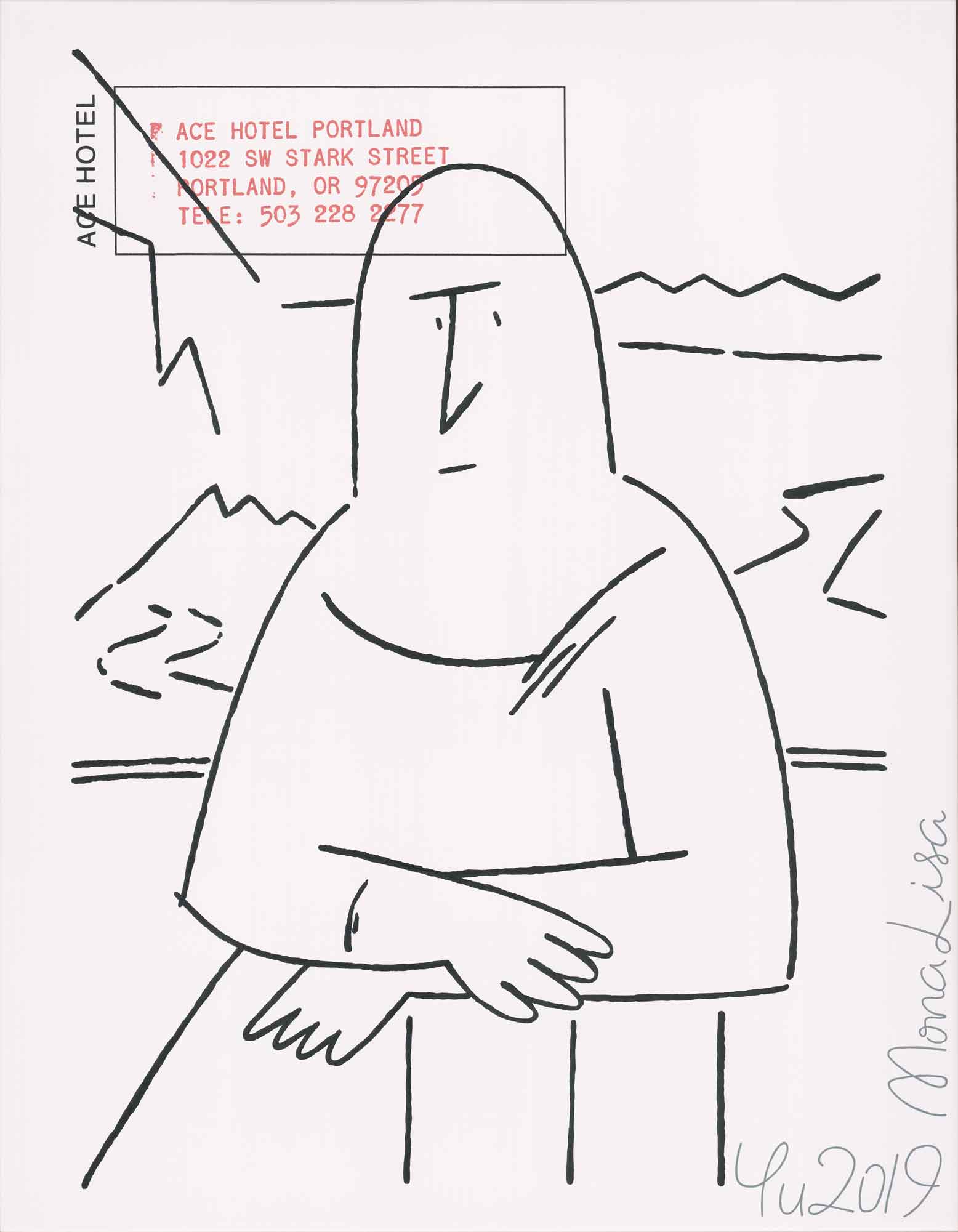
Sem título
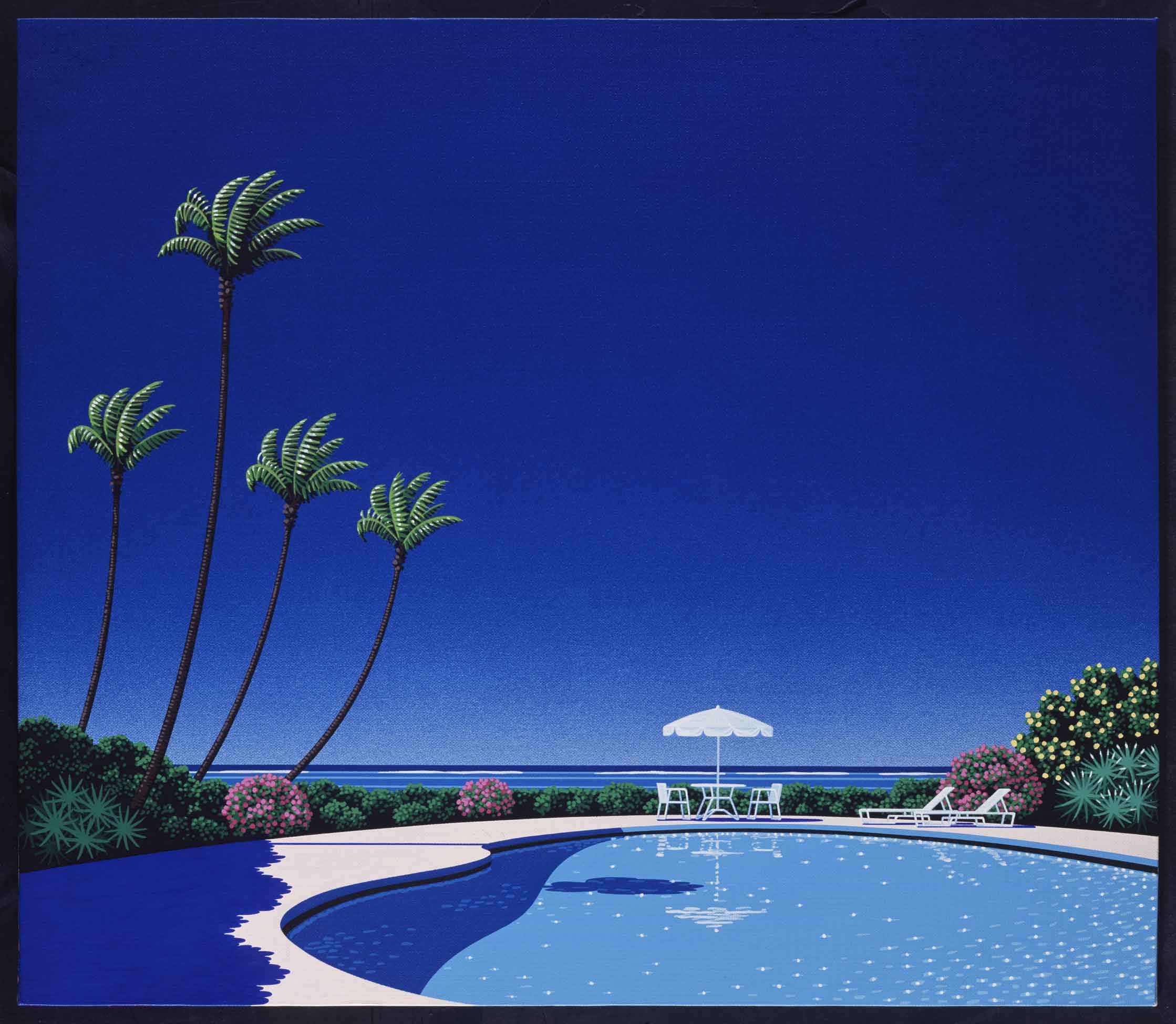
Dinheiro, em vez de grama verde

Bons amigos
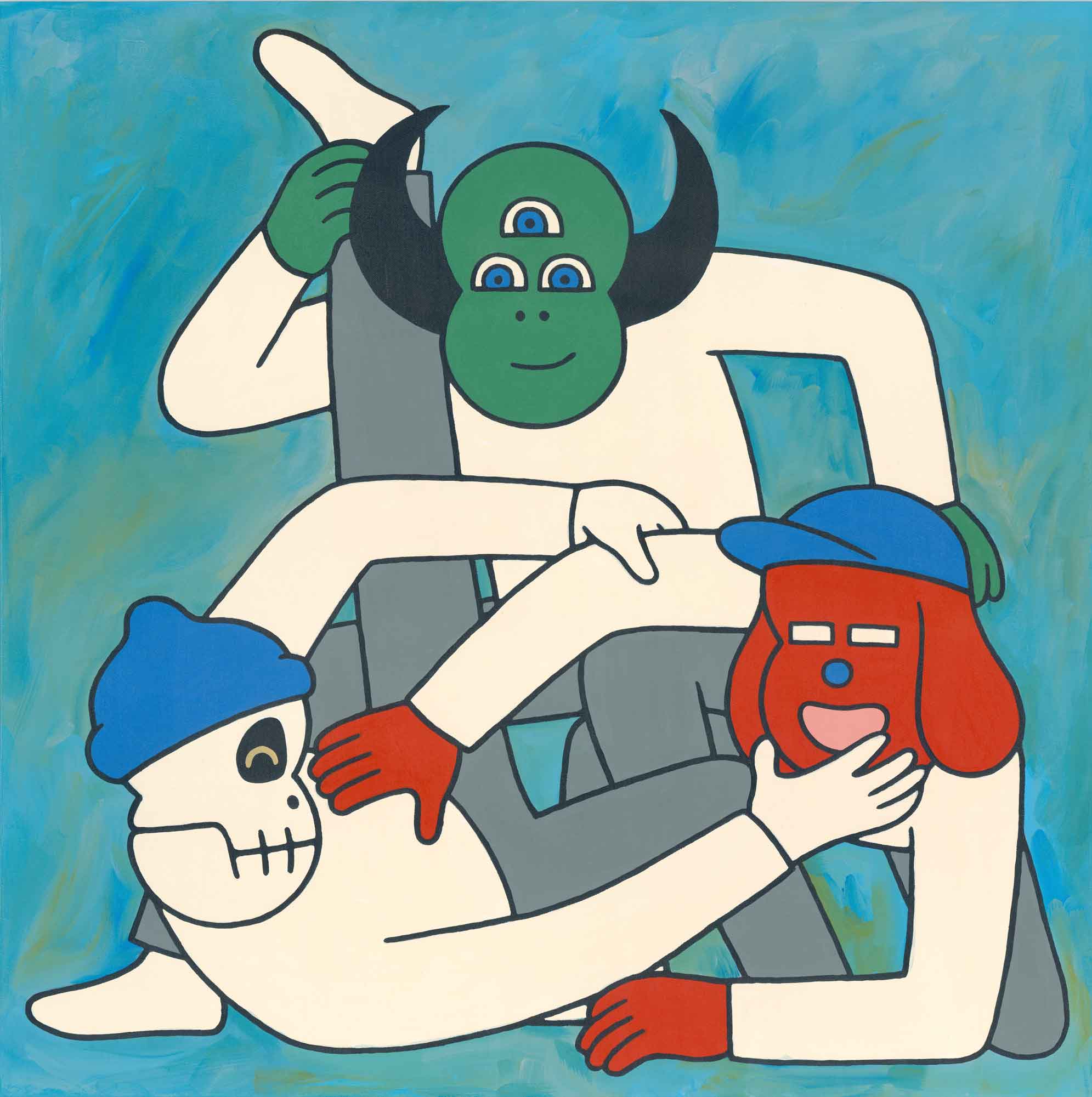
Chack e a menina
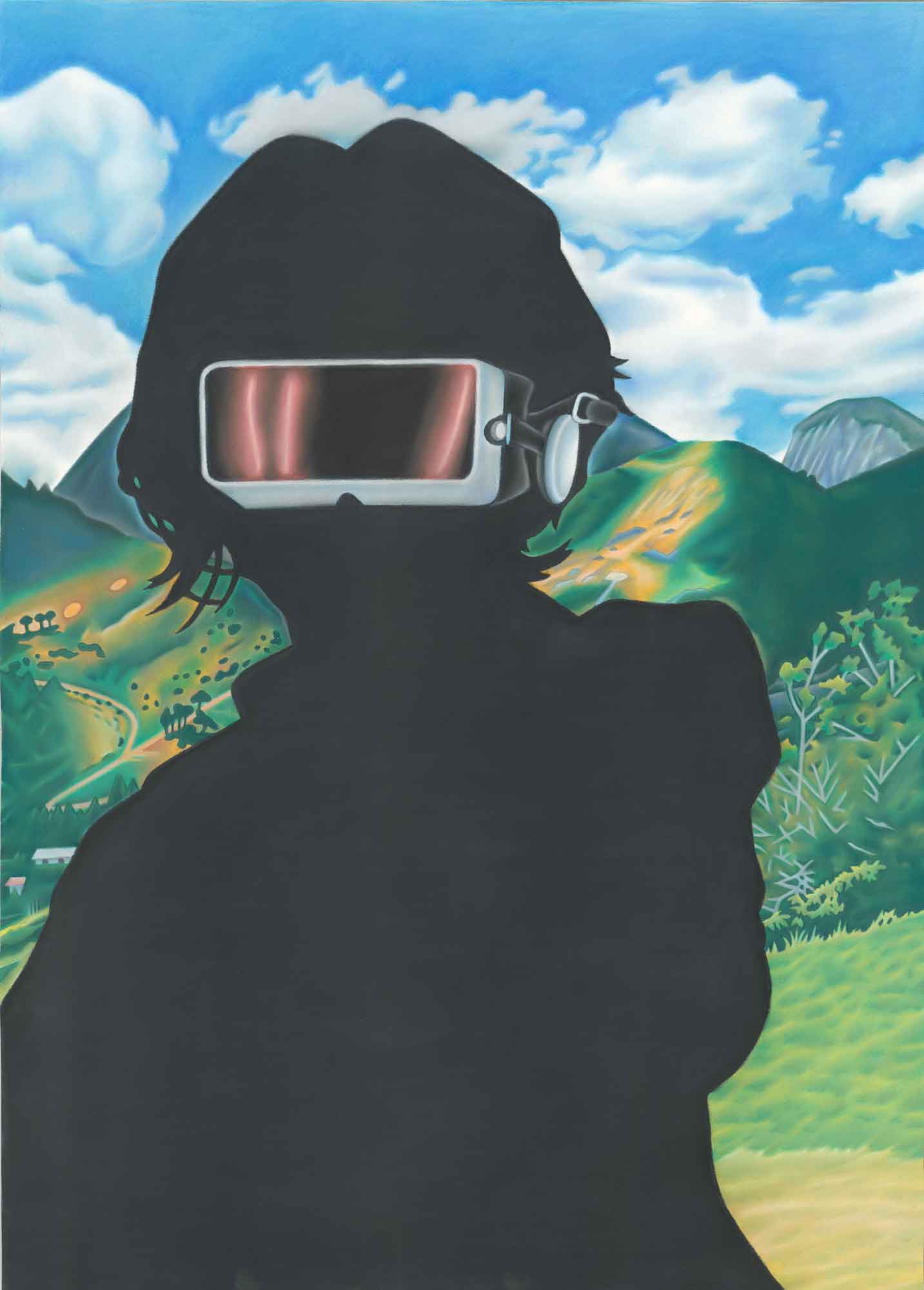
Óculos desconhecidos
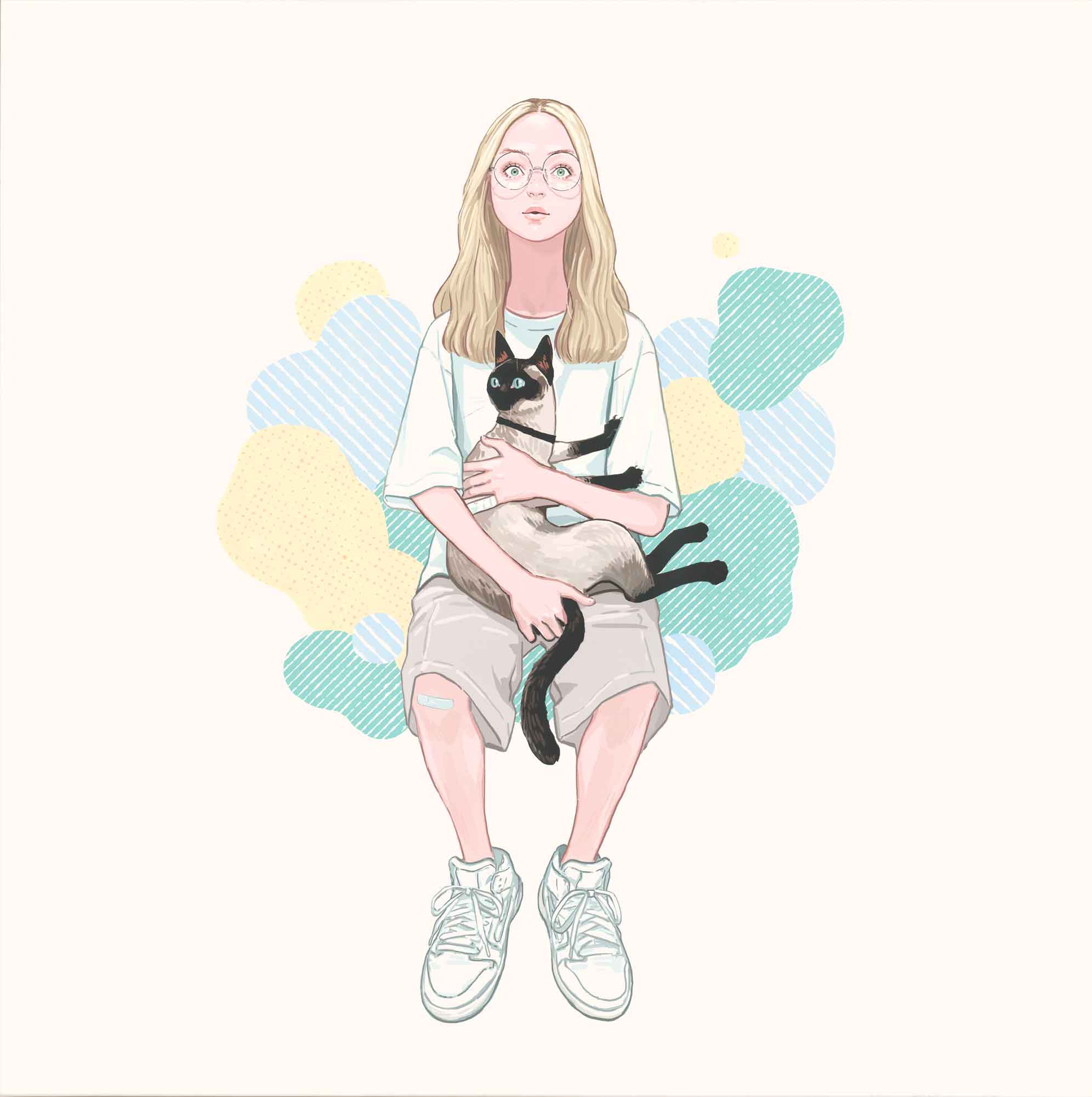
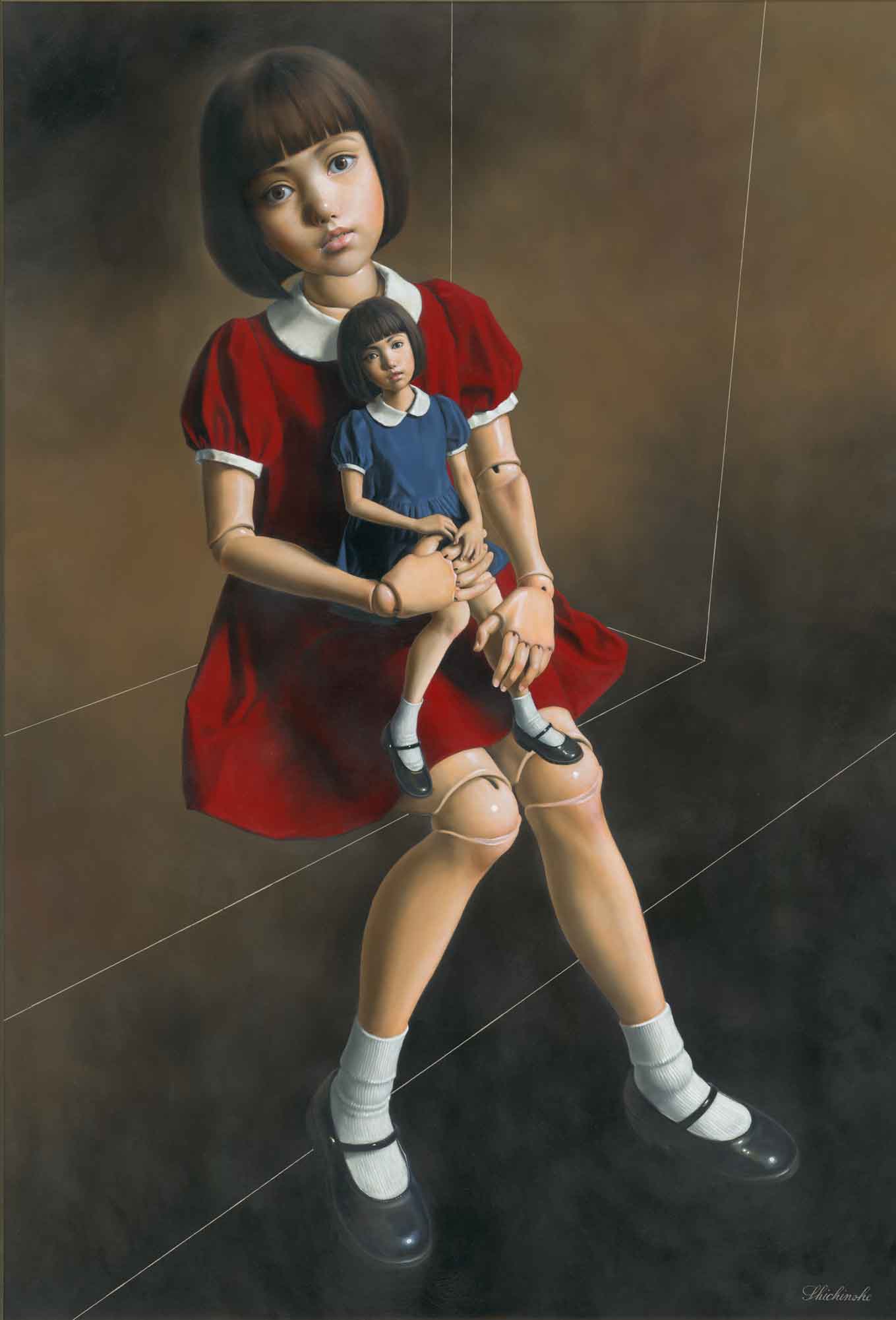
Brincando de boneca,
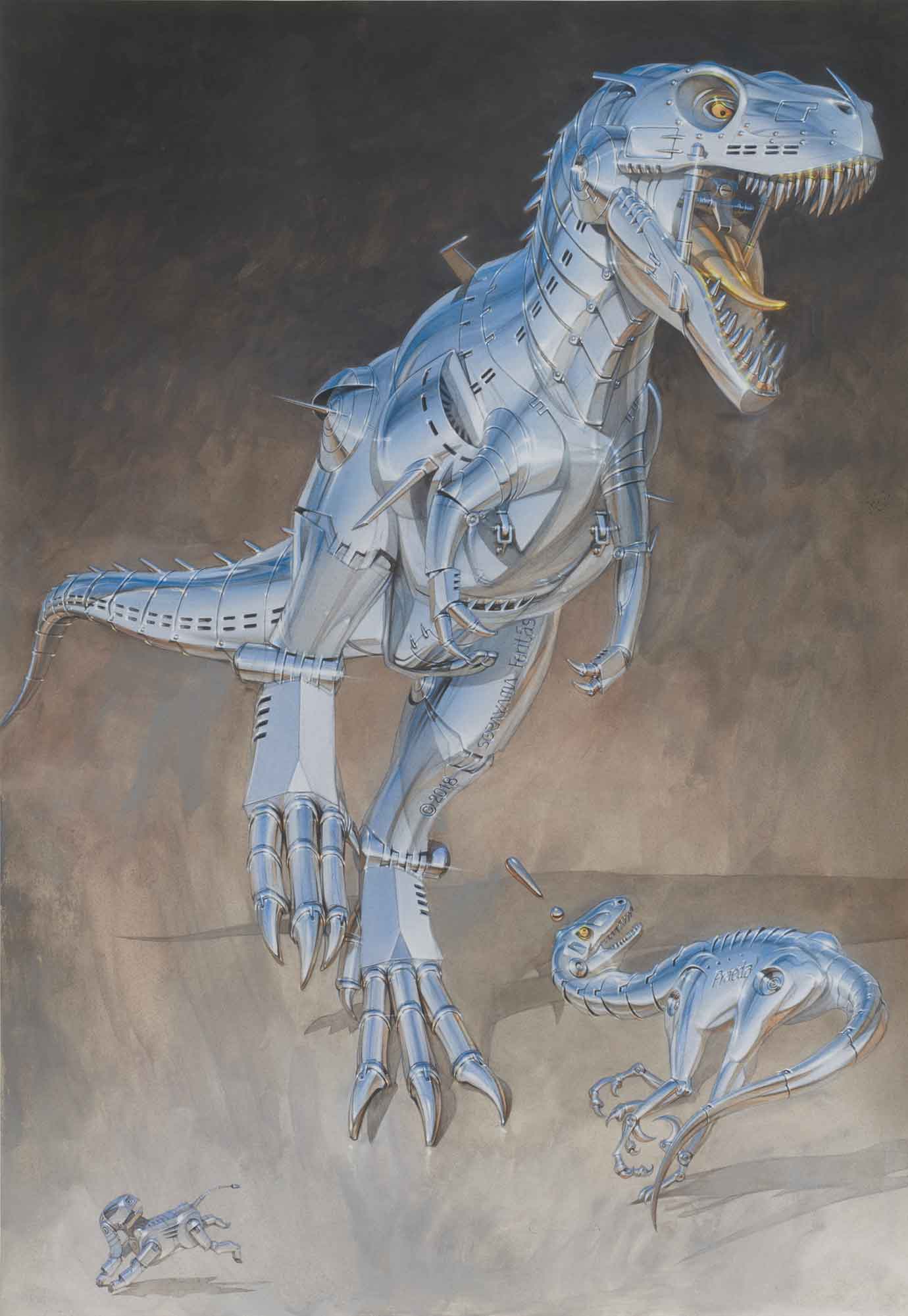
TREX (A)
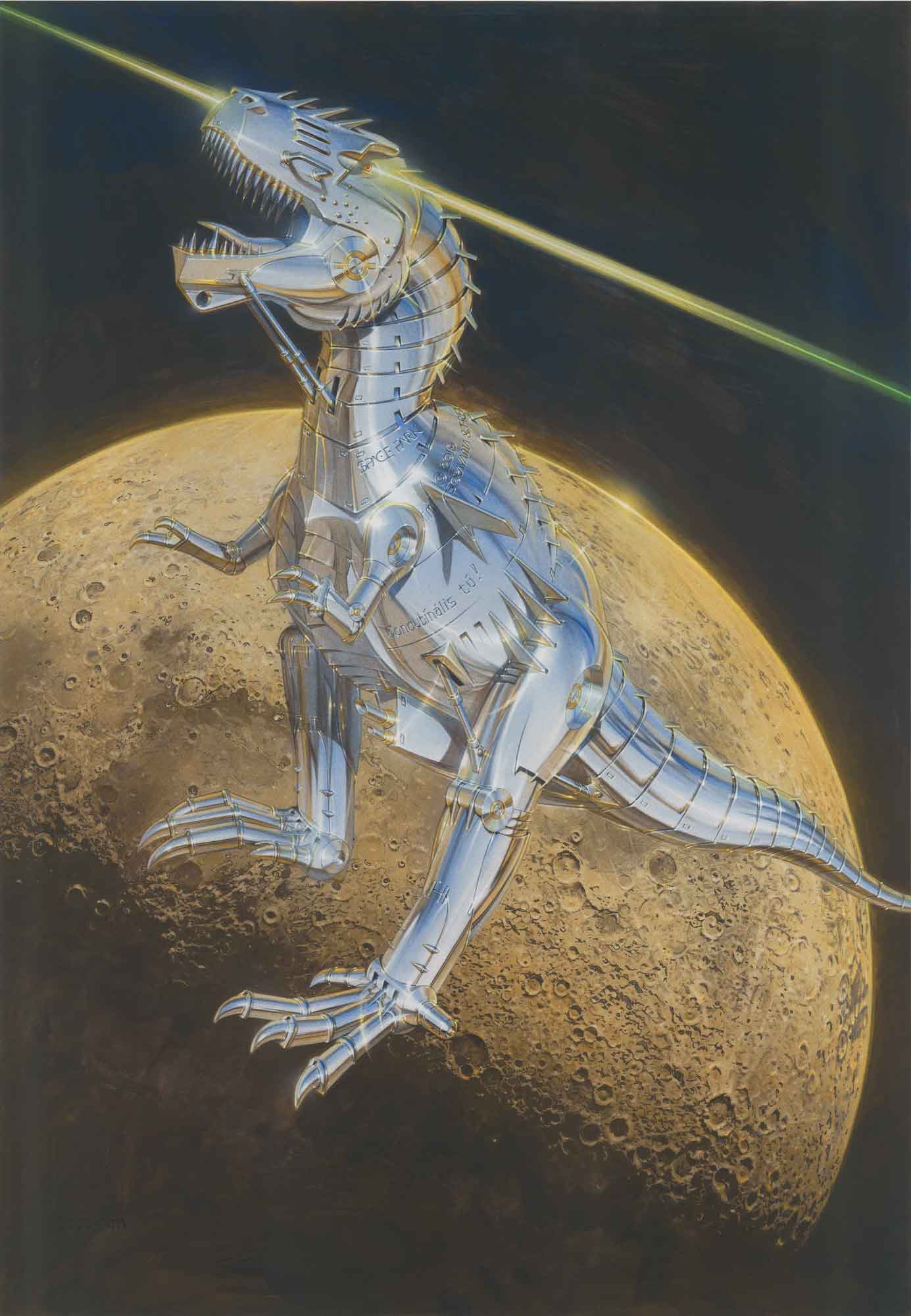
TREX (A)
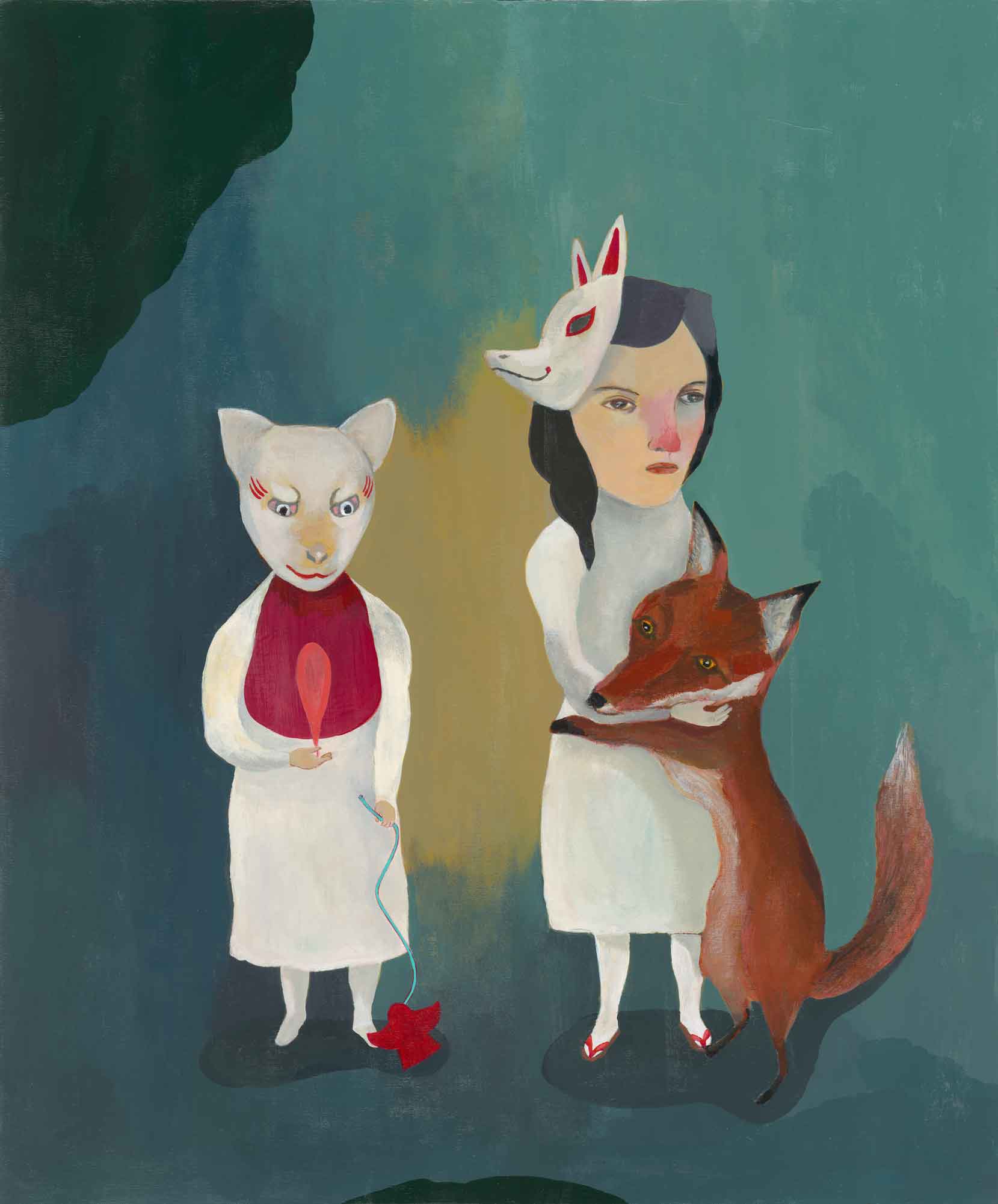
Brincando de faz de conta
Vestido de renda
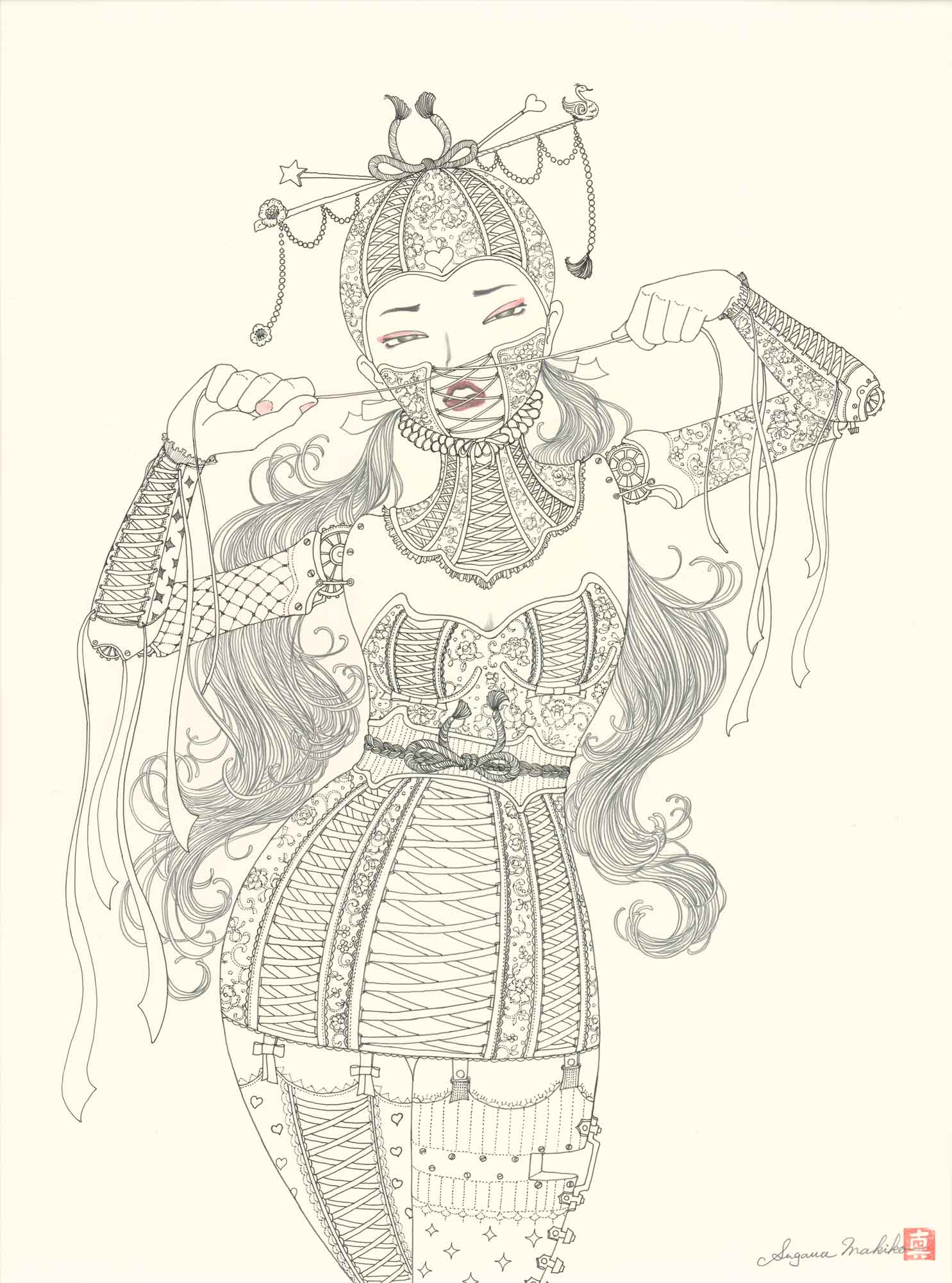
Diana
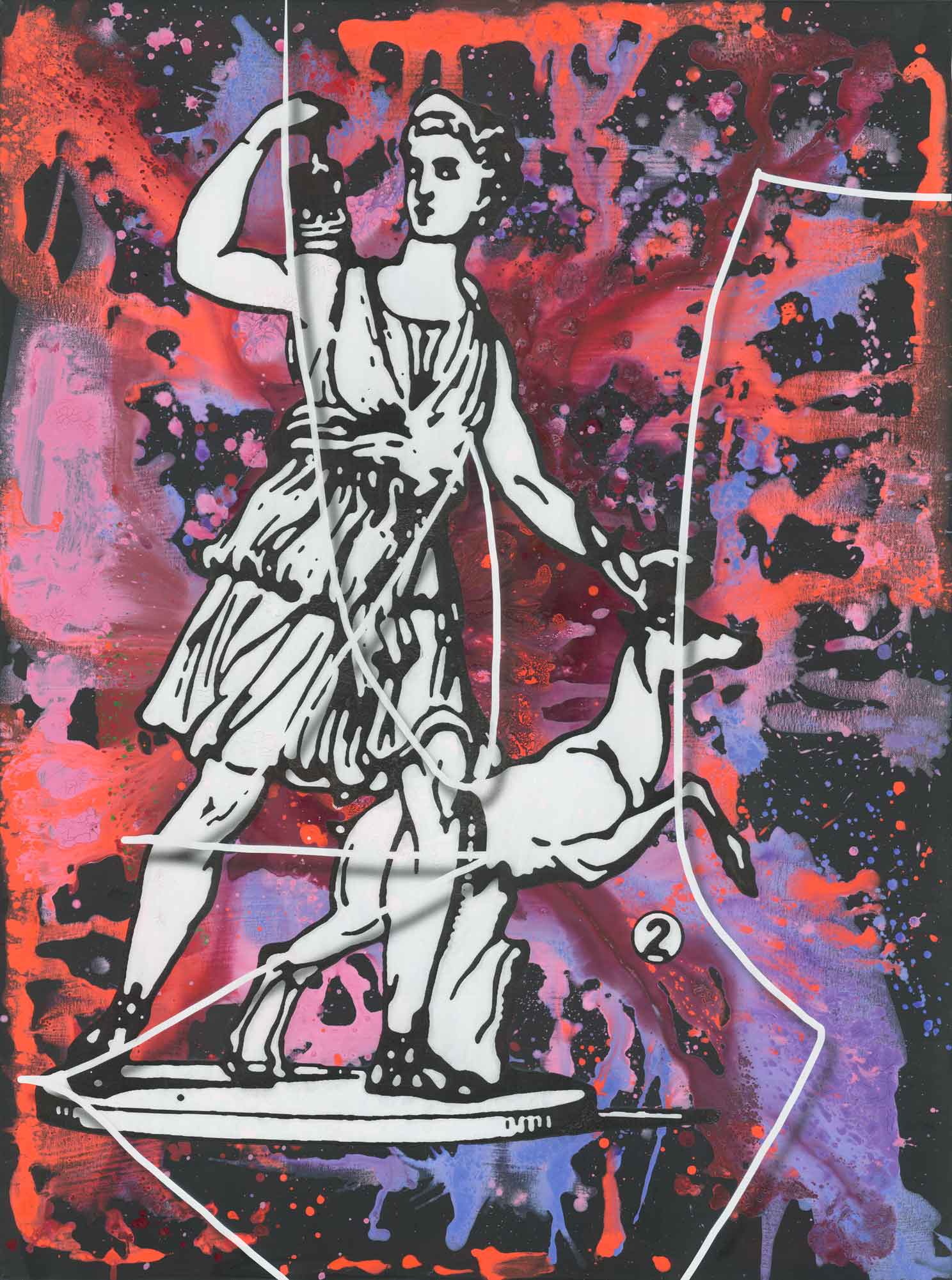
Snap-49
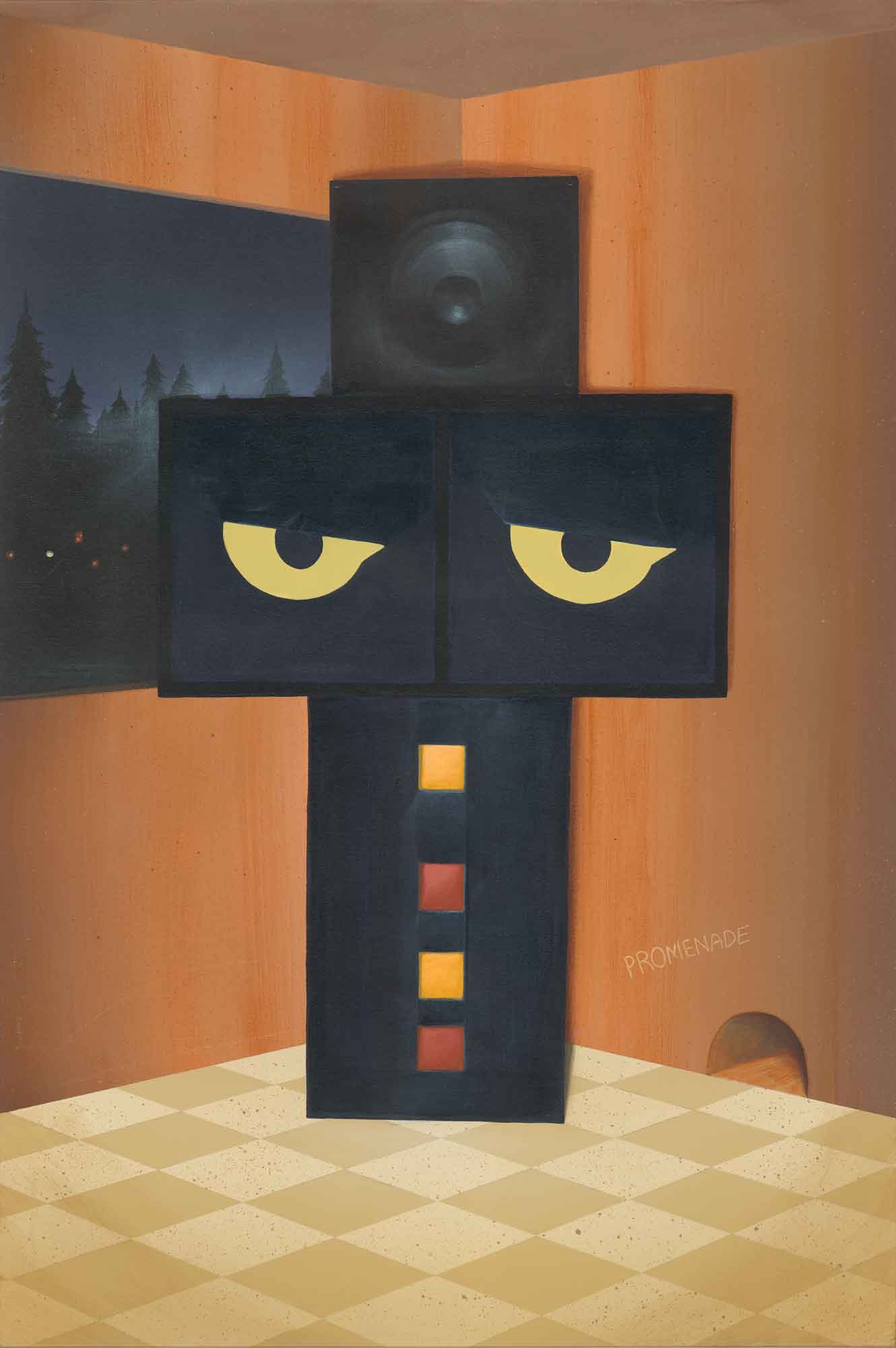
On and Off
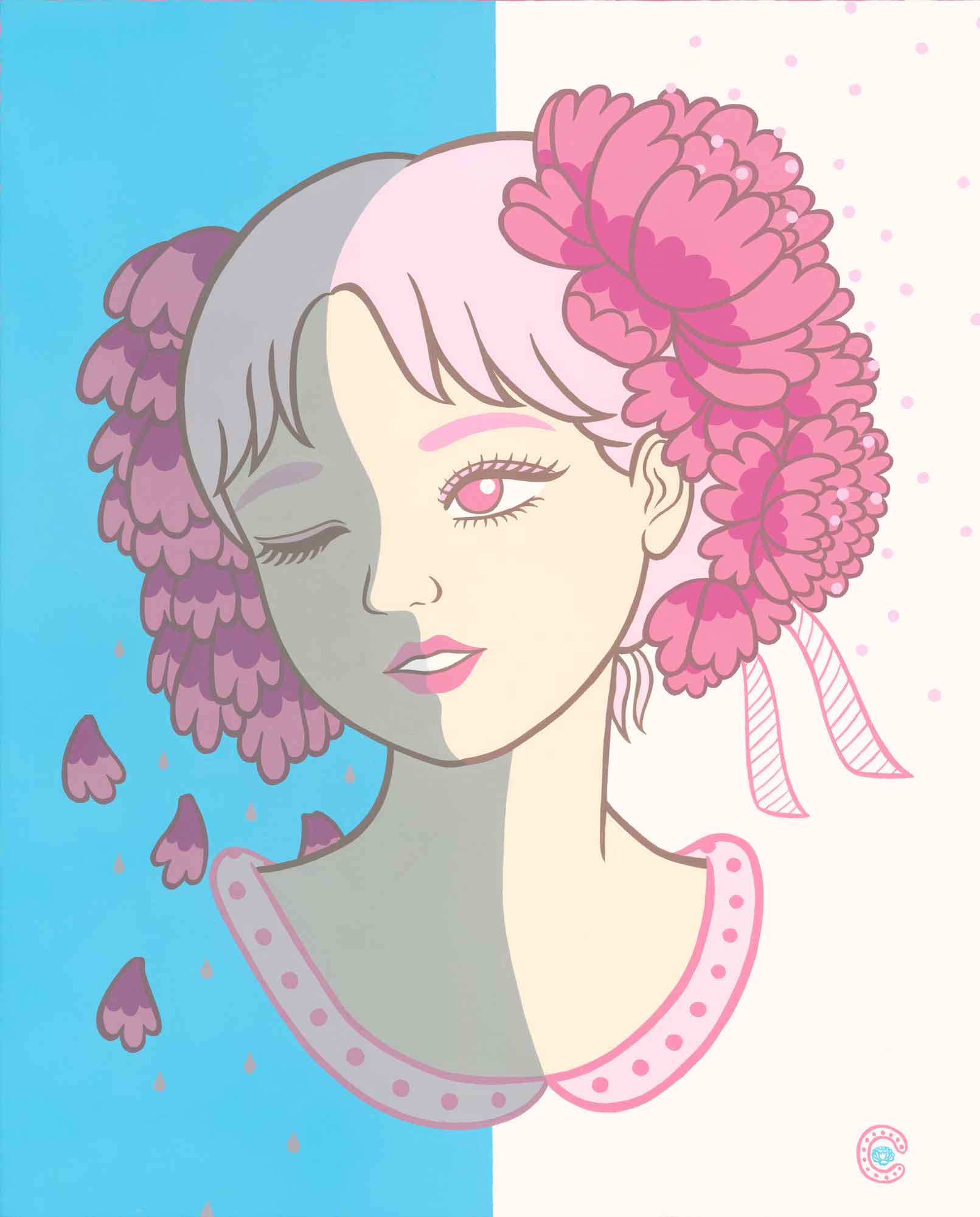
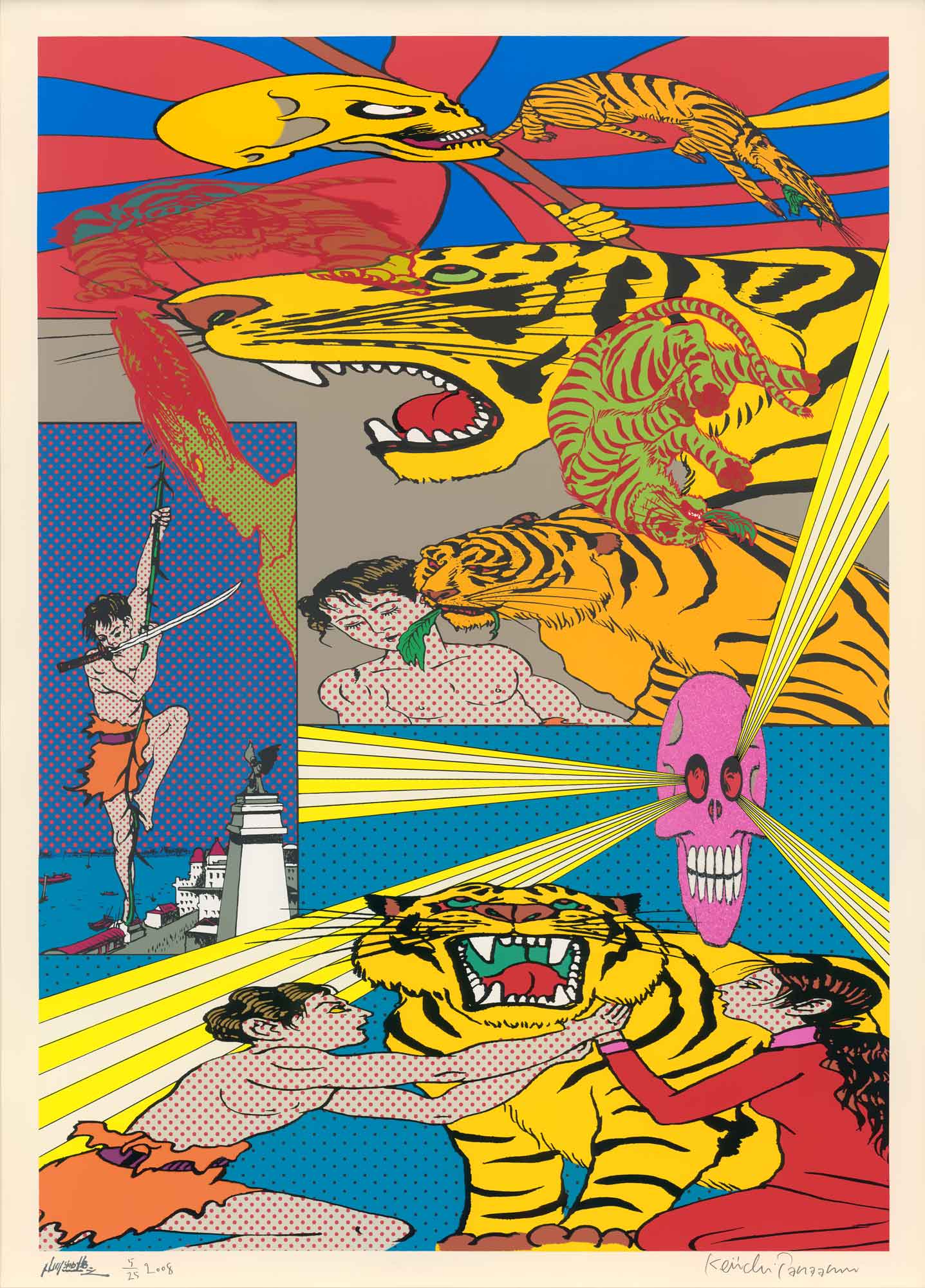
Shonen Tiger 01
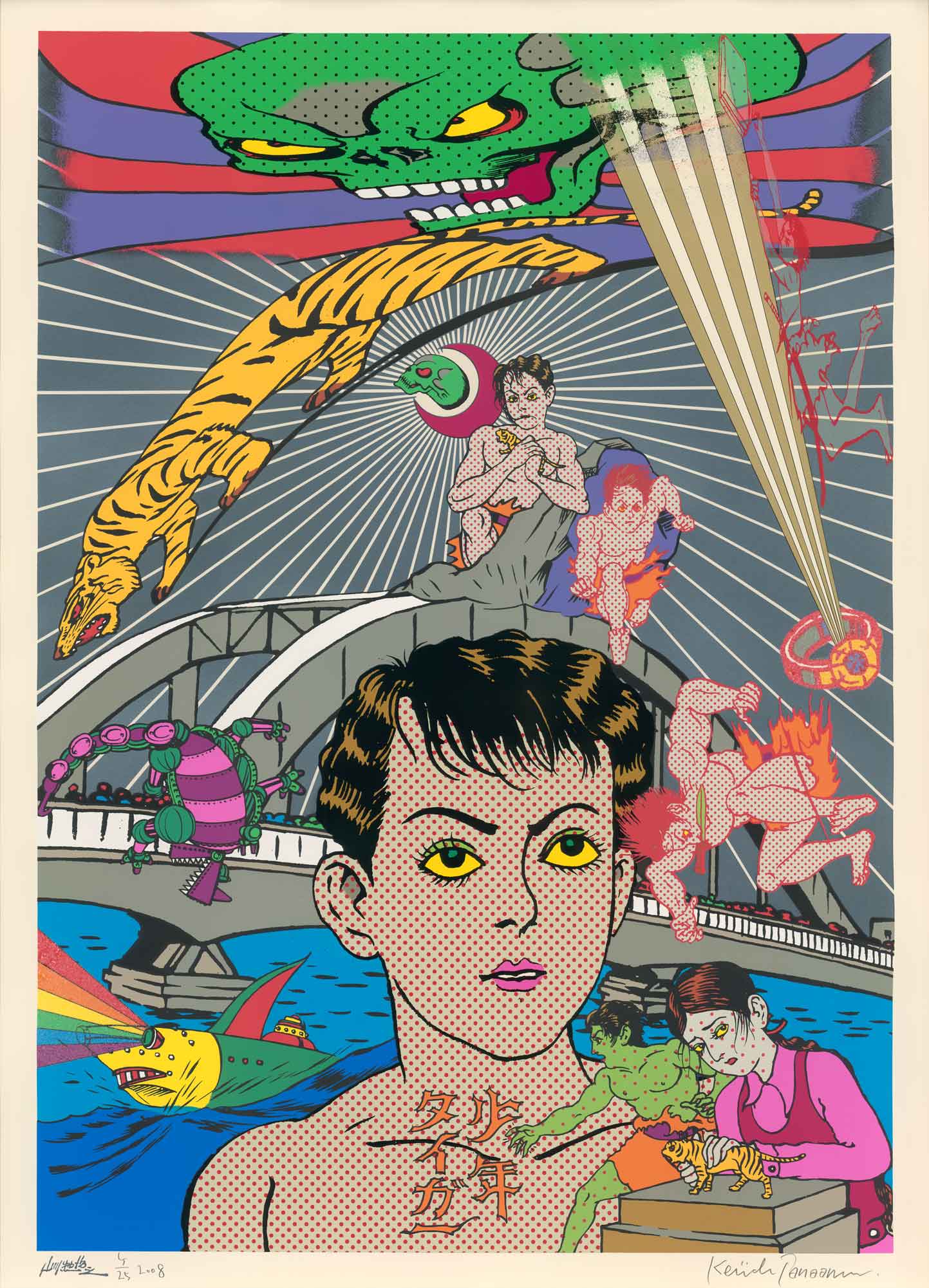
Shonen Oja
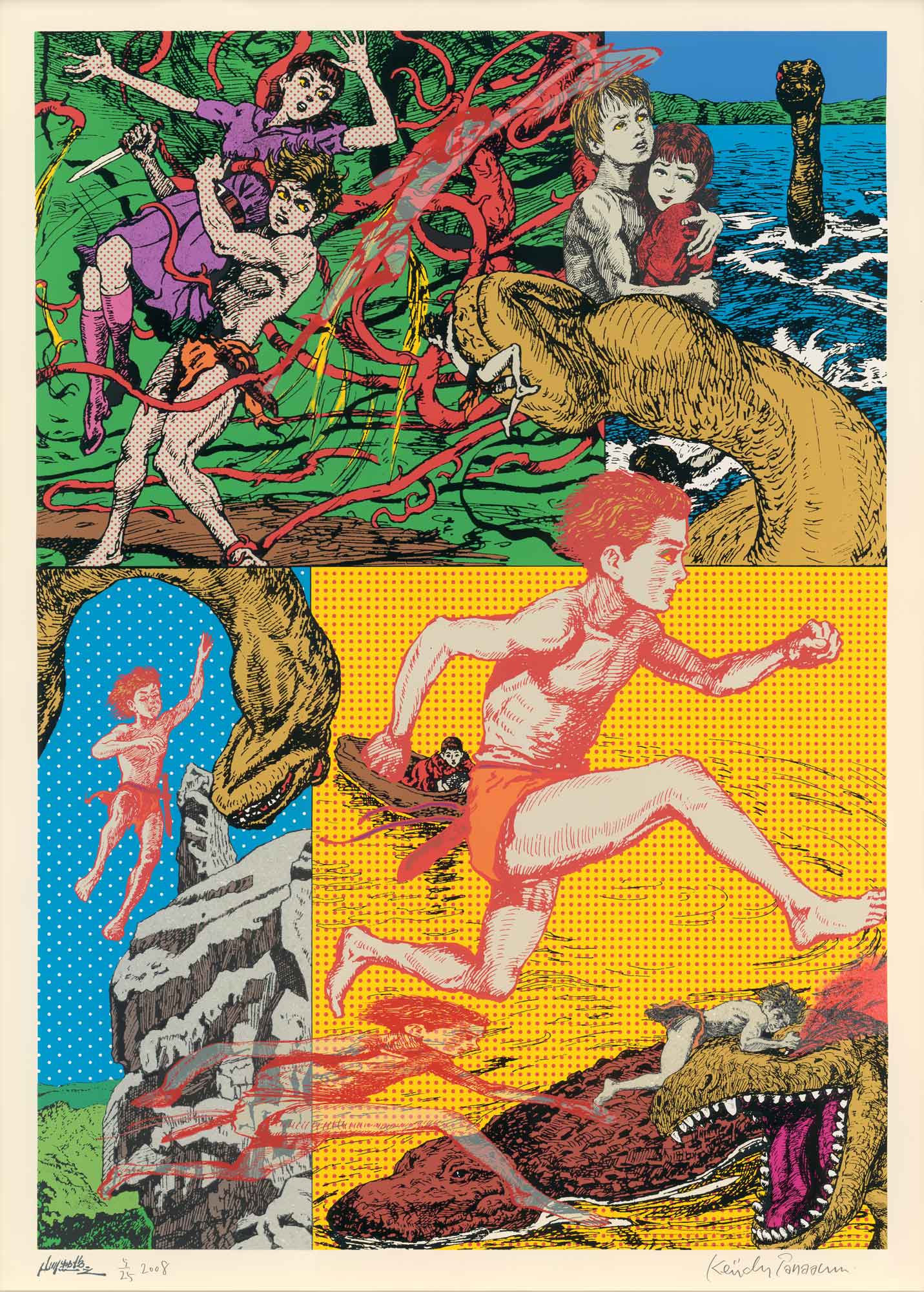
Shonen Tiger 02
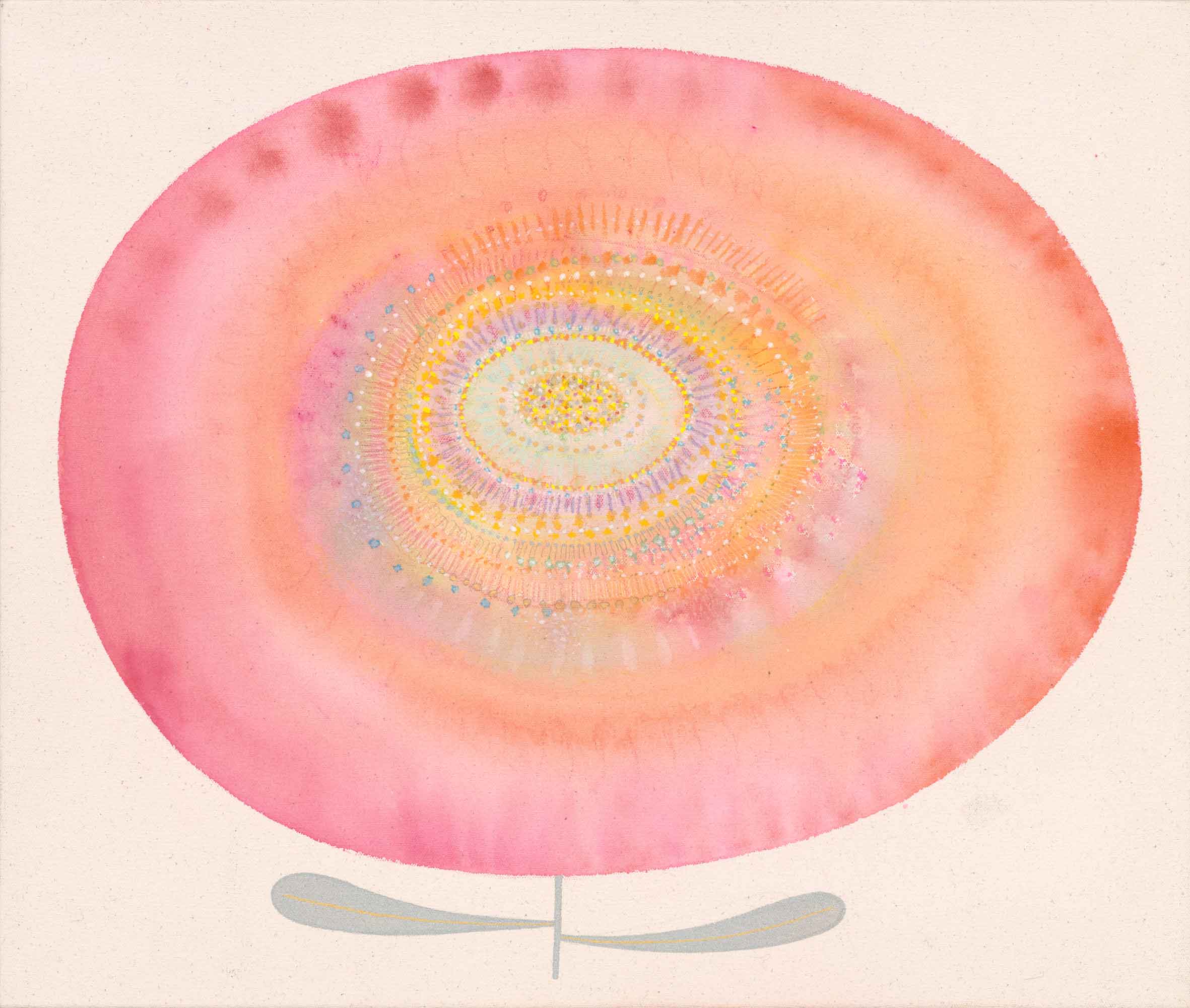
A flor daqui, de lá, e de todos os lugares
Sem título
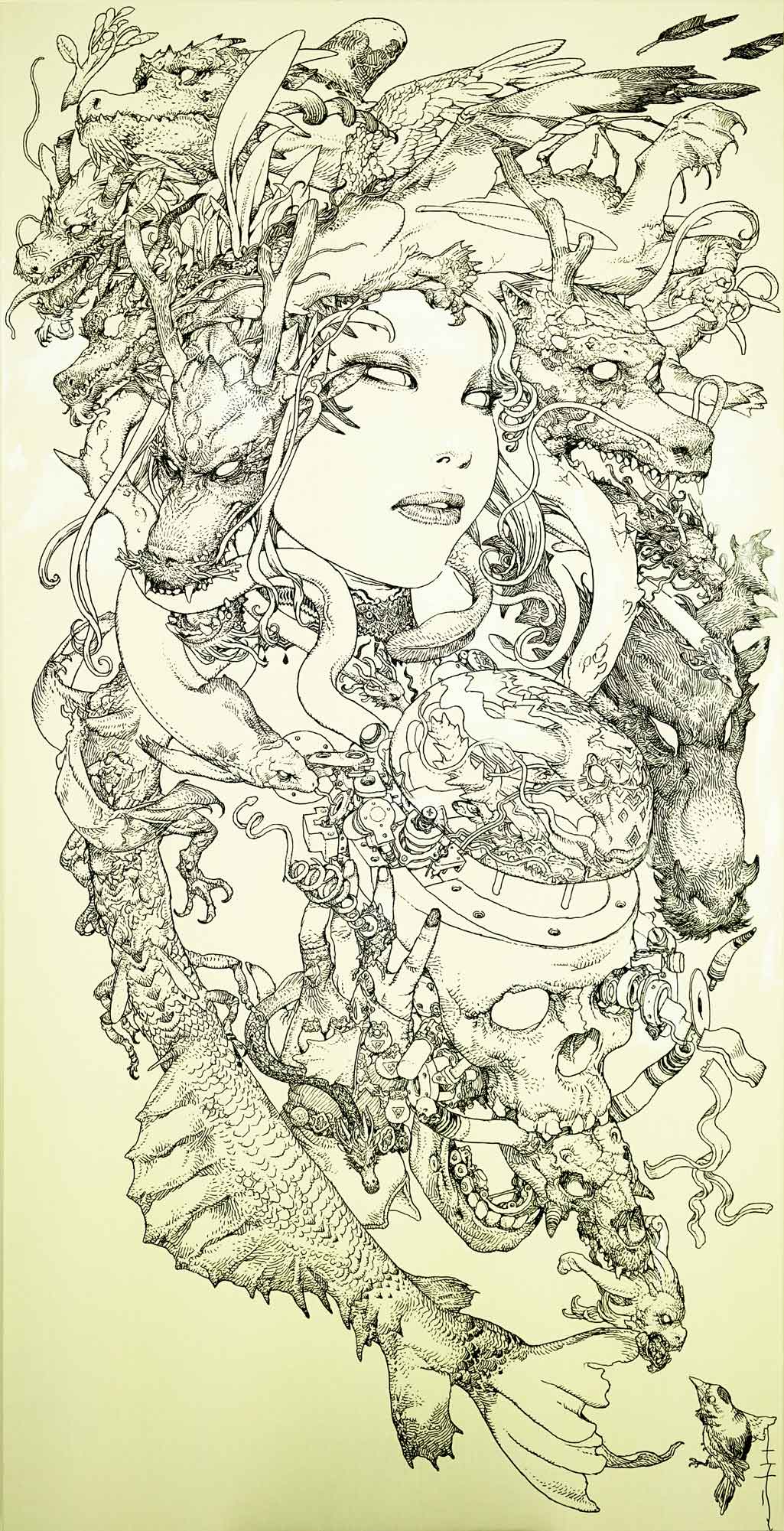
slimeLXXV
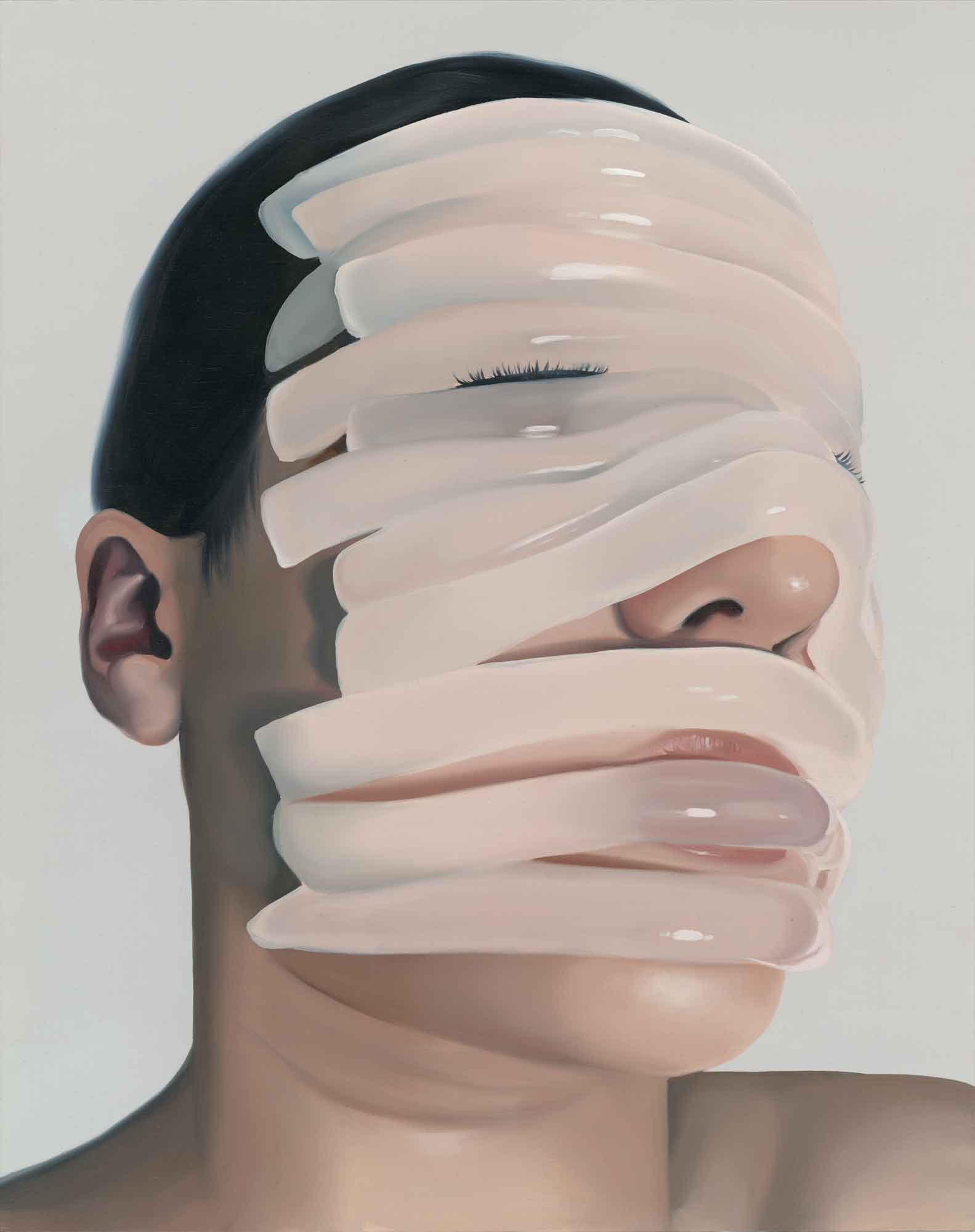
Retrato de família
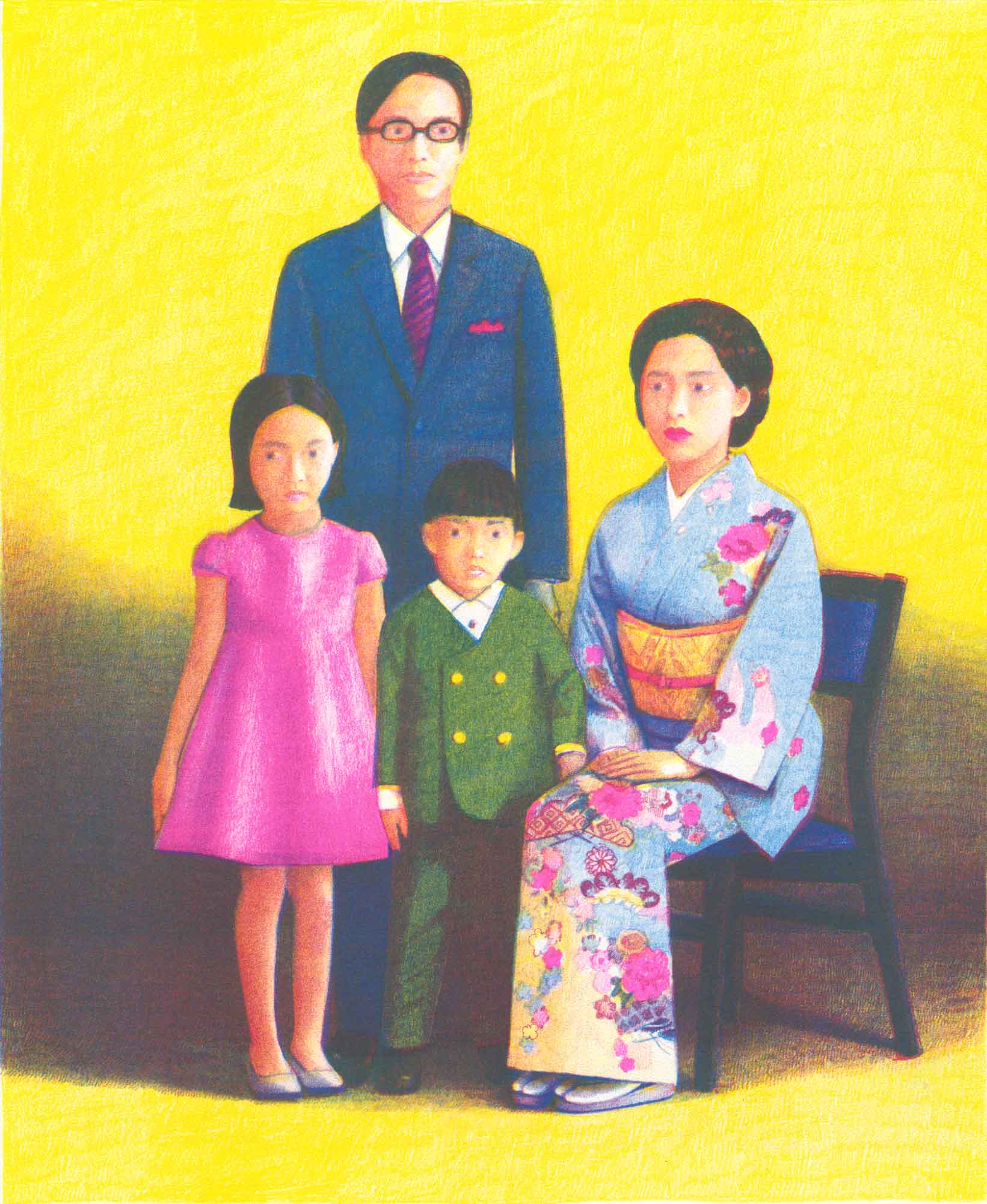
Balneário Panda
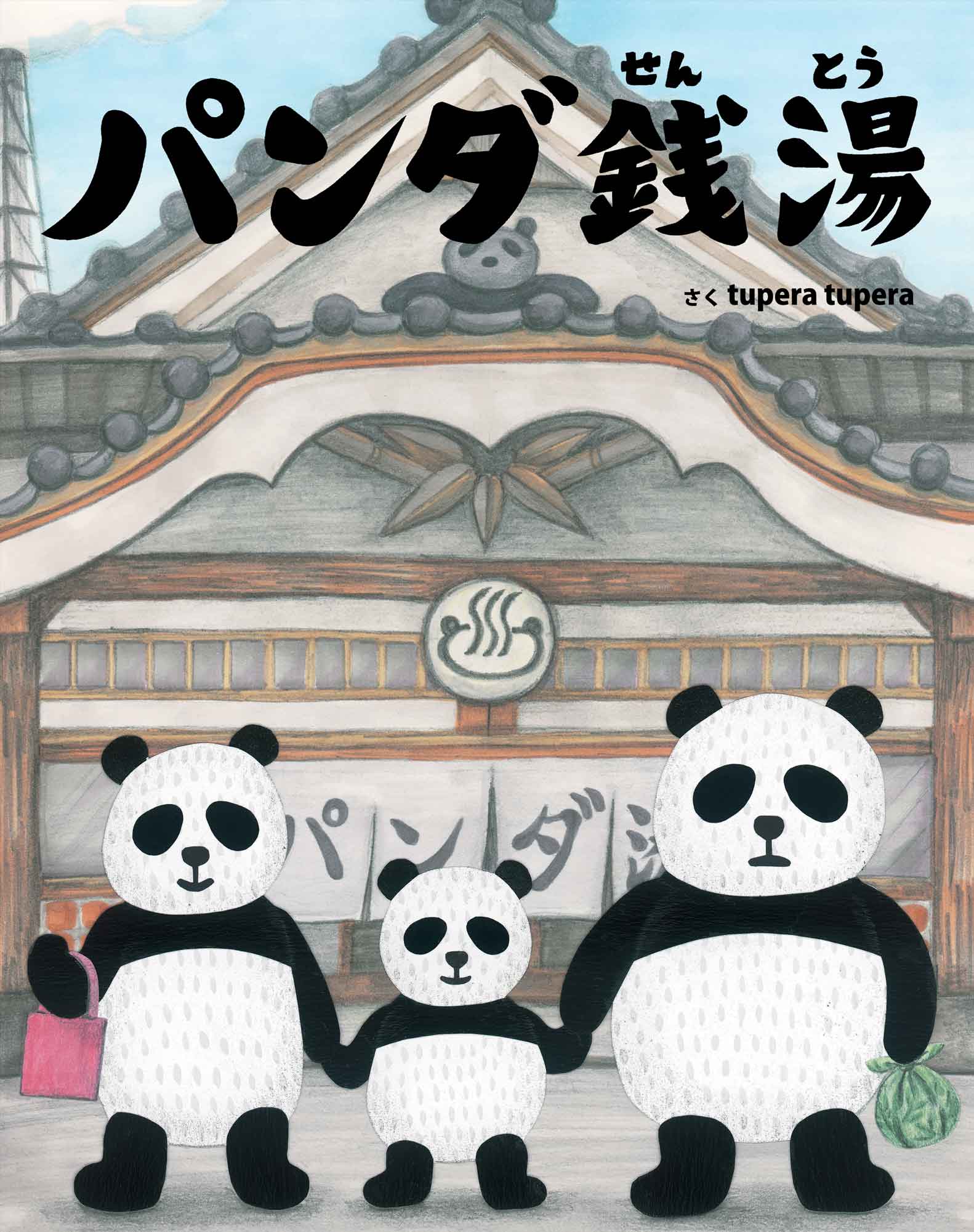
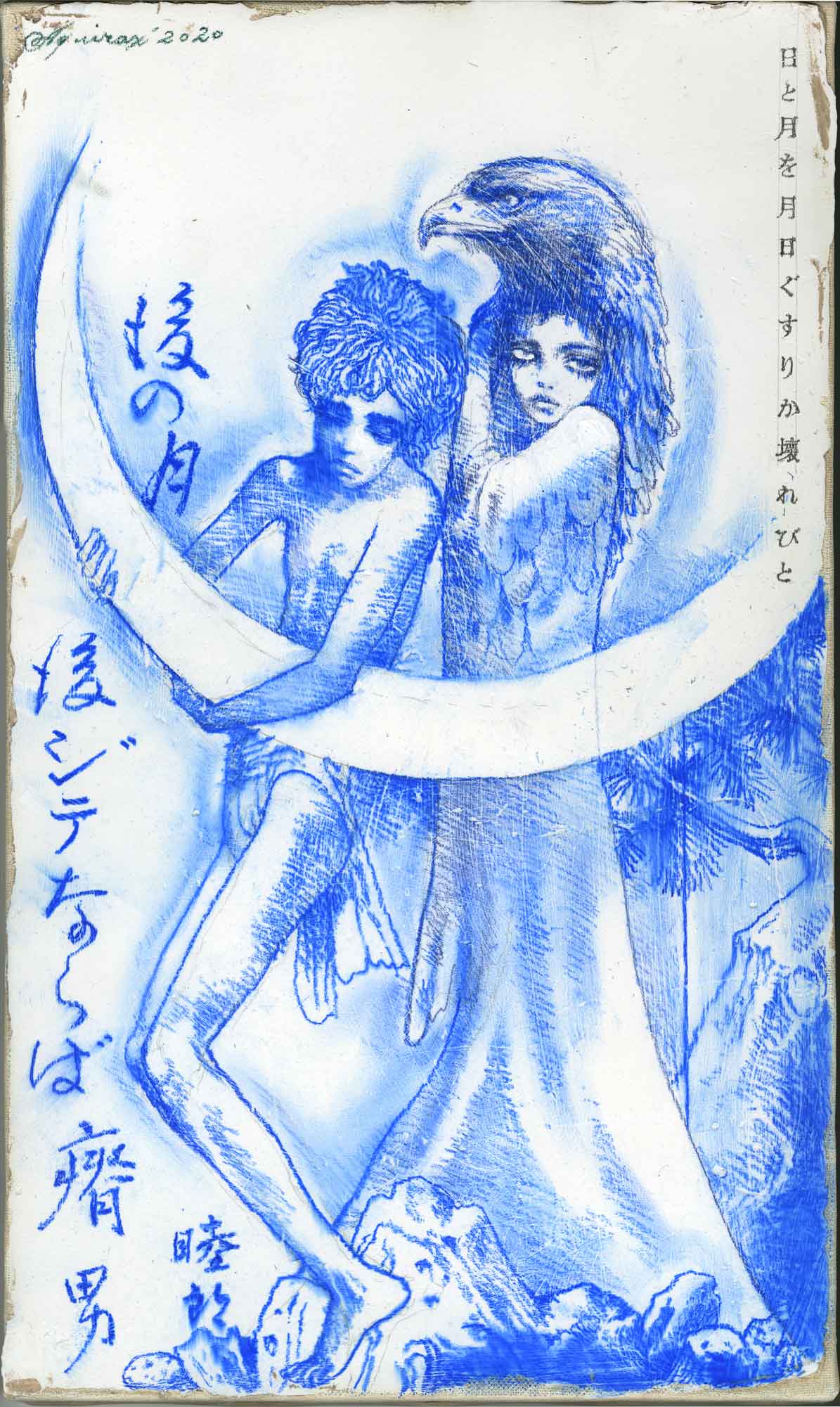
Nochi no Tsuki Nochishitenaraba Yaseotoko (haiku)
Traje de grou

O novo jovem
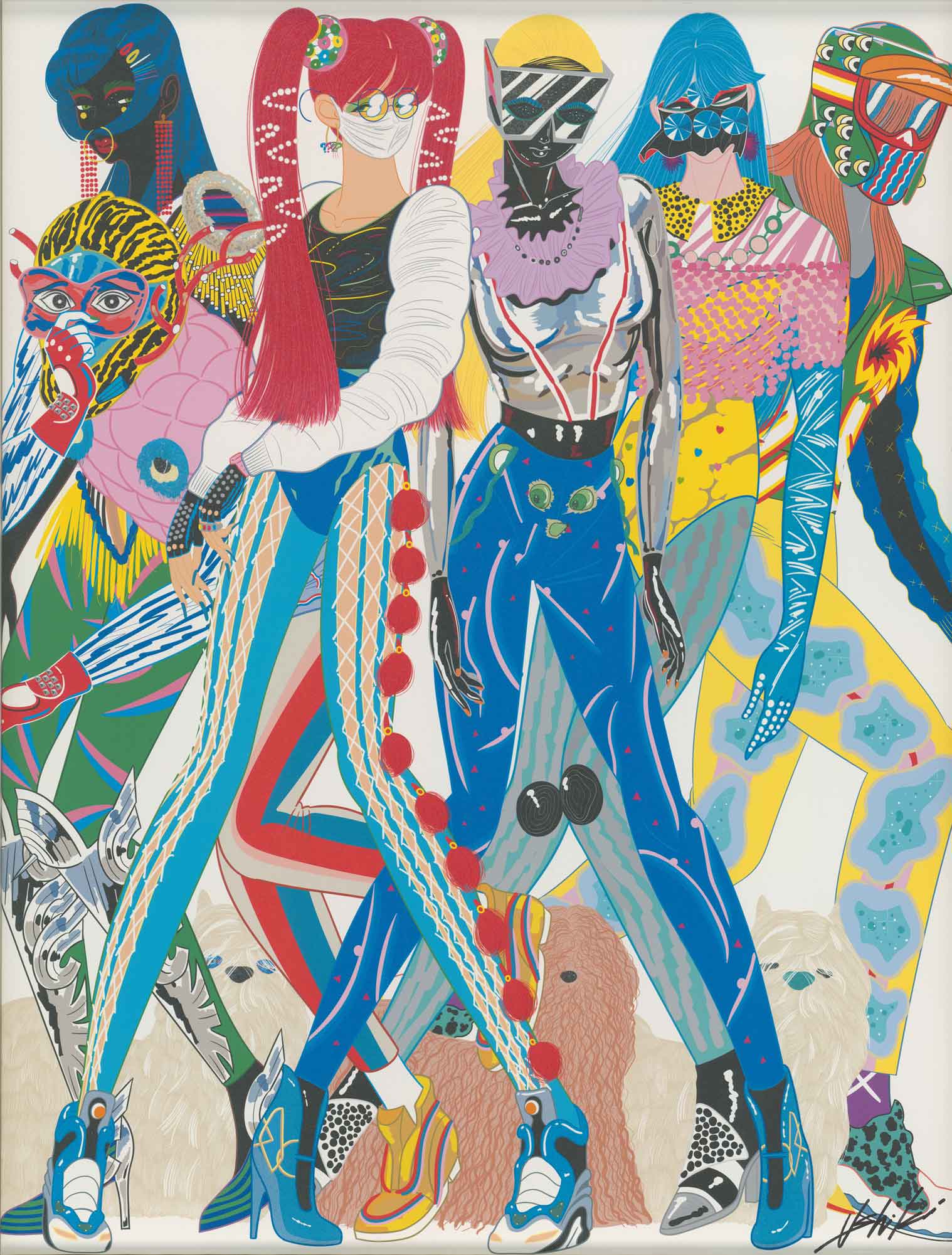
Peixe tropical
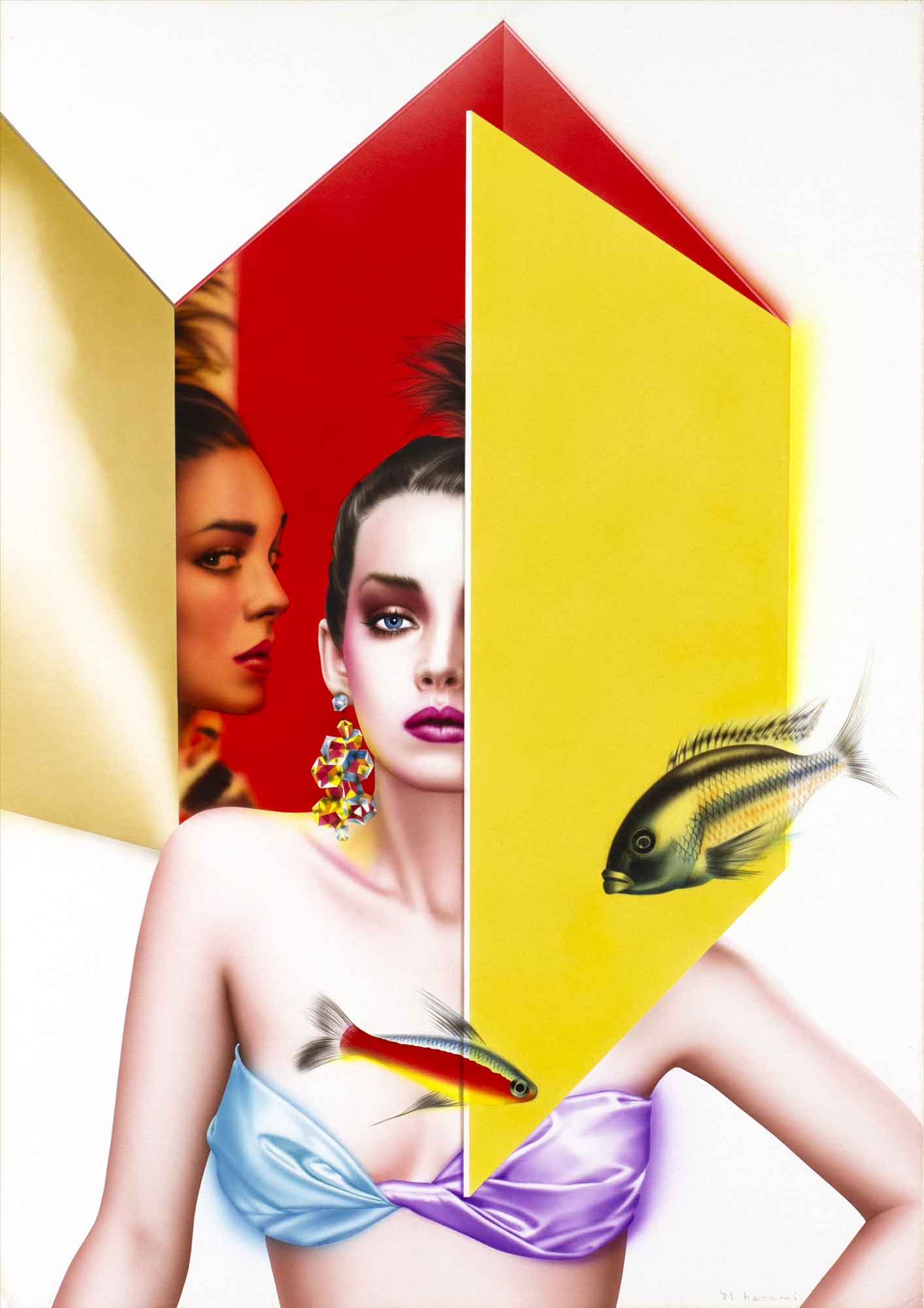
A sala do mapa-múnd
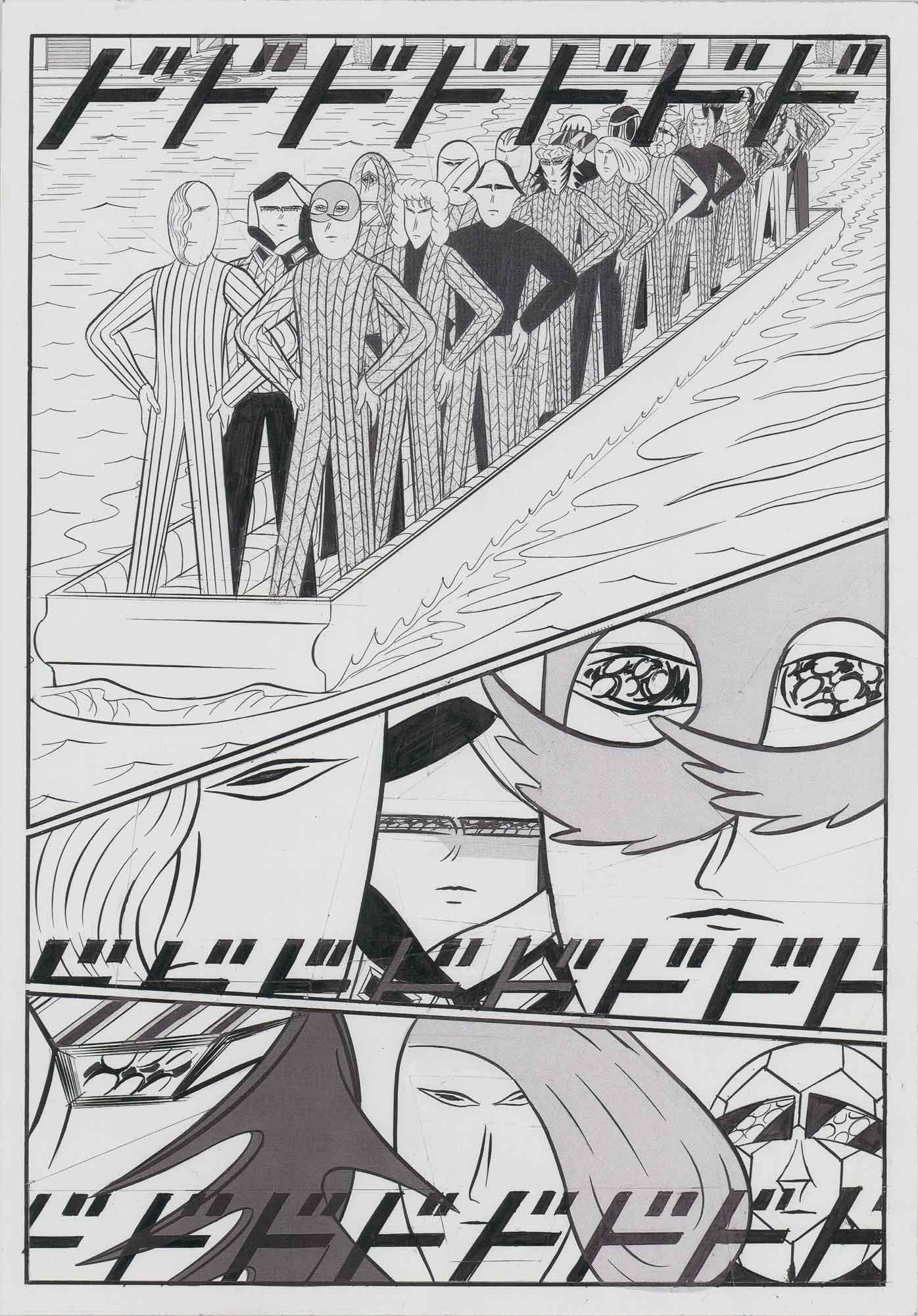
Frango na manteiga em êxtase
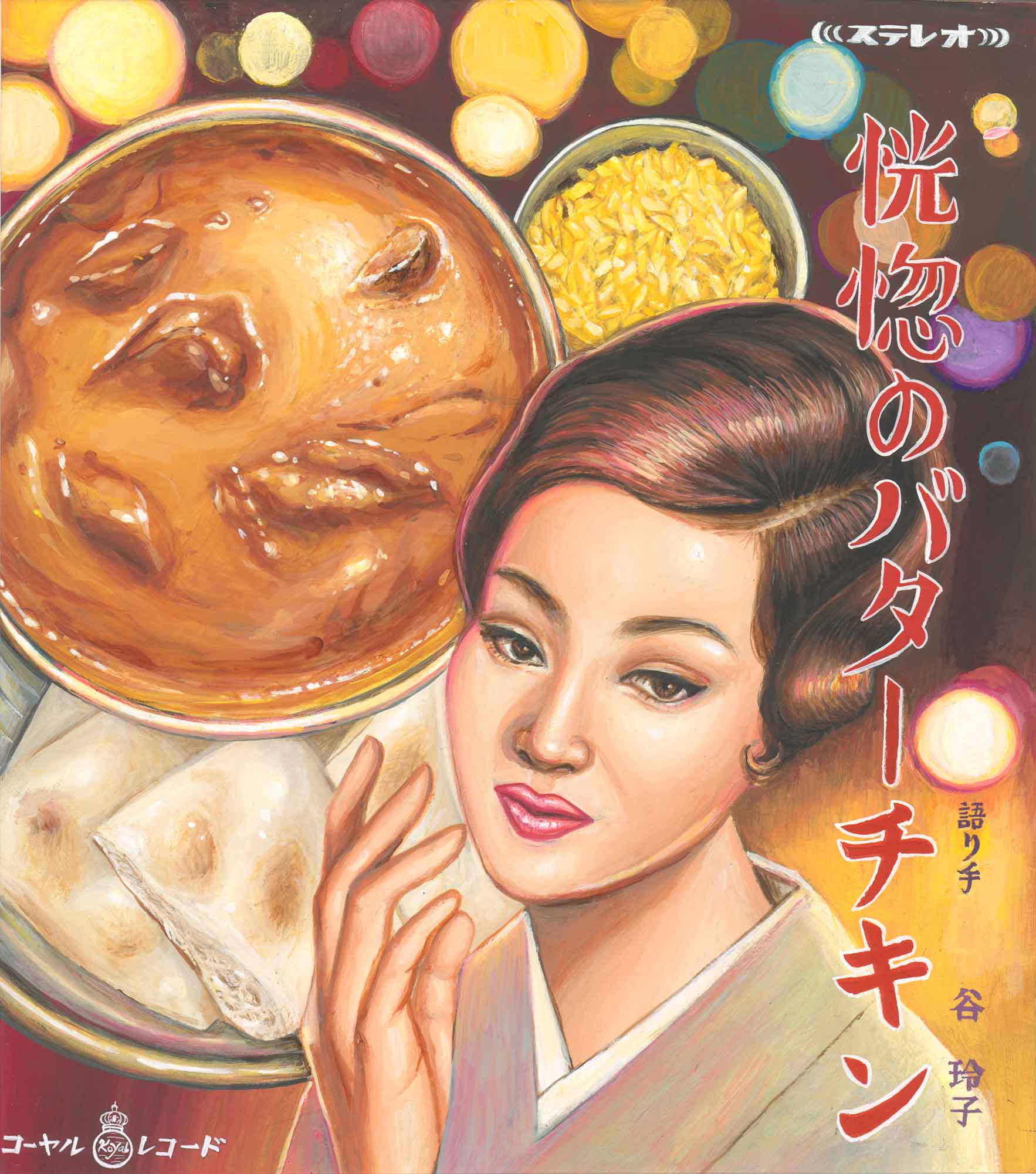
Castelo Bitchu – Matsumot
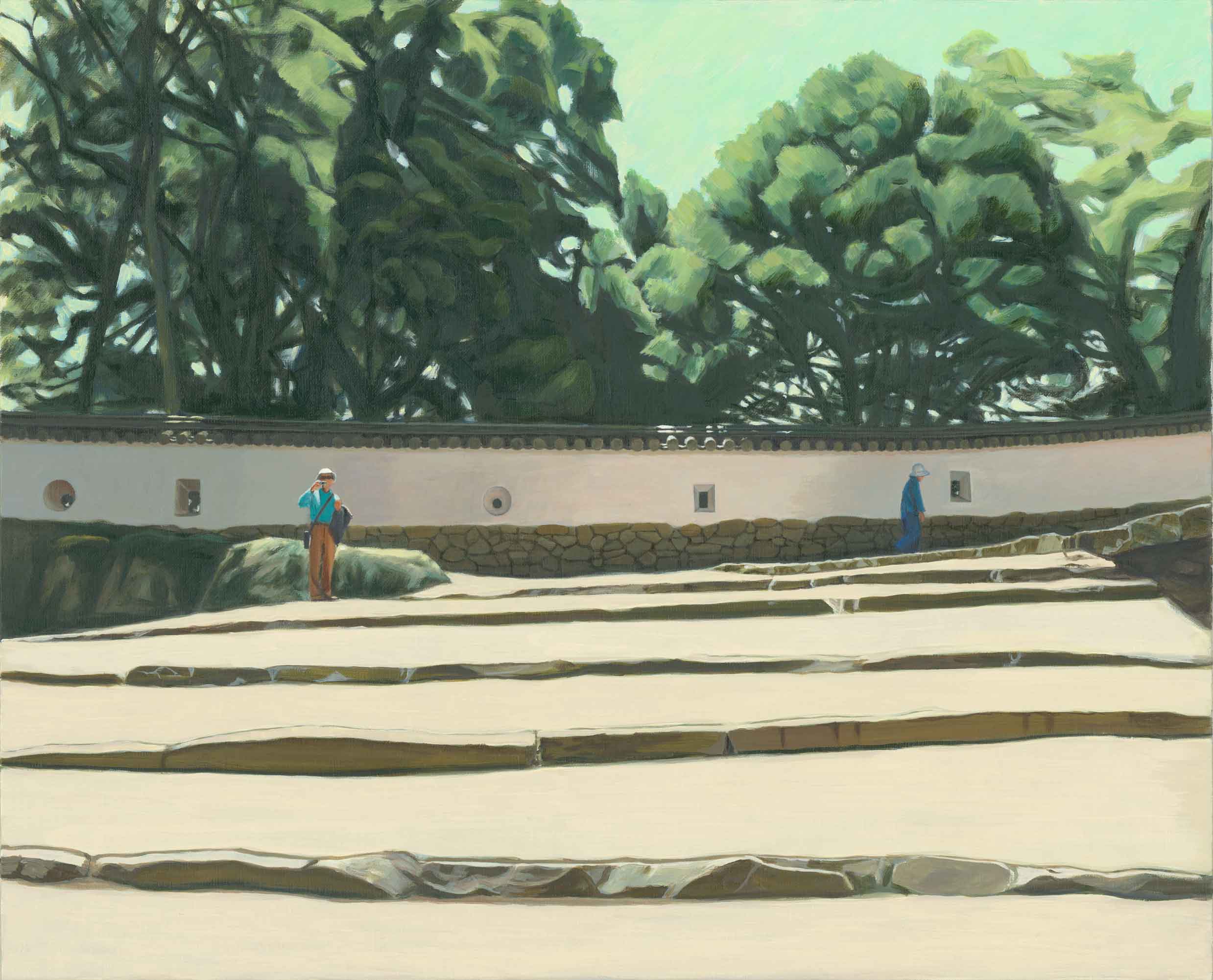
Sem título

Sem título
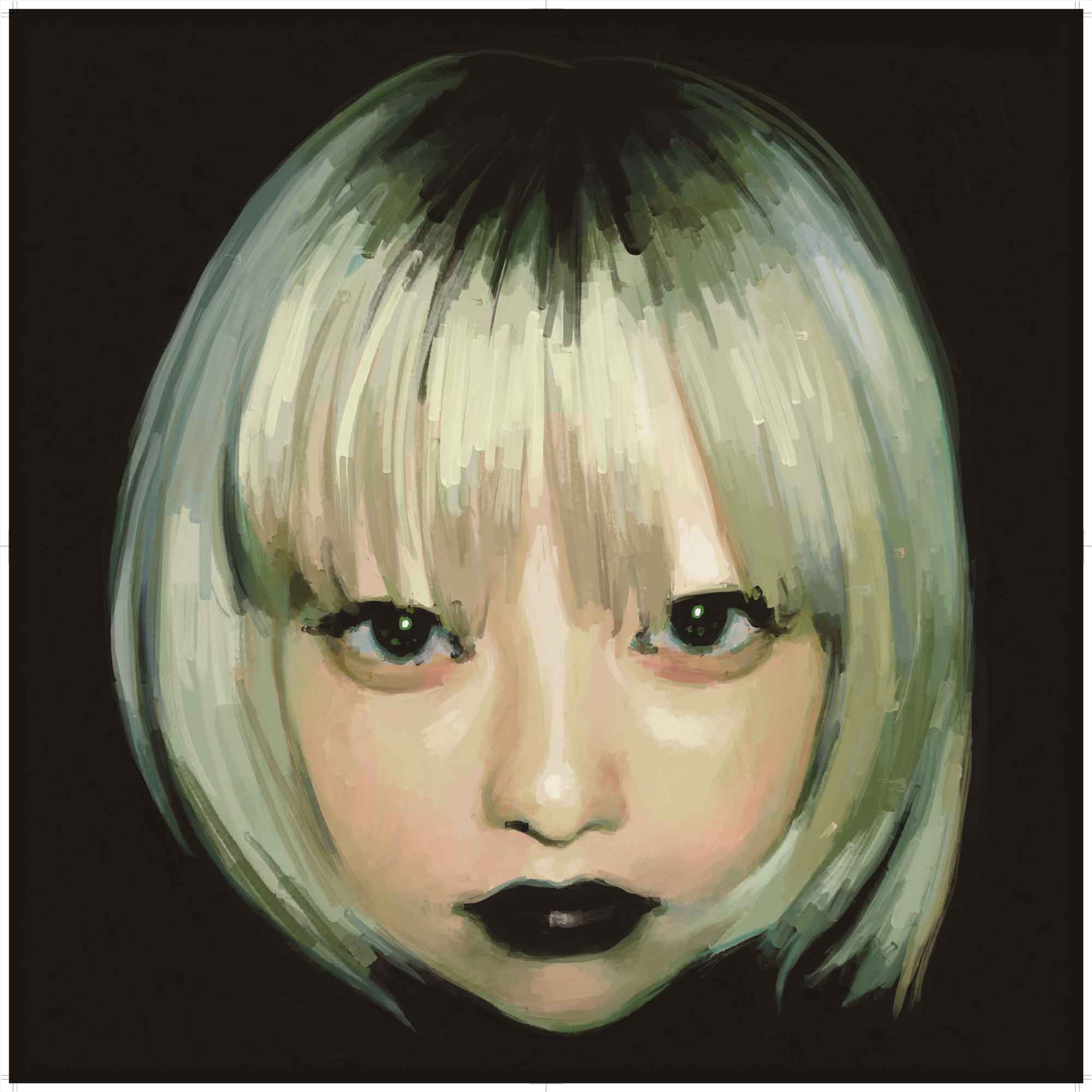
Sem título (Sr. George)
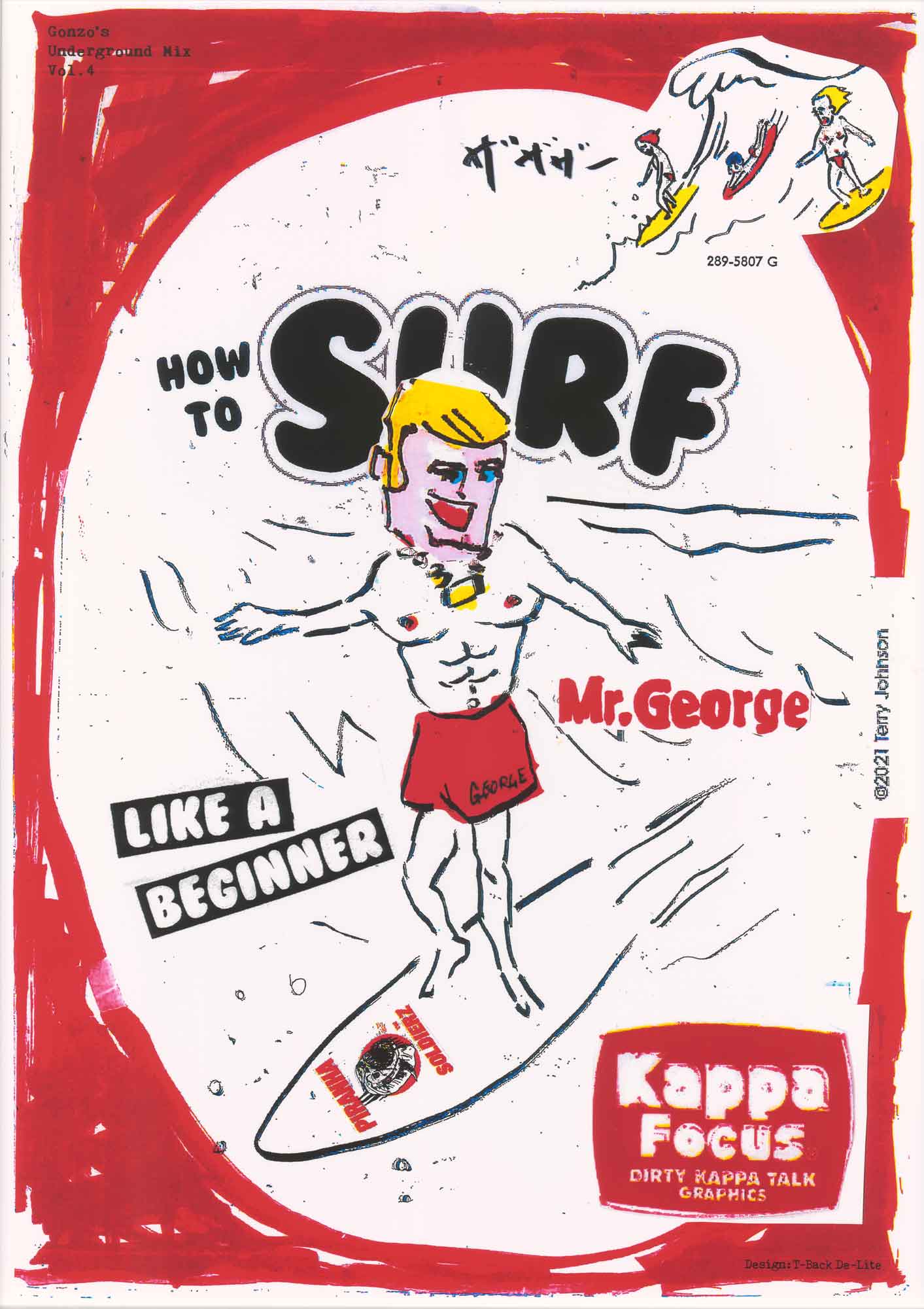
Garota de abril

Accessible JHSP
Exclusively in São Paulo, the exhibition will feature accessibility features such as audio descriptions, sign language, and tactile elements developed exclusively for 12 of the works being presented. The initiative is part of Accessible JHSP, a program aimed at creating equal opportunities for everyone to fully immerse themselves in the content presented at the institution.





Avenida Paulista, 52
Bela Vista – São Paulo / SP
Tel.: +55 11 3149-5187
Tuesday to Friday | from 10:00 AM to 6:00 PM
Saturdays, Sundays, and holidays | from 10:00 AM to 7:00 PM
Monday* | CLOSED
[email protected]
+55 11 3149.5187


