Subscribe to our newsletter
Pictograms – Iconic Japanese Designs
-
-
SHARE:
Compartilhar no Whatsapp
Compartilhar no Facebook
Compartilhar no Linkedin
exhibition coming soon
17/11/2026 - 25/04/2027

Pictograms – Iconic Japanese Designs

SHARE:
Compartilhar no Whatsapp
Compartilhar no Facebook
Compartilhar no Linkedin
exhibition coming soon
17/11/2026 - 25/04/2027

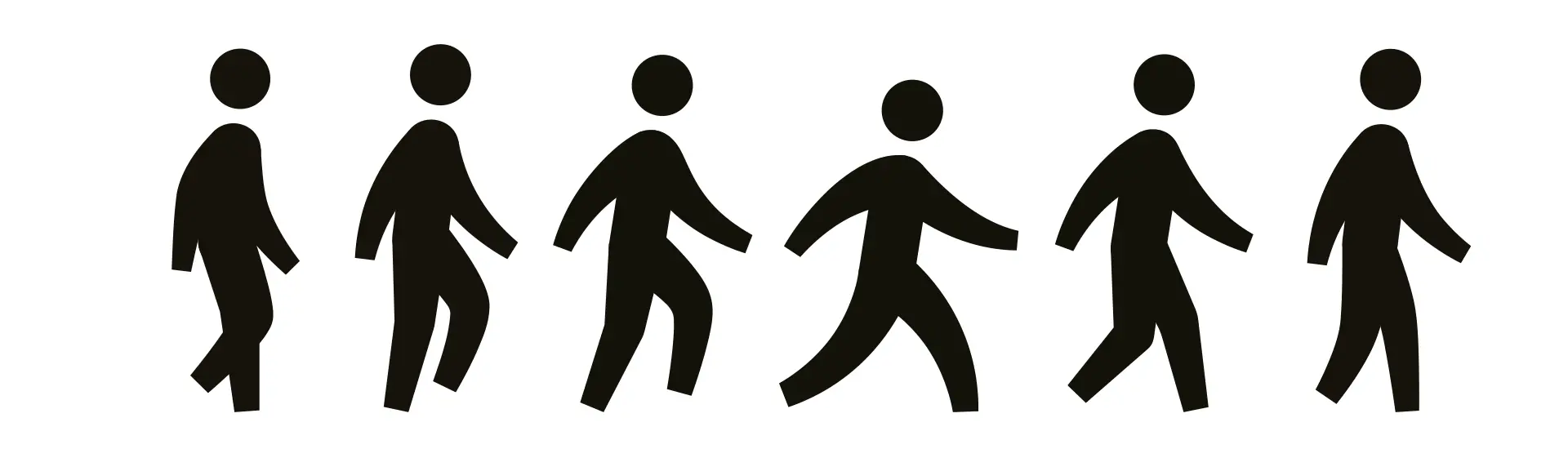
The exhibition traces the evolution of a visual language that gained international prominence at the Tokyo 1964 Olympic Games and explores the role it plays in Japan and around the world.

Os pictogramas no cotidiano mundial

Found on road signs, maps, signage in public spaces and even in digital communication through emojis, pictograms are part of everyday life, conveying ideas and information visually. Exploring the history and possibilities of this visual communication, ‘Pictograms – Iconic Japanese Designs’ makes its Brazilian debut.

OVERCOMING CULTURAL AND LINGUISTIC BARRIERS

Conceived and designed by Daigo Daikoku, art director at Nippon Design Center’s Design Lab, the exhibition traces the history of pictograms, looks at their place in everyday life and highlights initiatives from Japan that helped bring them into widespread use. It also considers what the future might hold for visual communication. Following presentations at Japan House London and Japan House Los Angeles, the traveling exhibition comes to Japan House São Paulo. 

“Japanese design is widely admired for its beauty, creativity, and attention to detail. Pictograms bring these qualities together in a simple, compact form. Their shapes must communicate meaning at a glance, across languages and cultures. With this exhibition, we hope to convey the different possibilities of design as a form of visual communication and to consider how pictograms can contribute to creating a better society,” says Daikoku, CEO of Nippon Design Center USA.

THE PICTOGRAM ACROSS FIVE ZONES

Across five zones, the exhibition explores what makes pictograms so engaging, looking at their origins, their evolution, and the process of designing them. In an interactive space, visitors are invited to create pictograms of their own. The first zone introduces pictograms and shows how they work in practice. Panels comparing examples from Tokyo, London, Los Angeles, and São Paulo reveal how their forms and functions vary with their surroundings and cultural context. Visitors can see how these symbols guide people through shared spaces, help them locate services and make information accessible to people from different backgrounds.

The second zone traces the history of pictograms, beginning with their relationship to writing systems such as ancient Egyptian hieroglyphs and Japanese kanji.  The timeline takes in Isotype, a system developed after World War I to convey information visually, along with computer icons from the 1970s and the first digital emojis, created in 1999. 

The creative process

It shows how a familiar human need, to share information directly and intuitively, has found new forms of expression as technologies and media have evolved. Among the highlights are the sports pictograms created for the Tokyo 1964 Olympic Games. A team of Japanese designers developed the symbols so people from different backgrounds and speaking different languages could recognize each sport at a glance.  A milestone in graphic design, the project laid the groundwork for the use of pictograms at international sporting events and helped shape how information is communicated visually.

The exhibition also features Experience Japan Pictograms, a project launched in 2019 by Nippon Design Center to explore how design can enrich the experience of traveling in Japan. The initiative welcomes suggestions for new pictograms from around the world. The symbols offer practical guidance while sparking curiosity, deepening understanding and encouraging travelers to explore Japan on their own.

The third zone takes a closer look at the creative process behind this visual language. Visitors follow the stages of developing a pictogram and discover how ideas can emerge from observing everyday life. The process begins with identifying what makes an object recognizable and moves through rough sketches and mind maps. Through trial and error, designers test different compositions, viewpoints, and ways of balancing the elements, refining each symbol until its meaning comes through intuitively.

My pictogram of são paulo

The fourth zone, “My Pictogram of São Paulo,” brings together 26 drawings by young Brazilians aged 7 to 17, made during workshops at JHSP in January 2026 and turned into pictograms by Nippon Design Center. The designs depict landmarks such as Sé Cathedral, the São Paulo Museum of Art (MASP), the Liberdade neighborhood, and Japan House São Paulo itself, alongside familiar flavors of the city, from the pastel sold at street markets to coffee and coxinha. Once the exhibition opens, the pictograms will be available on the official Experience Japan Pictograms website.

According to JHSP cultural director Natasha Barzaghi Geenen, “pictograms are a form of communication that transcends any language barrier and are yet another example of the incredible synthetic capacity present in Japanese culture. What is also striking is how these images do more than convey information. They reveal cultural traits, references, and different ways of seeing the places we live, bringing distinct cultural identities into focus. Each drawing in ‘My Pictogram of São Paulo’ offers a different view of the city, showing how our stories and ties to São Paulo can inspire new ways of picturing it.”

In the final zone, visitors can try their hand at creating pictograms. At a light table, they can combine different elements to make designs of their own. They can also take photos with life-size representations of a torii, a traditional Japanese gate, as well as a train and a soccer player.

JHSP Accessible program

Resources developed specifically for the exhibition include a web app, content in Brazilian Sign Language (Libras), English, Japanese and Spanish, as well as audio description and tactile pictograms.

More information:

Exhibition // Pictograms – Iconic Japanese Designs

#JapãoEmSímbolos #PictogramasNaJHSP

Period: November 17, 2026 to April 25, 2027

Location: Japan House São Paulo, ground floor – Av. Paulista, 52 – São Paulo/SP 

Opening hours: Tuesday to Friday, from 10 am to 6 pm; Saturdays, Sundays, and holidays, from 10 am to 7 pm. 

Free admission. 

ADDRESS

Avenida Paulista, 52
Bela Vista – São Paulo / SP
Tel.: +55 11 3149-5187

OPENING HOURS

Tuesday to Friday | from 10:00 AM to 6:00 PM
Saturdays, Sundays, and holidays | from 10:00 AM to 7:00 PM
Monday* | CLOSED

Contact

[email protected]
+55 11 3149.5187

© JAPAN HOUSE SÃO PAULO