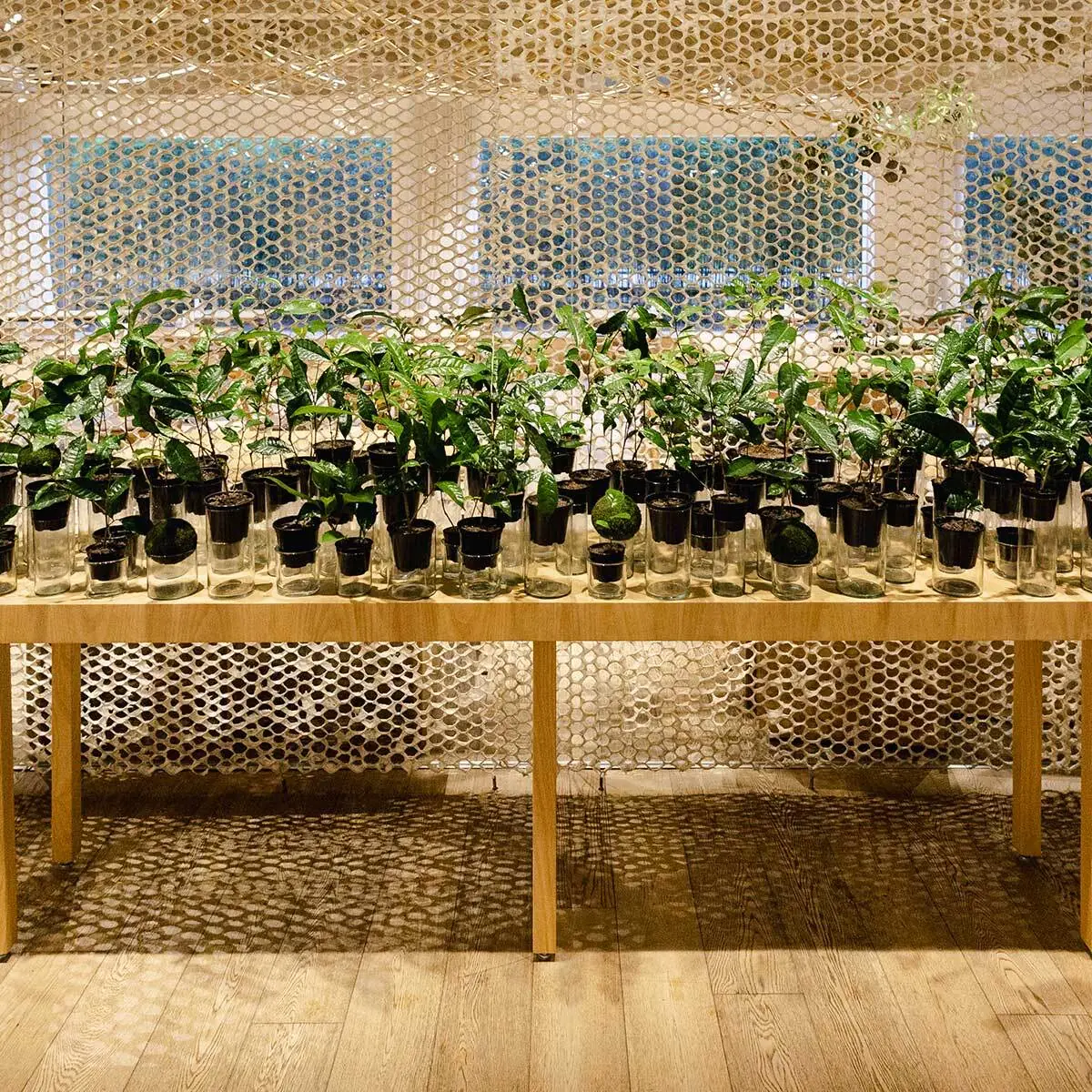
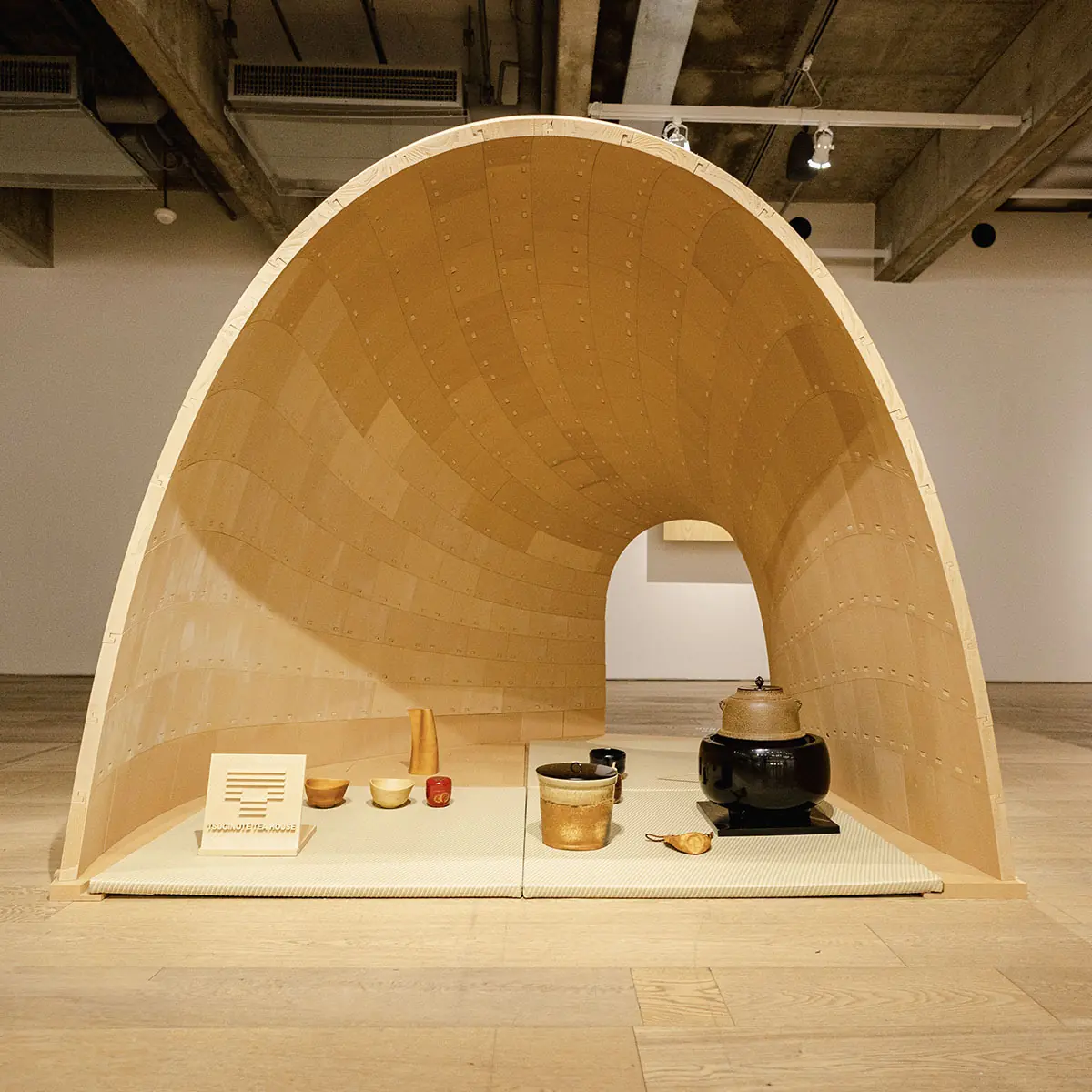
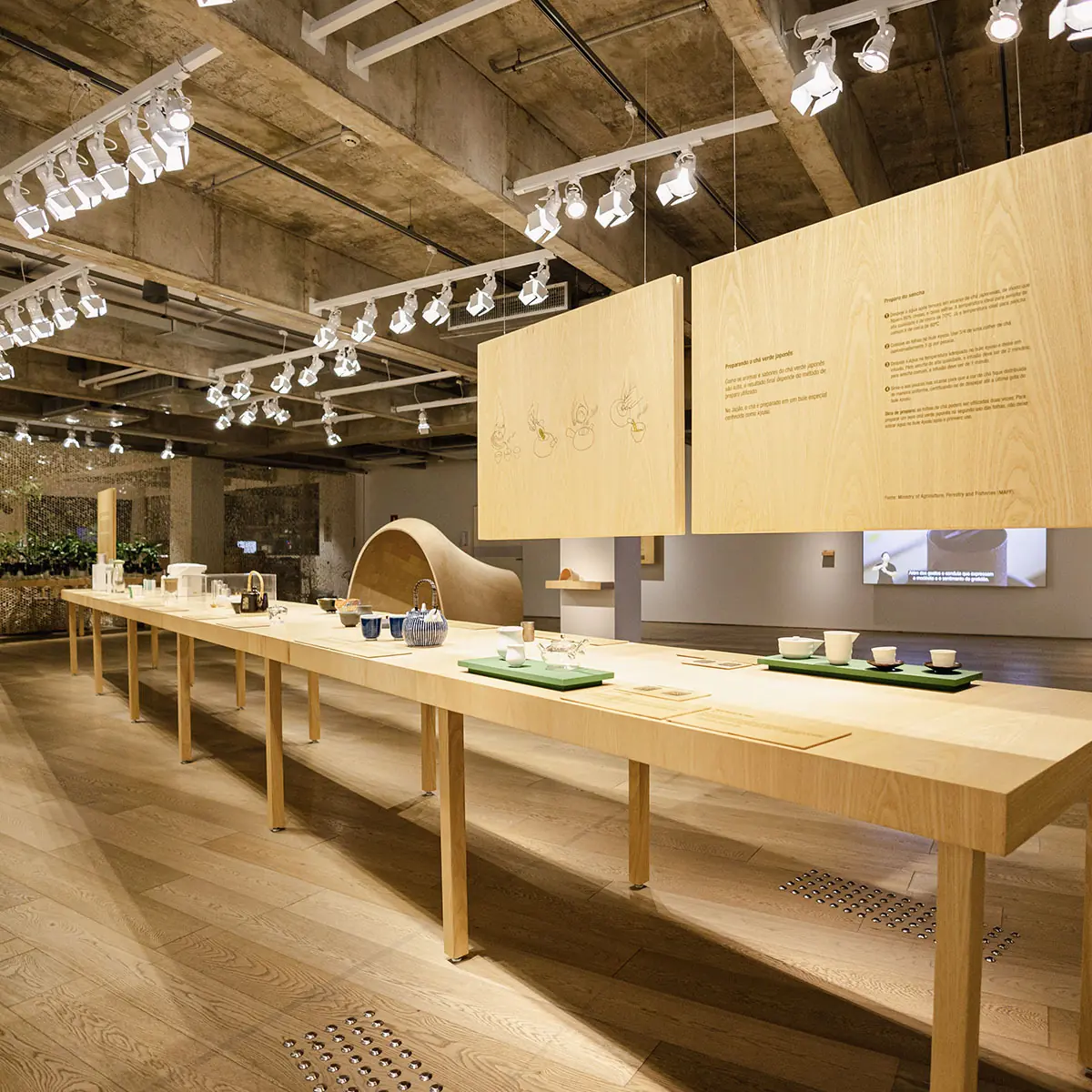
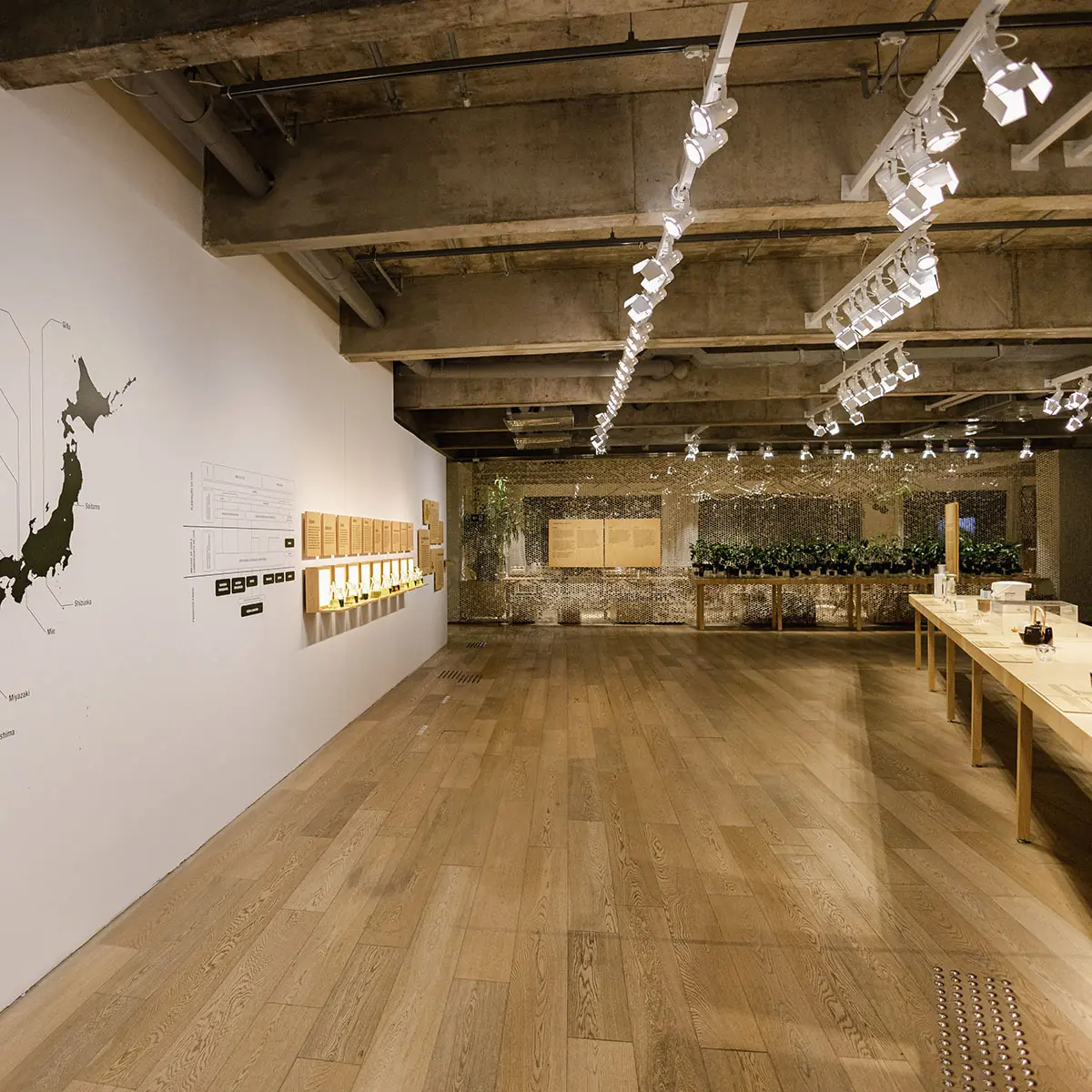
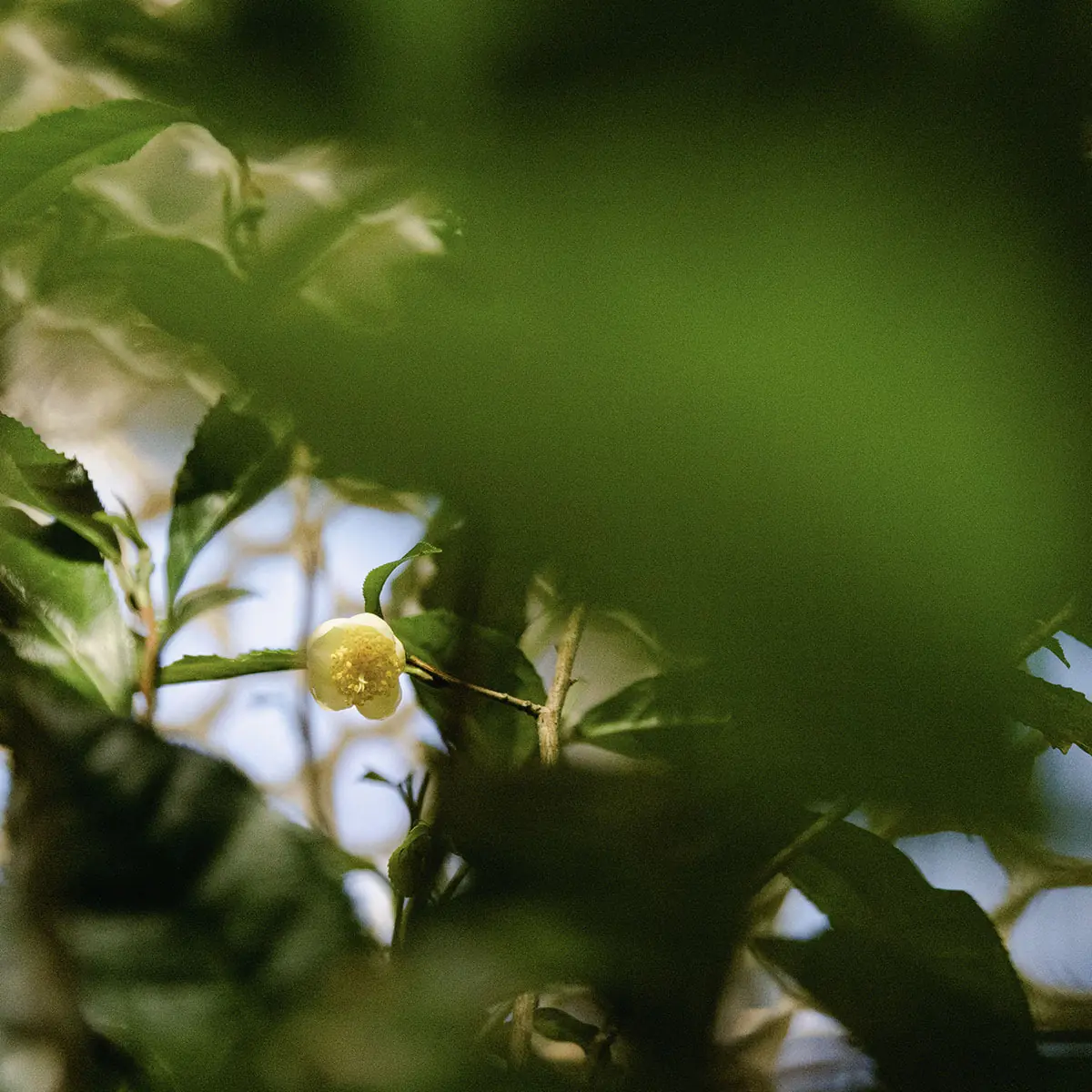
The initial segment of the exhibition delves into the intricate process of cultivating Camellia sinensis leaves, underscoring the substantial commitment and attention required from farmers. The production of tea with heightened umami – the fifth taste on the human palate – is influenced by factors such as the planting location, irrigation, sun exposure, pruning, cultivation methods, harvest timing, and processing techniques. Indeed, Camellia sinensis will take center stage in a botanical installation featured within the exhibition.
Japanese tea distinguishes itself from Chinese or English tea production methods. Following the harvest, the fresh tea leaves undergo steaming to prevent oxidation. This singular process contributes to the unique aroma, flavor, and color characteristic of Japanese tea. The leaves then are rolled and dried. During the second finishing stage, the leaves undergo sieving and cutting. Subsequently, each manufacturer employs its proprietary drying method to further intensify the aroma and flavor of the tea. This process is deemed so crucial that companies often guard it as a closely held secret.
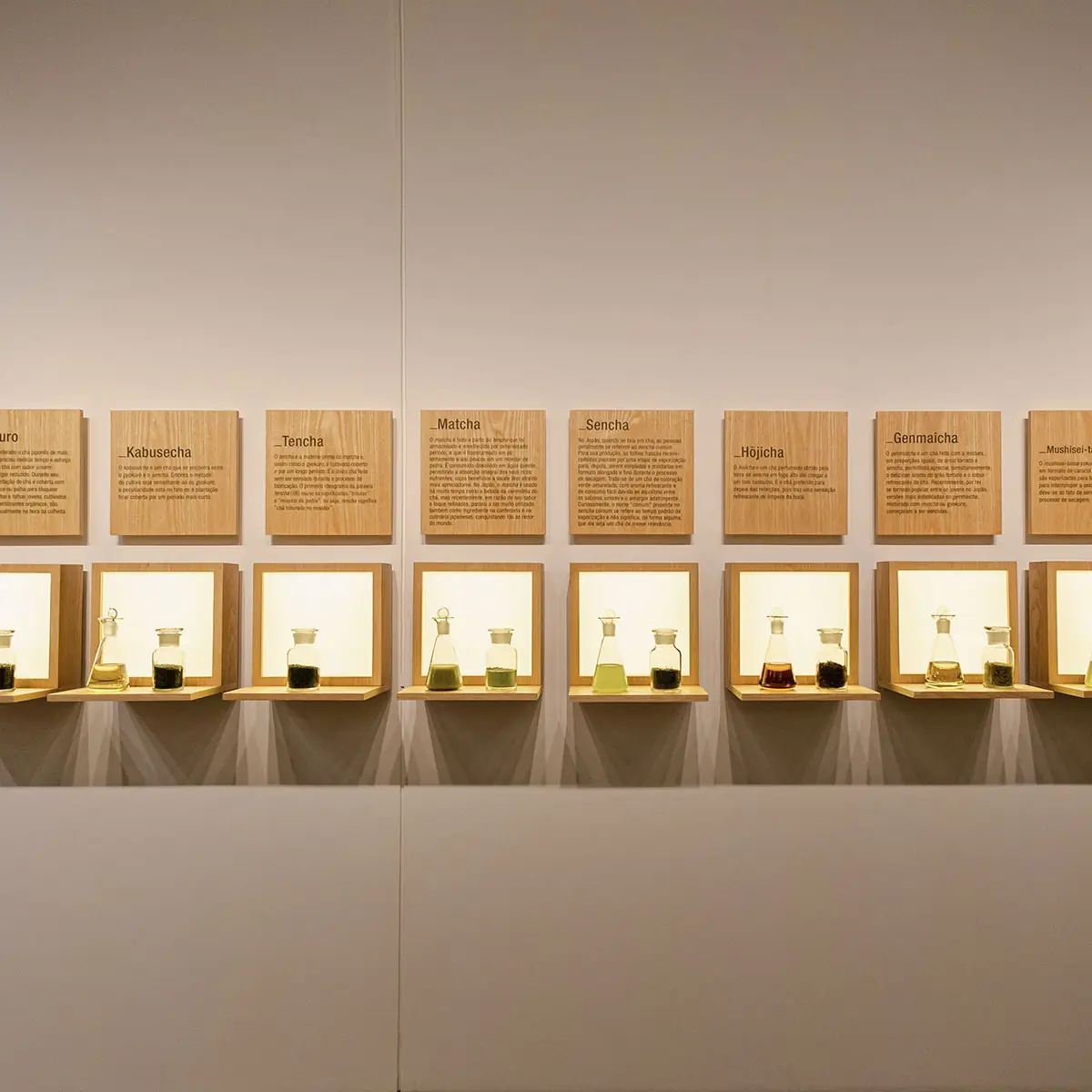
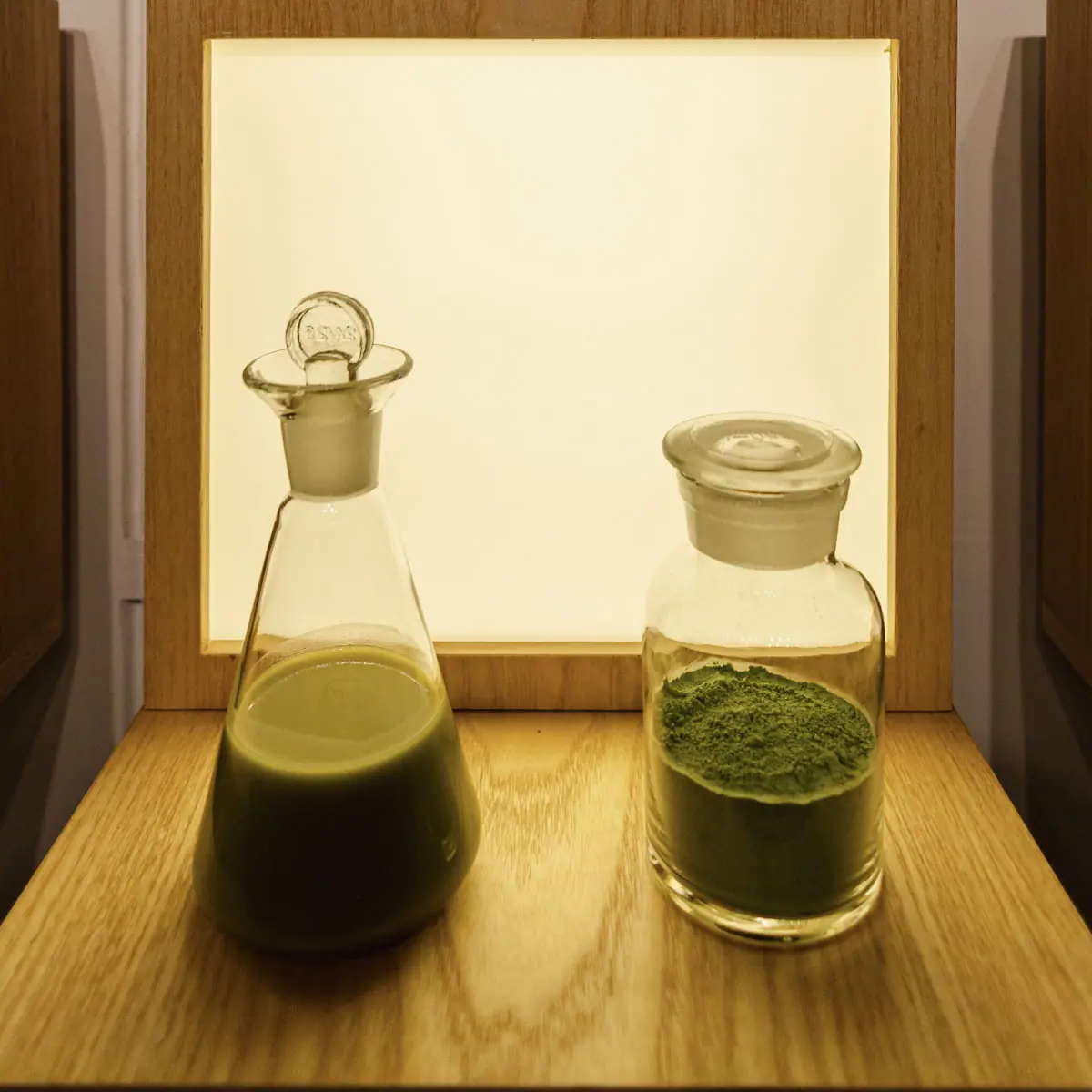
The exhibition also includes samples of nine Japanese tea varieties provided by Yamamotoyama company. Despite originating from the same plant, each variety possesses distinctive processing characteristics that lead to varied flavors.
The following varieties will be presented: Gyokuro (recognized for its highest quality green tea with a rich concentration of umami); Kabusecha (to produce this variety, the plantation is covered for a shorter period than the previous type); Sencha (the most common tea in Japan); Houjicha (obtained by roasting Sensha over high heat); Genmaicha (a blend of toasted rice and Sencha); Mushisei-tamaryokucha (steamed leaves that are not shaped straight, giving it a rounded form); Kamairisei-tamaryokucha (similar to Mushisei, but with roasted leaves); Tencha (the only tea without molded leaves, used as raw material for matcha), and, finally, widely known worldwide, Matcha (powder made from Tencha, also used in the tea ceremony).
To extend the audience’s experience beyond the exhibition, JHSP has planned various supplementary activities throughout the exhibition period. These include Japanese tea preparation workshops, special tea ceremony editions, and lectures focusing on the effects of tea. Furthermore, there will be a workshop offered in collaboration with JETRO and abChá (the Brazilian Tea Association), specifically designed for businesses.